Maranonmukha, Marana-unmukha, Maraṇōnmukha, Maraṇonmukha: 7 definitions
Introduction:
Maranonmukha means something in Hinduism, Sanskrit, Marathi, Hindi. If you want to know the exact meaning, history, etymology or English translation of this term then check out the descriptions on this page. Add your comment or reference to a book if you want to contribute to this summary article.
Alternative spellings of this word include Marnonmukh.
In Hinduism
Purana and Itihasa (epic history)
Maraṇonmukha (मरणोन्मुख) refers to an “old (Brahmin)”, according to the Śivapurāṇa 2.3.35 (“The story of Padmā and Pippalāda”).—Accordingly, as Dharma (in the guise of a king) said to Padmā (wife of sage Pippalāda): “O beautiful woman, you are Lakṣmī herself; you are charming, you are worthy of a king; you are in the very prime of youth; you will be ever young; you are a lovely sweet lady. I am telling you the truth, O slender-limbed lady. You lack lustre and colour in the presence of the sage Pippalāda who is old and weak. Cast off that ruthless old (maraṇonmukha) Brahmin always engaged in penances. Look up to me a great king, heroic in sexual dalliance and agitated by Kāma. [...]”.
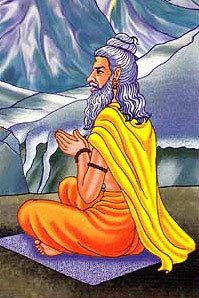
The Purana (पुराण, purāṇas) refers to Sanskrit literature preserving ancient India’s vast cultural history, including historical legends, religious ceremonies, various arts and sciences. The eighteen mahapuranas total over 400,000 shlokas (metrical couplets) and date to at least several centuries BCE.
Languages of India and abroad
Marathi-English dictionary
maraṇōnmukha (मरणोन्मुख).—a (S) That is on the point of expiring, in articulo mortis. See unmukha.
maraṇōnmukha (मरणोन्मुख).—a That is on the point of expiring.
Marathi is an Indo-European language having over 70 million native speakers people in (predominantly) Maharashtra India. Marathi, like many other Indo-Aryan languages, evolved from early forms of Prakrit, which itself is a subset of Sanskrit, one of the most ancient languages of the world.
Sanskrit dictionary
Maraṇonmukha (मरणोन्मुख).—a. on the point of death, near death, moribund.
Maraṇonmukha is a Sanskrit compound consisting of the terms maraṇa and unmukha (उन्मुख). See also (synonyms): maraṇābhimukha.
Maraṇonmukha (मरणोन्मुख):—[from maraṇa > mara] mfn. = ṇābhimukha, [Monier-Williams’ Sanskrit-English Dictionary]
Sanskrit, also spelled संस्कृतम् (saṃskṛtam), is an ancient language of India commonly seen as the grandmother of the Indo-European language family (even English!). Closely allied with Prakrit and Pali, Sanskrit is more exhaustive in both grammar and terms and has the most extensive collection of literature in the world, greatly surpassing its sister-languages Greek and Latin.
Hindi dictionary
Maraṇonmukha (मरणोन्मुख) [Also spelled marnonmukh]:—(a) dying, decaying, heading towards the end, facing imminent death; hence ~[tā] (nf).
...
Nepali dictionary
Maraṇonmukha (मरणोन्मुख):—adj. on the verge of death; near death; moribund;
Nepali is the primary language of the Nepalese people counting almost 20 million native speakers. The country of Nepal is situated in the Himalaya mountain range to the north of India.
See also (Relevant definitions)
Partial matches (+0): Unmukha, Marana.
Full-text (+0): Maranonmukh, Marnonmukh, Unmukha, Maranabhimukha.
Relevant text
Search found 1 books and stories containing Maranonmukha, Marana-unmukha, Maraṇa-unmukha, Maraṇōnmukha, Maraṇonmukha; (plurals include: Maranonmukhas, unmukhas, Maraṇōnmukhas, Maraṇonmukhas). You can also click to the full overview containing English textual excerpts. Below are direct links for the most relevant articles: