Manussa, Manu-ussa: 6 definitions
Introduction:
Manussa means something in Buddhism, Pali, Jainism, Prakrit. If you want to know the exact meaning, history, etymology or English translation of this term then check out the descriptions on this page. Add your comment or reference to a book if you want to contribute to this summary article.
Images (photo gallery)

Languages of India and abroad
Pali-English dictionary
manussa : (m.) a human being.
Manussa, (fr. manus, cp. Vedic manuṣya. Connected etym. with Goth. manna=man) a human being, man. The popular etym. connects m. with Manu(s), the ancestor of men, e.g. KhA 123: “Manuno apaccā ti manussā, porāṇā pana bhaṇanti “mana-ussannatāya manussa” ; te Jambudīpakā, Aparagoyānikā, Uttarakurukā, Pubbavidehakā ti catubbidhā. ” Similarly with the other view of connecting it with “mind” VvA. 18: “manassa ussannatāya manussā” etc. Cp. also VvA. 23, where manussa-nerayika, °peta, °tiracchāna are distinguished.—Sn. 75, 307, 333 sq. , 611 sq.; Dh. 85, 188, 197 sq. , 321; Nd1 97 (as gati), 340, 484 (°phassa of Sn. 964); Vism. 312; VbhA. 455 (var. clans); DhA. I, 364.—amanussa not human, a deva, a ghost, a spirit; in cpds. “haunted, ” ilke °kantāra J. I, 395, °ṭṭhāna Vv 843 (cp. VvA. 334 where explained); °sadda DhA. I, 315. See also separately amanussa.
manussa (မနုဿ) [(pu) (ပု)]—
[manu+ussa.kusalākusale dhamme manati jānātīti manusso.ka.671.rū.683.nīti sutta.1319.mana+ussanna.manassa ussannatāya manussā.sāgattha,2.19-2va.dī,ṭī,3.1va2.vibhāvinī.162.,ṭī.227.manu+ssa,manuno apacasabhāvena manussā.dī,ṭī,3.1va2.,4.8.]
[မနု+ဥဿ။ ကုသလာကုသလေ ဓမ္မေ မနတိ ဇာနာတီတိ မနုဿော။ ကစ္စည်း။၆၇၁။ ရူ။၆၈၃။ နီတိ သုတ္တ။ ၁၃၁၉။ မန+ဥဿန္န။ မနဿ ဥဿန္နတာယ မနုဿာ။ သာဂတ္ထ၊၂။ ၁၉-၂ဝ။ ဒီ၊ဋီ၊၃။၁ဝ၂။ ဝိဘာဝိနီ။ ၁၆၂။ ဓာန်၊ဋီ။၂၂၇။ မနု+ဿ၊ မနုနော အပစသဘာဝေန မနုဿာ။ ဒီ၊ဋီ၊၃။၁ဝ၂။ မောဂ်၊၄။၈။]
[Pali to Burmese]
manussa—
(Burmese text): လူ။ ဥပစာအားဖြင့် လူ့ဘုံ လူ့ဂတိကို အရာဌာန အားလျော်စွာ မနုဿသဒ္ဒါ ဟောသည်)။
(Auto-Translation): Humanity. According to the aphorism, it is said that humanity is the balance of the cosmic principles.
Manussa (in Pali) can be associated with the following Chinese terms:
1) 人間 [rén jiān]: “human being”.
2) Manussā (in Pali) can be associated with the following Chinese terms:
1) 人民 [rén mín]: “common people”.
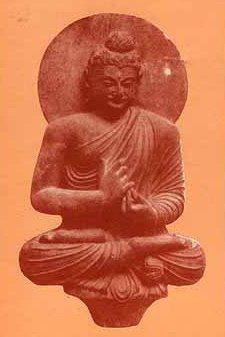
Pali is the language of the Tipiṭaka, which is the sacred canon of Theravāda Buddhism and contains much of the Buddha’s speech. Closeley related to Sanskrit, both languages are used interchangeably between religions.
Prakrit-English dictionary
1) Maṇussa (मणुस्स) in the Prakrit language is related to the Sanskrit word: Manuṣya.
Maṇussa has the following synonyms: Maṇusa.
2) Maṇussa (मणुस्स) also relates to the Sanskrit word: Mānuṣya.
3) Māṇussa (माणुस्स) also relates to the Sanskrit word: Mānuṣya.
Māṇussa has the following synonyms: Māṇussaya.
Prakrit is an ancient language closely associated with both Pali and Sanskrit. Jain literature is often composed in this language or sub-dialects, such as the Agamas and their commentaries which are written in Ardhamagadhi and Maharashtri Prakrit. The earliest extant texts can be dated to as early as the 4th century BCE although core portions might be older.
See also (Relevant definitions)
Partial matches (+0): Ma nu, Manu.
Starts with (+29): Manussaadhana, Manussaarahanta, Manussabali, Manussabhakkha, Manussabhasa, Manussabhasita, Manussabhikinna, Manussabhikkhu, Manussabhoga, Manussabhuta, Manussacamma, Manussacutipatisandhikkama, Manussadaharaka, Manussadalidda, Manussadeva, Manussadhamma, Manussadhimutta, Manussadhipati, Manussadobhagga, Manussadobhaggiya.
Full-text (+272): Makara, Amanussa, Manussabhuta, Manussatta, Manussaloka, Manussinda, Manussaubhatobyanjanaka, Manussitthi, Kapanamanussa, Manussakhadaka, Manussattabhava, Manussadhamma, Nimmanussa, Manushya, Uttarimanussa, Manussavasa, Ataviarulhamanussa, Manussakhanuka, Manussamarana, Manussamamsa.
Relevant text
Search found 30 books and stories containing Manussa, Manu-ussa, Maṇussa, Māṇussa, Manussā; (plurals include: Manussas, ussas, Maṇussas, Māṇussas, Manussās). You can also click to the full overview containing English textual excerpts. Below are direct links for the most relevant articles:
Majjhima Nikaya (Middle Discourses)
Discourse 145: Advice to Puṇṇa < [Saḷāyatana-vagga: The Chapter on the Six Senses]
Discourse 50: The Rebuke of Māra < [Cūḷayamaka-vagga: The Lesser Chapter on Pairs]
Discourse 51: With Kandaraka < [Gahapati-vagga: The Chapter on Householders]
Digha Nikaya (Long Discourses) (by Bhikkhu Sujato)
4. The Story of King Mahāvijita’s Sacrifice < [Discourse 5: With Kūṭadanta]
11. The Circle of Brahmins < [Discourse 27: The Origin of the World]
2. Ānanda’s Suggestion < [Discourse 18: With Janavasabha]
A Manual of Abhidhamma (by Nārada Thera)
Four Planes of Life < [Chapter V - Process Freed Section]
Form Sphere Consciousness < [Chapter I - Different Types of Consciousness]
Bhesajjakkhandhaka (Chapter on Medicine) (by Hin-tak Sik)
Internal Medicine (f): Headache < [Chapter 5 - Diseases and Treatments in the Chapter on Medicine]
Ophthalmology (Sālākiya) < [Chapter 5 - Diseases and Treatments in the Chapter on Medicine]
Dhammapada (Illustrated) (by Ven. Weagoda Sarada Maha Thero)
Verse 188-192 - The Story of Aggidatta < [Chapter 14 - Buddha Vagga (The Buddha)]
Verse 182 - The Story of Erakapatta the Nāga King < [Chapter 14 - Buddha Vagga (The Buddha)]
Verse 170 - The Story of Many Monks < [Chapter 13 - Loka Vagga (World)]