Manipasada, Mani-pasada, Maṇipāsāda: 4 definitions
Introduction:
Manipasada means something in Buddhism, Pali, the history of ancient India. If you want to know the exact meaning, history, etymology or English translation of this term then check out the descriptions on this page. Add your comment or reference to a book if you want to contribute to this summary article.
In Buddhism
Theravada (major branch of Buddhism)
The name given to the Lohapasada, after it had been rebuilt in seven storeys by Jetthatissa.
He offered to the building a jewel worth sixty thousand, hence its name.
The building was worth one crore (Mhv.xxxvi.125).
The Colas burnt it down, and Udaya IV. tried to rebuild it, but died before the work was completed (Cv.liii.51). This was done by Mahinda IV. Cv.liv.48.
Theravāda is a major branch of Buddhism having the the Pali canon (tipitaka) as their canonical literature, which includes the vinaya-pitaka (monastic rules), the sutta-pitaka (Buddhist sermons) and the abhidhamma-pitaka (philosophy and psychology).
India history and geography
Maṇi-pāsāda is the name of a building built by Sena I (833-853) and forms part of the Jetavanārāma temple complex situated in Anurādhapura.—The Maṇimekhala or Miṇimevulā-pāsāda or Maṇi-pāsāda or Miṇipā was built by Sena I who installed a gold Image of the Buddha in it. Sena II (853-887) added Images of Bodhisattas. In the reign of Udaya IV (946-954) the Colas destroyed the building and the king partly rebuilt it. Mahinda IV (956-972) restored it.
The Jetavanārāma complex (including Maṇi-pāsāda) was founded by Mahāsena (275-301) in the Jotivana Park on territory within the precincts of the Mahāvihāra. The king built it for the Mahāthera of Dakkhiṇa-vihāra. The Jetavanārāma monks were of the Sāgaliya sect which first established itself at Dakkhiṇa-vihāra in the year 253.
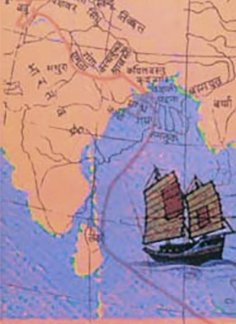
The history of India traces the identification of countries, villages, towns and other regions of India, as well as mythology, zoology, royal dynasties, rulers, tribes, local festivities and traditions and regional languages. Ancient India enjoyed religious freedom and encourages the path of Dharma, a concept common to Buddhism, Hinduism, and Jainism.
Languages of India and abroad
Pali-English dictionary
maṇipāsāda (မဏိပါသာဒ) [(pu) (ပု)]—
[maṇi+pāsāda]
[မဏိ+ပါသာဒ]
[Pali to Burmese]
maṇipāsāda—
(Burmese text): ပတ္တမြားအတိပြီးသော ပြာသာဒ်၊ ပတ္တမြားပြာသာဒ်။
(Auto-Translation): A perfect square, a perfect cube.

Pali is the language of the Tipiṭaka, which is the sacred canon of Theravāda Buddhism and contains much of the Buddha’s speech. Closeley related to Sanskrit, both languages are used interchangeably between religions.
See also (Relevant definitions)
Partial matches (+0): Pasada, Mani, Manas.
Full-text (+0): Manimekhala-pasada, Minimevula-pasada, Minipa, Jetthatissa, Lohapasada.
Relevant text
Search found 2 books and stories containing Manipasada, Mani-pasada, Maṇi-pāsāda, Maṇipāsāda; (plurals include: Manipasadas, pasadas, pāsādas, Maṇipāsādas). You can also click to the full overview containing English textual excerpts. Below are direct links for the most relevant articles:
Mahavamsa (by Wilhelm Geiger)
Historical topograhpy of ancient and medieval Ceylon (by C. W. Nicholas)