Maithuna: 20 definitions
Introduction:
Maithuna means something in Hinduism, Sanskrit, Jainism, Prakrit, the history of ancient India, Marathi, Hindi. If you want to know the exact meaning, history, etymology or English translation of this term then check out the descriptions on this page. Add your comment or reference to a book if you want to contribute to this summary article.
Alternative spellings of this word include Maithun.
In Hinduism
Shaktism
Maithuna (मैथुन) refers to “ritual intercourse”, according to the Kulapañcāśikā, an unpublished text attributed to Matsyendranātha teaching secrecy.—Accordingly, “O goddess, one who has matted hair, (or a) shaved head, is covered in ashes and, adorned with the five insignias, observes (the ascetic’s) vow and conduct, one who practices ritual intercourse [i.e., maithuna] and is dedicated to drinking as Kaulas do (vīrapāna) within my body is, O Maheśvarī, one who knows (the teachings of the) Kula and is fit by virtue of each one of these (practices) for union (with the Yoginīs). Endowed with right knowledge, O goddess, he unites (with the Yoginīs) in (each) sacred seat, field and village, if he is dedicated to the wisdom of (his) teacher”.
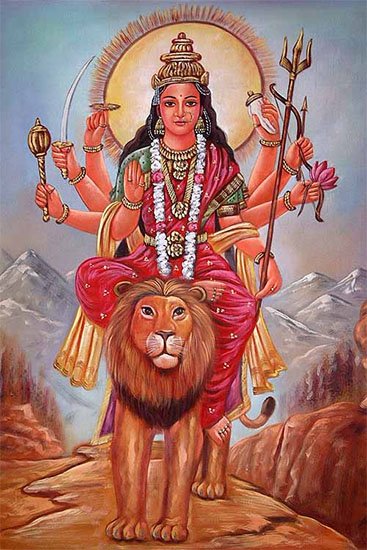
Shakta (शाक्त, śākta) or Shaktism (śāktism) represents a tradition of Hinduism where the Goddess (Devi) is revered and worshipped. Shakta literature includes a range of scriptures, including various Agamas and Tantras, although its roots may be traced back to the Vedas.
Yoga (school of philosophy)
Maithuna (मैथुन) refers to “having sex”, according to the Haṭhapradīpikā 3.90.—Accordingly, “Pure ashes, which were produced by burning cow-dung, [should first be] placed in water. After having sex (maithuna) in which Vajrolī Mudrā [was performed], the woman and man, who are sitting comfortably and have finished love making, [should] immediately smear their own bodies [with the ashes mixed with water]
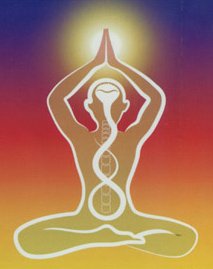
Yoga is originally considered a branch of Hindu philosophy (astika), but both ancient and modern Yoga combine the physical, mental and spiritual. Yoga teaches various physical techniques also known as āsanas (postures), used for various purposes (eg., meditation, contemplation, relaxation).
Purana and Itihasa (epic history)
Maithuna (मैथुन) refers to “copulation”, according to the Śivapurāṇa 2.5.5 (“The Tripuras are fascinated).—Accordingly, as Arihan said to the Lord of the Three Cities: “O ruler of the Asuras, listen to my statement, pregnant with wisdom. It is the essence of the Vedānta and bears high esoteric importance. [...] Just as our bodies perish when their time arrives, so also the bodies of all beings from Brahmā to a mosquito perish when their time arrives. When we consider, none of these bodies is superior to any other since in respect of taking food, copulation (maithuna), sleep and fear these are invariably the same everywhere. Taking in water and foodstuffs to the required quantity, all living beings derive a kindred satisfaction, neither more nor less. [...]”.

The Purana (पुराण, purāṇas) refers to Sanskrit literature preserving ancient India’s vast cultural history, including historical legends, religious ceremonies, various arts and sciences. The eighteen mahapuranas total over 400,000 shlokas (metrical couplets) and date to at least several centuries BCE.
In Jainism
General definition (in Jainism)
Maithuna (मैथुन, “copulation”) is twofold, relating to the vaikriya and audārika classes and the latter is again divided up into animal and human categories. Under this last head are distinguished: sva-dāra (one’s own wife or concubine), para-dāra (any woman under the authority of another man), and veśyā (a prostitute who is considered to have no owner).
Maithuna (मैथुन, “copulation”) according to the 2nd-century Tattvārthasūtra 7.15, “copulation is unchastity”. What is meant by copulation (maithuna)? It means unchaste (abrahma) or perverted conduct (kuśīla). It is also described as the desire to touch each other (opposite sex) with lust. What is meant by mithuna? The union of male and female is called mithuna. What is meant by maithuna /copulation? The indulgence of man and woman in lustful activity owing to the rise of conducts deluding karmas.
Why copulation (maithuna) is called as unchaste (abrahma)? Copulation devoid of virtues involves injury etc as he who indulges in copulation causes injury to mobile and immobile living beings as well as commits other sins. Therefore copulation is called unchaste.

Jainism is an Indian religion of Dharma whose doctrine revolves around harmlessness (ahimsa) towards every living being. The two major branches (Digambara and Svetambara) of Jainism stimulate self-control (or, shramana, ‘self-reliance’) and spiritual development through a path of peace for the soul to progess to the ultimate goal.
India history and geography
Maithuna.—(SITI), wife's brother; elder sister's husband. Note: maithuna is defined in the “Indian epigraphical glossary” as it can be found on ancient inscriptions commonly written in Sanskrit, Prakrit or Dravidian languages.

The history of India traces the identification of countries, villages, towns and other regions of India, as well as mythology, zoology, royal dynasties, rulers, tribes, local festivities and traditions and regional languages. Ancient India enjoyed religious freedom and encourages the path of Dharma, a concept common to Buddhism, Hinduism, and Jainism.
Languages of India and abroad
Marathi-English dictionary
maithuna (मैथुन).—n (S) Copulation, congressus. 2 Union, junction, association.
maithuna (मैथुन).—n Copulation. Union, association.
Marathi is an Indo-European language having over 70 million native speakers people in (predominantly) Maharashtra India. Marathi, like many other Indo-Aryan languages, evolved from early forms of Prakrit, which itself is a subset of Sanskrit, one of the most ancient languages of the world.
Sanskrit dictionary
Maithuna (मैथुन).—a. (-nī f.) [मिथुनेन निर्वृत्तम् अण् (mithunena nirvṛttam aṇ)]
1) Paired, coupled; गन्धर्वस्तादृशीरस्य मैथुन्यश्च सितासिताः (gandharvastādṛśīrasya maithunyaśca sitāsitāḥ) Bhāgavata 4.27.14.
2) United by marriage.
3) Relating to copulation.
-nam 1 Copulation, sexual union; मृतं मैथुनमप्रजम् (mṛtaṃ maithunamaprajam) Pañcatantra (Bombay) 2.98.
2) Marriage.
3) Union, connection.
4) Consecrating the fire (agnyādhāna).
Maithuna (मैथुन).—i. e. mithuna + a, I. adj. Worn at a time of sexual intercourse, [Mānavadharmaśāstra] 4, 116. Ii. n. 1. Sexual intercourse, [Hitopadeśa] pr. [distich] 25, M.M. 2. Marriage, holy union, [Mānavadharmaśāstra] 3, 5 (perhaps adj. Being in accordance with a legitimate marriage). 3. Matrimony, [Pañcatantra] ii. [distich] 101. 4. Union.
Maithuna (मैथुन).—[feminine] ī paired, coupled; relating to copulation; [neuter] copulation, marriage.
1) Maithuna (मैथुन):—mf(ī)n. ([from] mithuna) paired, coupled, forming a pair or one of each sex, [Bhāgavata-purāṇa]
2) connected by marriage, [Pāraskara-gṛhya-sūtra]
3) relating or belonging to copulation, [Kaṭha-upaniṣad; Manu-smṛti; Mahābhārata] (with bhoga m. carnal enjoyment; with dharma m. ‘sexual law’, copulation; with vāsas n. a garment worn during cop°)
4) n. (ifc. f(ā). ) copulation, sexual intercourse or union, marriage, [Śatapatha-brāhmaṇa] etc. etc. ([accusative] with √ās, i, gam, car; [dative case] with upa-√gam, or upa√kram, to have sexual intercourse)
5) n. union, connection, [cf. Lexicographers, esp. such as amarasiṃha, halāyudha, hemacandra, etc.]
Maithuna (मैथुन):—(naṃ) 1. n. Copulation; union, association; marriage.
Maithuna (मैथुन):—(von mithuna)
1) adj. f. ī a) gepaart, ein Paar verschiedenen Geschlechts bildend: gāndharvyaḥ [Bhāgavatapurāṇa 4, 27, 14.] — b) verschwägert: saṃyuktaṃ maithunaṃ vā [Pāraskara’s Gṛhyasūtrāṇi 3, 10.] — c) zur Begattung in Beziehung stehend: sparśāḥ die Gefühle der Wollust beim Beischlaf [Kaṭhopaniṣad 4, 3.] strīṇāṃ bhoge ca maithune [Manu’s Gesetzbuch 8, 100.] dārakarmaṇi maithune das mit der Begattung in Zusammenhang stehende Heirathen, dieselbe bezweckend [3, 5.] na caiṣāṃ maithuno dharmo babhūva so v. a. bei ihnen fand keine Begattung statt [Mahābhārata 12, 7255. 7257.] vāsas ein Kleidungsstück, welches man beim Beischlaf anhat, [Manu’s Gesetzbuch 4, 116.] —
2) n. Paarung, Begattung [Yāska’s Nirukta 8, 10.] [Amarakoṣa 1, 1, 5, 15. 3, 4, 18, 124. 6, 1, 4.] [Hemacandra’s Abhidhānacintāmaṇi 538.] [Anekārthasaṃgraha 3, 401.] [Medinīkoṣa Nalopākhyāna 108.] [Halāyudha 5, 52.] [ĀŚV. GṚHY. 3, 9, 6.] [The Śatapathabrāhmaṇa 10, 4, 4, 4.] [Kātyāyana’s Śrautasūtrāṇi 2, 1, 8. 25, 4, 27.] [MAITRYUP. 3, 4.] [Manu’s Gesetzbuch 5, 56.] [Mahābhārata 4, 832. 13, 1499.] [Suśruta 1, 72, 9.] [Spr. 379. 409.] krayakrīta [1743.] mṛtaṃ maithunamaprajam [?2244. 5275. WILSON, Sel. Works 1, 256. Weber’s Verzeichniss No. 903.] jvara [Mahābhārata 13, 1516.] naṃ car [Kauśika’s Sūtra zum Atuarvaveda 141.] yā [Mahābhārata 13, 4521.] gam [4570.] gata im Beischlaf begriffen [1, 3812.] gamana [Suśruta 1, 317, 4.] maithunameti [Varāhamihira’s Bṛhajjātaka S. 45, 12.] ya āste nam [Oxforder Handschriften 91,b,23.] maithunāyopacakratuḥ [Rāmāyaṇa 1, 37, 5.] maithunāyopajagmatuḥ [Rāmāyaṇa Gorresio 1, 38, 7.] vidagdhamaithunopagamana [Suśruta 1, 80, 5.] yatra maithunairedhire prajāḥ [Bhāgavatapurāṇa 3, 21, 1.] ta enaṃ lolupatayā maithunāyābhipedire [20, 23.] maithunaṃ tu samāsevya puṃsi yoṣiti vā [Manu’s Gesetzbuch 11, 174. 67.] maithunābhighāta, ati [Suśruta 1, 263, 6. 290, 12.] [Śārṅgadhara SAṂH. 1, 6, 12.] Am Ende eines adj. comp. (f. ā): saṃvṛta [Harivaṃśa 1365.] spṛṣṭamaithunā [Manu’s Gesetzbuch 8, 205.] saṃsṛṣṭa [Yājñavalkya’s Gesetzbuch 1, 135.] akṛtapuruṣāntara [Kullūka] zu [Manu’s Gesetzbuch 5, 160.] maithuna = saṃgati, saṃgata, saṃbandha Vereinigung, Verbindung [Amarakoṣa 3, 4, 18, 124.] [Hemacandra’s Anekārthasaṃgraha] [Medinīkoṣa] [Halāyudha]
Maithuna (मैथुन):——
1) Adj. (f. ī) — a) gepaart , ein Paar verschiedenen Geschlechts bildend. — b) verschwägert. — c) zur Begattung in Beziehung stehend , bei der B. stattfindend , — getragen (Kleid) , B. bezwecken. dharma m. so v.a. Begattung. —
2) n. — a) Paarung , Begattung. Am Ende eines adj. Comp. f. ā. — b) *Vereinigng , Verbindung.
Maithuna (मैथुन) in the Sanskrit language is related to the Prakrit words: Mehuṇa, Mehuṇaya.
Maithuna (in Sanskrit) can be associated with the following Chinese terms:
1) 兩交會 [liǎng jiāo huì]: “sexual intercourse”..
Sanskrit, also spelled संस्कृतम् (saṃskṛtam), is an ancient language of India commonly seen as the grandmother of the Indo-European language family (even English!). Closely allied with Prakrit and Pali, Sanskrit is more exhaustive in both grammar and terms and has the most extensive collection of literature in the world, greatly surpassing its sister-languages Greek and Latin.
Hindi dictionary
Maithuna (मैथुन) [Also spelled maithun]:—(nm) coitus, cohabitation, sexual/carnal intercourse, copulation; (a) pertaining to a couple; —[viṣayaka/saṃbaṃdhī] sexual, copulatory.
...
Kannada-English dictionary
Maithuna (ಮೈಥುನ):—
1) [noun] sexual intercourse; copulation.
2) [noun] the act of marrying; wedding; marriage.
3) [noun] union; connection.
Kannada is a Dravidian language (as opposed to the Indo-European language family) mainly spoken in the southwestern region of India.
Nepali dictionary
Maithuna (मैथुन):—n. 1. mating; copulation; sexual intercourse; coitus; 2. wedding; 3. couple; pair; 4. union; combination;
Nepali is the primary language of the Nepalese people counting almost 20 million native speakers. The country of Nepal is situated in the Himalaya mountain range to the north of India.
See also (Relevant definitions)
Starts with (+0): Maithunabhashana, Maithunabhighata, Maithunacchanda, Maithunadharma, Maithunadharmin, Maithunagamana, Maithunagata, Maithunajvara, Maithunanala, Maithunanalasiddhida, Maithunananda, Maithunanandasiddhi, Maithunasahatva, Maithunavairagya, Maittunamai, Maittunan, Maittunattolan, Maitunam.
Full-text (+72): Gudhamaithuna, Gandhamaithuna, Yatimaithuna, Maithunajvara, Yatamaithuna, Atimaithuna, Maithunadharmin, Maithunavairagya, Maithunagata, Maithunagamana, Maithunika, Pancamakara, Sprishtamaithuna, Samyatamaithuna, Asprishtamaithuna, Dyumaithuna, Samsprishtamaithuna, Gudamaithuna, Hastamaithuna, Maithunya.
Relevant text
Search found 73 books and stories containing Maithuna; (plurals include: Maithunas). You can also click to the full overview containing English textual excerpts. Below are direct links for the most relevant articles:
World Journal of Pharmaceutical Research
Brahmacharya– a conceptual analysis < [2018: Volume 7, March special issue 6]
Effect of Ashoka Twak Kwatha on leucorrhoea by various methods. < [2022: Volume 11, April issue 4]
Pathya andamp; apathya ahara-vihara for vata-vyadhi in today’s era < [2022: Volume 11, March issue 3]
Tattvartha Sutra (with commentary) (by Vijay K. Jain)
Verse 7.16 - Definition of abrahma (unchastity) < [Chapter 7 - The Five Vows]
Verse 7.1 - Classification of the (fivefold) vow (vrata) < [Chapter 7 - The Five Vows]
The Sculptures of Madan-Kamdev (Study) (by Kamal Nayan Patowary)
Part 2.6 - Aesthetic Explanation of Tantric Ideal at Madan-Kamdev < [Chapter 5 - Sculpture: The true reflector of the Society]
Part 1 - Erotic Sculpture in Concept < [Chapter 4 - Erotic Sculptures of Madan-Kamdeva]
Part 3 - Erotic Sculpture and its Development < [Chapter 4 - Erotic Sculptures of Madan-Kamdeva]
Kamashastra Discourse (Life in Ancient India) (by Nidheesh Kannan B.)
3. Tāntric Sexuality < [Chapter 5 - Looking for Alternatives: Possibilities in Kāmaśāstra]
2. Human Life: Sexuality and Spirituality < [Chapter 5 - Looking for Alternatives: Possibilities in Kāmaśāstra]
Anguttara Nikaya (Numbered Discourses)
Discourse 4.159: Bhikkhunī-sutta < [Indriya-vagga: Faculties]
Discourse 7.50: Methuna-sutta < [Mahāyañña-vagga: a Great Sacrifice]
Discourse 4.50: Upakkilesa-sutta < [Rohitassa-vagga: The Chapter with Rohitassa]