Laukikadharma, Laukika-dharma: 2 definitions
Introduction:
Laukikadharma means something in Buddhism, Pali, Hinduism, Sanskrit. If you want to know the exact meaning, history, etymology or English translation of this term then check out the descriptions on this page. Add your comment or reference to a book if you want to contribute to this summary article.
In Hinduism
Shaivism (Shaiva philosophy)
Source: Brill: Śaivism and the Tantric TraditionsLaukikadharma (लौकिकधर्म) refers to one of the two types of the Bhuktidīkṣā type of Initiation (dīkṣā), according to Kṣemarāja’s commentary on the Netratantra 4.1:—Accordingly, “The bhuktidīkṣā for the Sādhaka is divided into the śivadharma and laukikadharma kind”.
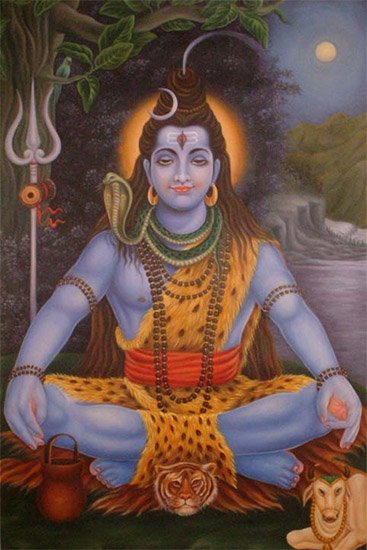
Shaiva (शैव, śaiva) or Shaivism (śaivism) represents a tradition of Hinduism worshiping Shiva as the supreme being. Closely related to Shaktism, Shaiva literature includes a range of scriptures, including Tantras, while the root of this tradition may be traced back to the ancient Vedas.
In Buddhism
Mahayana (major branch of Buddhism)
Source: academia.edu: A Study and Translation of the GaganagañjaparipṛcchāLaukikadharma (लौकिकधर्म) refers to “mundane dharma”, according to the Gaganagañjaparipṛcchā: the eighth chapter of the Mahāsaṃnipāta (a collection of Mahāyāna Buddhist Sūtras).—Accordingly, “How then, son of good family, is the Bodhisattva supported by the presence of the Buddha as unhindered and uninterrupted eloquence (pratibhāna)? Son of good family, there are the Bodhisattvas’ twenty-four sorts of eloquence. What are those twenty-four? [...] 18) eloquence adorned with the congregations of gods; 19) eloquence of cutting off all doubts; 20) eloquence of the mundane (laukika) and transcendental (lokottara) dharma; [...]”.
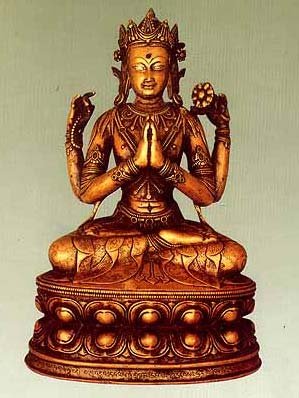
Mahayana (महायान, mahāyāna) is a major branch of Buddhism focusing on the path of a Bodhisattva (spiritual aspirants/ enlightened beings). Extant literature is vast and primarely composed in the Sanskrit language. There are many sūtras of which some of the earliest are the various Prajñāpāramitā sūtras.
See also (Relevant definitions)
Partial matches: Dharma, Laukika, Tarma.
Full-text: Bhuktidiksha, Shivadharma.
Relevant text
Search found 1 books and stories containing Laukikadharma, Laukika-dharma; (plurals include: Laukikadharmas, dharmas). You can also click to the full overview containing English textual excerpts. Below are direct links for the most relevant articles:
Maha Prajnaparamita Sastra (by Gelongma Karma Migme Chödrön)
V. Loving-kindness and Compassion are pure among the Buddhas < [Chapter XLII - The Great Loving-kindness and the Great Compassion of the Buddhas]
2. Multiple natures < [Part 4 - Understanding identical and multiple natures]
IV. How do we know that the Buddha is fearless? < [Part 1 - The four fearlessnesses of the Buddha according to the Abhidharma]