Kutu, Kutū, Kǔ tú, Ku tu, Kǔ tǔ: 13 definitions
Introduction:
Kutu means something in Hinduism, Sanskrit, the history of ancient India, biology, Tamil. If you want to know the exact meaning, history, etymology or English translation of this term then check out the descriptions on this page. Add your comment or reference to a book if you want to contribute to this summary article.
Images (photo gallery)


India history and geography
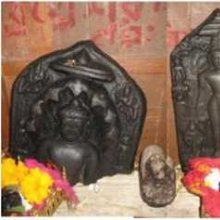
Kutu-bahi (in Sanskrit: Śukravarṇa-mahāvihāra) is the name of a Bahī (i.e., a sacred courtyard in the Newari community where Buddhist priests reside) situated in the Bhaktapur region of the “Nepal Mandala” (popularly known as the “valley of Kathmandu”). These Vihāras, Bāhās and Bahīs were, and still are, the centre for Buddhist activities and also dwelling place of the monks or monastics. For example, the Kutu-bahi, which is known in Sanskrit as Śukravarṇa-mahāvihāra. These monstaries, courtyards and other buildings possess a central place in Nepalese/Newar Buddhism and were mostly situated within the vicinity of the three cities of Kathmandu (northwest), Patan (Lalitpur) (south) and Bhaktapur (east).

The history of India traces the identification of countries, villages, towns and other regions of India, as well as mythology, zoology, royal dynasties, rulers, tribes, local festivities and traditions and regional languages. Ancient India enjoyed religious freedom and encourages the path of Dharma, a concept common to Buddhism, Hinduism, and Jainism.
Biology (plants and animals)
Kutu in India is the name of a plant defined with Cinnamomum pauciflorum in various botanical sources. This page contains potential references in Ayurveda, modern medicine, and other folk traditions or local practices It has the synonym Laurus recurvata Roxb. ex Wall. (among others).
Example references for further research on medicinal uses or toxicity (see latin names for full list):
· Flora Indica (1832)
· Acta Phytotaxonomica Sinica (1984)
· Flora Sichuanica (1981)
· Acta Sci. Nat. Univ. Sunyatseni (1959)
· Icones Plantarum Indiae Orientalis (1839)
· Plantae Asiaticae Rariores (1831)
If you are looking for specific details regarding Kutu, for example side effects, chemical composition, diet and recipes, extract dosage, health benefits, pregnancy safety, have a look at these references.

This sections includes definitions from the five kingdoms of living things: Animals, Plants, Fungi, Protists and Monera. It will include both the official binomial nomenclature (scientific names usually in Latin) as well as regional spellings and variants.
Languages of India and abroad
Sanskrit dictionary
Kutū (कुतू).—f. A small leathern bottle for oil.
-paḥ 1 The eighth Muhūrta of the day.
2) = कुतप (kutapa) 12 q. v.
Derivable forms: kutūḥ (कुतूः).
See also (synonyms): kutupa.
Kutū (कुतू).—f.
(-tūḥ) A leathern oil bottle. E. ku bad, and tan to spread, ḍu affix, and the final lengthened.
Kutū (कुतू):—[from kutupa] f. a leathern oil-bottle, [Pāṇini 5-3, 89.]
Kutū (कुतू):—(tūḥ) 3. f. A leathern oil bottle.
Kutū (कुतू):—f. Oelschlauch [Pāṇini’s acht Bücher 5, 3, 89.] [Amarakoṣa 2, 9, 33.] [Hemacandra’s Abhidhānacintāmaṇi 1025.]
Kutū (कुतू):—f. Oelschlauch.
Sanskrit, also spelled संस्कृतम् (saṃskṛtam), is an ancient language of India commonly seen as the grandmother of the Indo-European language family (even English!). Closely allied with Prakrit and Pali, Sanskrit is more exhaustive in both grammar and terms and has the most extensive collection of literature in the world, greatly surpassing its sister-languages Greek and Latin.
Kannada-English dictionary
Kuṭu (ಕುಟು):—[noun] a sound imitating the sound made while biting a hard eatable.
--- OR ---
Kutu (ಕುತು):—[noun] a leather bag for carrying oil or other liquid.
--- OR ---
Kūṭu (ಕೂಟು):—
1) [noun] a gathering of people, esp. to discuss or decide on matters; the act or an instance of this; a meeting.
2) [noun] an association of people; a body organisation of such an association.
3) [noun] a place where two or more roads meet or intersect.
4) [noun] any of the joints of the body or a joint between two beams.
5) [noun] sexual union; copulation.
6) [noun] a liquid food made using different vegetables.
--- OR ---
Kūtu (ಕೂತು):—[noun] ಕೂತ [kuta].
Kannada is a Dravidian language (as opposed to the Indo-European language family) mainly spoken in the southwestern region of India.
Tamil dictionary
Kuṭu (குடு) noun cf. guḍala. Toddy, fermented liquor; கள். (அகராதி நிகண்டு) [kal. (agarathi nigandu)]
--- OR ---
Kūṭu (கூடு) [kūṭutal] 5 verb [Telugu: K. Travancore usage kūḍu, M. kūṭu.] intransitive
1. To come together, join, meet; to become one, as rivers; ஒன்றுசேர்தல். அங்கைமலர் கூடத் தலைமேற் குவித்தருளி. [onruserthal. angaimalar kudath thalaimer kuvitharuli.]
2. To collect, crowd together, assemble, congregate, muster; திரளு தல். கூடிய வண்டினங்காள் [thiralu thal. kudiya vandinangal] (நாலாயிர திவ்யப்பிரபந்தம் திருவாய்மொழி [nalayira thivyappirapandam thiruvaymozhi] 6, 8, 3).
3. To combine, coalesce, reunite, as broken bones; பத்துப்பாட்டு: பொருநராற்றுப்படை்துதல். (திவா.) [porunthuthal. (thiva.)]
4. To be available; கிடைத்தல். உவமை யிவ்வுலகிற் கூடுமோ [kidaithal. uvamai yivvulagir kudumo] (கம்பராமாயணம் உருக்கா. [kambaramayanam urukka.] 44).
5. To be possible, practicable, attainable; இயலுதல். ஈவது கூடாவெல்லை [iyaluthal. ivathu kudavellai] (கந்தபு. மேரு. [kanthapu. meru.] 20).
6. To come to pass, to happen; நேரிடுதல். திருவாறன்விளை கைதொழுக் கூடுங்கொலோ [neriduthal. thiruvaranvilai kaithozhug kudungolo] (நாலாயிர திவ்யப்பிரபந்தம் திருவாய்மொழி [nalayira thivyappirapandam thiruvaymozhi] 7, 10, 3).
7. To become reconciled, pacified, conciliated; இணங் குதல். [inang kuthal.]
8. To be fit, suitable, appropriate, proper, decent, expedient; தகுதியால். [thaguthiyal.]
9. To accumulate; to be hoarded, stored up; தொகைசேர்தல். [thogaiserthal.]
10. To abound, swell, increase; மிகுதியாதல். உள்ளங் கூடின துயரம் [miguthiyathal. ullang kudina thuyaram] (கந்தபு. காமத. [kanthapu. kamatha.] 97).
11. To commence, begin; தொடங்குதல். [thodanguthal.] (W.)
12. To be achieved; கைகூடுதல். [kaiguduthal.]
13. To agree, consent; உடன்படுதல். கொன்றிடக் கூடாதுள்ளம் [udanpaduthal. konridag kudathullam] (திருவாலவாயுடையார் திருவிளையாடற் [thiruvalavayudaiyar thiruvilaiyadar] 1, 15). — transitive
1. To associate or befriend; சிநேகித்தல். கூடிப்பிரியேல் (ஆத்திசூடி). [sinegithal. kudippiriyel (athisudi).]
2. To cohabit; புணர்தல். கொம்மைத்துணை மென்முலை யண் ணலைக்கூட [punarthal. kommaithunai menmulai yan nalaikkuda] (கந்தபு. மகாசாத். [kanthapu. magasath.] 17).
3. To reach, arrive at; அடைதல். நகரங் கூடினான் [adaithal. nagarang kudinan] (பிரமோத்தரகாண்டம் [piramotharagandam] 13, 64).
--- OR ---
Kūṭu (கூடு) noun < கூடு-. [kudu-.] [Telugu: K. Travancore usage gūḍu, M. kūḍu.]
1. Nest, bird-cage, coop, hive, cocoon, shell of a testaceous animal; பறவை முதலியவற் றின் கூடு. (திவா.) [paravai muthaliyavar rin kudu. (thiva.)]
2. Pen, sty, kennel, cage for animals; விலங்குக்கூடு. கூடார் புலியும் [vilangukkudu. kudar puliyum] (சீவகசிந்தாமணி [sivagasindamani] 2328).
3. Receptacle for grain; நெற்கூடு. கூடு கெழீஇய குடிவயினான் [nerkudu. kudu kezhiiya kudivayinan] (பத்துப்பாட்டு: பொருநராற்றுப்படை [pathuppattu: porunararruppadai] 182).
4. Hollow, globular or prismatical case, as a balloon, as the lamp of a light-house; உருண்டு திரண்டு கூடுபோலுள் ளது. [urundu thirandu kudupolul lathu.]
5. (Architecture) Dome, cupola; கட்டடத்தின் ஸ்தூபி. [kattadathin sthupi.]
6. Quiver, sheath, case, envelope; ஆயு தம் முதலியவற்றின் உறை. கோறுவக்குங் கூடு குறைத்த கொடுமதனை [ayu tham muthaliyavarrin urai. koruvakkung kudu kuraitha kodumathanai] (சிவப். பிர. வெங்கைக்கலம். [sivap. pira. vengaikkalam.] 93).
7. Small receptacle, as an inkstand; மைக்கூடு. [maikkudu.]
8. Covering or top of a cart; வண்டிக்கூடு. [vandikkudu.]
9. Top of the drill for boring holes; துரப்பணக் கூடு. [thurappanag kudu.]
10. [K. gūḍe, M. kūḍa.] Basket for catching fish; மீன்பறி. [minpari.]
11. Witness-box; சாட்சிக்கூடு. [sadsikkudu.]
12. Mortise, groove, in carpentry; கழுந்துக்கூடு. [kazhunthukkudu.] (W.)
13. Body, as the sheath encasing the soul; உடம்பு. கூட்டைவிட்டுயிர் போவ தன் முன்னமே [udambu. kuttaivittuyir pova than munname] (தேவாரம் [thevaram] 376, 2).
--- OR ---
Kūṭu (கூடு) noun < கூடு-. [kudu-.] Stomach; வயிறு. உண்டுழியெங் கூடாரப்போதுங்கொல் [vayiru. unduzhiyeng kudarappothungol] (கலிங்கத்துப்பரணி [kalingathupparani] 217).
Tamil is an ancient language of India from the Dravidian family spoken by roughly 250 million people mainly in southern India and Sri Lanka.
Nepali dictionary
Kuṭu (कुटु):—n. the plant/grain of buckwheat;
Nepali is the primary language of the Nepalese people counting almost 20 million native speakers. The country of Nepal is situated in the Himalaya mountain range to the north of India.
Chinese-English dictionary
[The following represents an unverified English translation. For all purposes consult the original Chinese text.]
苦荼 [kǔ tú] [ku tu]—
1. Tea (茶 [cha]). From Erya (《爾雅 [er ya]》), "Explaining Trees" (釋木 [shi mu]): "Jia (檟 [jia]), bitter tu." Song Dynasty (宋 [song]), Xing Bing's (邢昺 [xing bing]) Commentary (疏 [shu]): "The tree is small, resembling a gardenia (梔子 [zhi zi]), grows leaves in winter, and can be boiled to make a soup-like drink. What is picked early is now called tu (荼 [tu]), and what is picked later is called ming (茗 [ming])."
2. Another name for bitter vegetable (苦菜 [ku cai]). See the entry for "bitter vegetable" (苦菜 [ku cai]).
苦荼:1.茶。《爾雅.釋木》:「檟,苦荼。」宋.邢昺.疏:「樹小似梔子,冬生葉,可煮作羹飲。今呼早采者為荼,晚取者為茗。」
2.苦菜的別稱。參見「苦菜」條。
kǔ tú:1. chá. < ěr yǎ. shì mù>: “jiǎ, kǔ tú.” sòng. xíng bǐng. shū: “shù xiǎo shì zhī zi, dōng shēng yè, kě zhǔ zuò gēng yǐn. jīn hū zǎo cǎi zhě wèi tú, wǎn qǔ zhě wèi míng.”
2. kǔ cài de bié chēng. cān jiàn “kǔ cài” tiáo.
ku tu:1. cha. < er ya. shi mu>: "jia, ku tu." song. xing bing. shu: "shu xiao shi zhi zi, dong sheng ye, ke zhu zuo geng yin. jin hu zao cai zhe wei tu, wan qu zhe wei ming."
2. ku cai de bie cheng. can jian "ku cai" tiao.
[The following represents an unverified English translation. For all purposes consult the original Chinese text.]
苦土 [kǔ tǔ] [ku tu]—
Magnesium oxide (氧化鎂 [yang hua mei]). A white powder that does not melt even when heated, becomes glass-like (玻璃狀 [bo li zhuang]) after cooling, is highly heat-resistant (耐熱強 [nai re qiang]), and can be used for medicinal (醫藥用 [yi yao yong]) purposes and in the manufacture of the interiors of pots (鍋子 [guo zi]) and electric furnaces (電爐 [dian lu]).
苦土:氧化鎂。一種加熱亦不會熔化的白色粉末,冷卻後如玻璃狀,耐熱強,可作醫藥用及製作鍋子及電爐的內部。
kǔ tǔ: yǎng huà měi. yī zhǒng jiā rè yì bù huì róng huà de bái sè fěn mò, lěng què hòu rú bō lí zhuàng, nài rè qiáng, kě zuò yī yào yòng jí zhì zuò guō zi jí diàn lú de nèi bù.
ku tu: yang hua mei. yi zhong jia re yi bu hui rong hua de bai se fen mo, leng que hou ru bo li zhuang, nai re qiang, ke zuo yi yao yong ji zhi zuo guo zi ji dian lu de nei bu.
Chinese language.
See also (Relevant definitions)
Partial matches (+0): Ku, Jue, Tu.
Starts with (+19): Kutu-kutuppaikaran, Kutu-vaymulai, Kutu-vittu-kutupaytal, Kutub, Kutubanuma, Kutubara, Kutubi, Kutubnuma, Kutugeri, Kutuhal, Kutuhala, Kutuhala pandita, Kutuhalajata, Kutuhalakara, Kutuhalakrit, Kutuhalamangala, Kutuhalappavatti, Kutuhalartha, Kutuhalasamanvita, Kutuhalashala.
Full-text (+183): Kutuhala, Kutuhalin, Kutupa, Kutuka, Kutu-vittu-kutupaytal, Kudu, Ucikkutu, Elumpukkutu, Tenkaykkutu, Kuruvikkutu, Muyalinkutu, Kutu-vaymulai, Tintakkutu, Irakukkutu, Ampukkutu, Putu-muyarkutu, Akappaikkutu, Tirantakutu, Vaytarkutu, Olaikkutu.
Relevant text
Search found 54 books and stories containing Kutu, Koodu, Kǔ tú, Ku tu, Kǔ tǔ, Kudu, Kutū, Kuṭu, Kūṭu, Kūtu, Kǔtú, Kǔtǔ, 苦土, 苦荼; (plurals include: Kutus, Koodus, Kǔ tús, Ku tus, Kǔ tǔs, Kudus, Kutūs, Kuṭus, Kūṭus, Kūtus, Kǔtús, Kǔtǔs). You can also click to the full overview containing English textual excerpts. Below are direct links for the most relevant articles:
Tirumantiram by Tirumular (English translation)
Verse 3010: All Emanate From Him Alone < [Tantra Nine (onpatam tantiram) (verses 2649-3047)]
Verse 414: Sadasiva is in the Heart of Even Those Who Doubt Him < [Tantra Two (irantam tantiram) (verses 337-548)]
Verse 2852: Jnanis Are Unconcerned < [Tantra Nine (onpatam tantiram) (verses 2649-3047)]
108 Tirupathi Anthathi (English translation) (by Sri Varadachari Sadagopan)
Kappu verse 5 (Namaskaras to Svami Parasara Bhattar)
Onderstepoort Journal of Veterinary Research
Parasites of South African wildlife. XIX. The prevalence of helminths in some... < [Vol 78, No 1 (2011)]
A retrospective study of anthrax on the Ghaap Plateau, Northern Cape province... < [Vol 84, No 1 (2017)]
Ticks associated with the three largest wild ruminant species in Southern Africa < [Vol 74, No 3 (2007)]
Dictionaries of Indian languages (Kosha)
Page 227 < [Tamil-English-Bengali (1 volume)]
Page 187 < [Tamil-English-Malayalam (1 volume)]
Page 499 < [Tamil-Hindi-English, Volume 1]
Later Chola Temples (by S. R. Balasubrahmanyam)
Appendix: The Kudu Ornamentation
Temples in Melakkadambur < [Chapter II - Temples of Kulottunga I’s Time]
Temples in Appakkam < [Chapter X - Temples of Rajadhjraja II’s Time]
The Kudu Kudu Pandi < [July – September, 1982]
The Golden Age of Hindu-Javanese Art < [September-October 1932]