Krishnatirtha, Kṛṣṇatīrtha, Krishna-tirtha: 6 definitions
Introduction:
Krishnatirtha means something in Hinduism, Sanskrit. If you want to know the exact meaning, history, etymology or English translation of this term then check out the descriptions on this page. Add your comment or reference to a book if you want to contribute to this summary article.
The Sanskrit term Kṛṣṇatīrtha can be transliterated into English as Krsnatirtha or Krishnatirtha, using the IAST transliteration scheme (?).
In Hinduism
Purana and Itihasa (epic history)
Kṛṣṇatīrtha (कृष्णतीर्थ).—Sacred to Pitṛs.*
- * Matsya-purāṇa 22. 38.
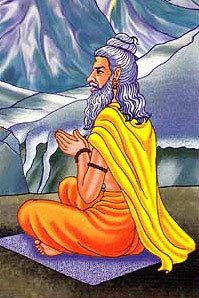
The Purana (पुराण, purāṇas) refers to Sanskrit literature preserving ancient India’s vast cultural history, including historical legends, religious ceremonies, various arts and sciences. The eighteen mahapuranas total over 400,000 shlokas (metrical couplets) and date to at least several centuries BCE.
Shaivism
Kṛṣṇatīrtha (कृष्णतीर्थ) is the name of a Tīrtha (sacred bathing place) that is associated with the Nārāyaṇeśvara Liṅga (symbolical manifestation of Śiva). This place represents the thirty-third of the sixty-four siddhaliṅgas mentioned in the Nepalese Tyasaphu (a folding book or leporello). At each of these spots Śiva is manifest as a Liṅga. Each of these liṅgas has its own specific name, mantra, set of rituals and observances, auspicious time etc.
The auspiscious time for bathing at the Kṛṣṇa-tīrtha near the Nārāyaṇa-īśvara-liṅga is mentioned as “phālguṇa-kṛṣṇa-daśamī” (latin: phalguna-krishna-dashami). This basically represents the recommended day for bathing there (snānadina).
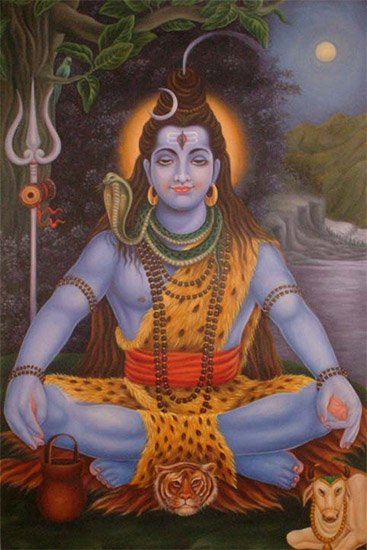
Shaiva (शैव, śaiva) or Shaivism (śaivism) represents a tradition of Hinduism worshiping Shiva as the supreme being. Closely related to Shaktism, Shaiva literature includes a range of scriptures, including Tantras, while the root of this tradition may be traced back to the ancient Vedas.
Languages of India and abroad
Sanskrit dictionary
1) Kṛṣṇatīrtha (कृष्णतीर्थ) as mentioned in Aufrecht’s Catalogus Catalogorum:—contemporary of Jagannāthāśrama. Hall. p. 139. He was the guru of Rāmatīrtha (Anvayārthaprakāśikā, etc.). Hall. p. 91. 99, etc.
2) Kṛṣṇatīrtha (कृष्णतीर्थ):—Vedāntasāraṭīkā Vidvanmanorañjinī. Bühler 556.
3) Kṛṣṇatīrtha (कृष्णतीर्थ):—Paratattvavilāsa bhakti.
1) Kṛṣṇatīrtha (कृष्णतीर्थ):—[=kṛṣṇa-tīrtha] [from kṛṣṇa] m. Name of a teacher of Rāma-tīrtha
2) [v.s. ...] n. Name of a Tīrtha, [Skanda-purāṇa]
Kṛṣṇatīrtha (कृष्णतीर्थ):—(kṛṣṇa + tīrtha) m. Nomen proprium eines Mannes [Colebrooke I, 335.]
--- OR ---
Kṛṣṇatīrtha (कृष्णतीर्थ):—
1) m. Nomen proprium eines Lehrers [Oxforder Handschriften 38,a, Nalopākhyāna 1.] [HALL 91. 99.] yati [101.] —
2) n. Nomen proprium eines Tīrtha [Oxforder Handschriften 73,b,12.]
Kṛṣṇatīrtha (कृष्णतीर्थ):—Nomen proprium —
1) m. eines Lehrers. —
2) n. eines Tīrtha.
Sanskrit, also spelled संस्कृतम् (saṃskṛtam), is an ancient language of India commonly seen as the grandmother of the Indo-European language family (even English!). Closely allied with Prakrit and Pali, Sanskrit is more exhaustive in both grammar and terms and has the most extensive collection of literature in the world, greatly surpassing its sister-languages Greek and Latin.
See also (Relevant definitions)
Partial matches (+0): Krishna, Tirtha.
Full-text (+0): Bharatikrishnatirtha, Vidvanmanoranjini, Nripavamshavali, Paratattvavilasa, Shrikrishnatirtha, Ramatirtha, Narayaneshvara, Ramatirtha yati, Sri Rama Tirtha, Vidyaranya, Vidyashamkaratirtha, Tattvacandrika, Hamsavimana, Guha, Vedantasara, Upadesha Sahasri.
Relevant text
Search found 12 books and stories containing Krishnatirtha, Krishna-tirtha, Krsna-tirtha, Kṛṣṇa-tīrtha, Krsnatirtha, Kṛṣṇatīrtha; (plurals include: Krishnatirthas, tirthas, tīrthas, Krsnatirthas, Kṛṣṇatīrthas). You can also click to the full overview containing English textual excerpts. Below are direct links for the most relevant articles:
Skanda Purana (by G. V. Tagare)
Chapter 15 - The Greatness of Rāmakṛṣṇa Tīrtha < [Section 1 - Veṅkaṭācala-māhātmya]
Chapter 34 - Greatness of Kṛṣṇa Tīrtha < [Section 3 - Arbuda-khaṇḍa]
Notices of Sanskrit Manuscripts (by Rajendralala Mitra)
Preceptors of Advaita (by T. M. P. Mahadevan)
A Descriptive Catalogue of the Sanskrit Manuscripts, Madras (by M. Seshagiri Sastri)
Matsya Purana (critical study) (by Kushal Kalita)
Part 3b - Tīrthas recommended for Śrāddhas < [Chapter 8 - Geographical data in the Matsyapurāṇa]
Brahma Purana (by G. P. Bhatt)