Icchat, Icchanta: 7 definitions
Introduction:
Icchat means something in Hinduism, Sanskrit, Buddhism, Pali. If you want to know the exact meaning, history, etymology or English translation of this term then check out the descriptions on this page. Add your comment or reference to a book if you want to contribute to this summary article.
Alternative spellings of this word include Icchat.
In Hinduism
Kama-shastra (the science of Love-making)
Icchanta (इच्छन्त) refers to the “willingness” (of entertaining a romantic union with a woman); as opposed to Anicchanta—“unwillingness” [... sā māmanicchantaṃ doṣavikhyāpānena dūṣayiṣyati].
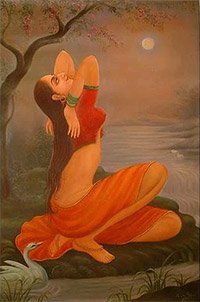
Kamashastra (कामशास्त्र, kāmaśāstra) deals with ancient Indian science of love-making, passion, emotions and other related topics dealing with the pleasures of the senses.
Languages of India and abroad
Pali-English dictionary
icchanta : (pr.p. of icchati) wishing; longing for.
icchanta (ဣစ္ဆန္တ) [(ti) (တိ)]—
[isu+a+manta.thī-nitea icchantī]
[ဣသု+အ+မန္တ။ ထီ-၌ ဣစ္ဆန္တီ]
[Pali to Burmese]
icchanta—
(Burmese text): အလိုရှိ-နှစ်သက်-သော၊ သူ။ ဣစ္ဆာ-လည်းကြည့်။
(Auto-Translation): Desires - likes - that person. Also watch - the egg.
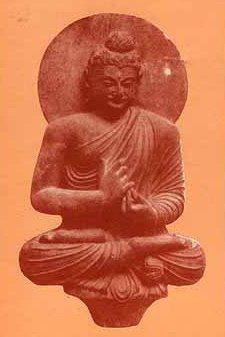
Pali is the language of the Tipiṭaka, which is the sacred canon of Theravāda Buddhism and contains much of the Buddha’s speech. Closeley related to Sanskrit, both languages are used interchangeably between religions.
Sanskrit dictionary
Icchat (इच्छत्).—pres. p. Wishing, desirous, willing; अनिच्छन्नपि वार्ष्णेय बलादिव नियोजितः (anicchannapi vārṣṇeya balādiva niyojitaḥ) Bhagavadgītā (Bombay) 3.36. अनिच्छतोऽपि तस्य (anicchato'pi tasya) against his will.
Icchat (इच्छत्).—mfn. (-cchan-cchantī-cchat) Wishing, wishful, desirous. E. iṣ to wish, śatṛ aff.
Icchat (in Sanskrit) can be associated with the following Chinese terms:
1) 志慕 [zhì mù]: “aspire after”.
2) 欲知 [yù zhī]: “desiring and knowing”.
Sanskrit, also spelled संस्कृतम् (saṃskṛtam), is an ancient language of India commonly seen as the grandmother of the Indo-European language family (even English!). Closely allied with Prakrit and Pali, Sanskrit is more exhaustive in both grammar and terms and has the most extensive collection of literature in the world, greatly surpassing its sister-languages Greek and Latin.
See also (Relevant definitions)
Partial matches (+0): Ishu, A, Manta.
Starts with (+0): Icchata, Icchatadeva, Icchatas, Icchatatripta, Icchati, Icchatripti, Icchatta, Icchatva.
Full-text (+0): Anicchat, Anicchaka, Atricchanta, Aniccha, Zhi mu, Yu zhi.
Relevant text
Search found 10 books and stories containing Icchat, Icchanta, Ichchhanta, Ichchhat, Isu-a-manta; (plurals include: Icchats, Icchantas, Ichchhantas, Ichchhats, mantas). You can also click to the full overview containing English textual excerpts. Below are direct links for the most relevant articles:
Rig Veda (translation and commentary) (by H. H. Wilson)
Krishna Sandarbha of Jiva Goswami (by Kusakratha Prabhu)
Verse 70.2 < [Anuccheda 70]
Hiranyakesi-grihya-sutra (by Hermann Oldenberg)
Bhagavad-gita (with Vaishnava commentaries) (by Narayana Gosvami)
Verse 8.11 < [Chapter 8 - Tāraka-brahma-yoga (the Yoga of Absolute Deliverance)]
Satapatha-brahmana (by Julius Eggeling)
Kanda X, adhyaya 2, brahmana 2 < [Tenth Kanda]
Liberation in early Advaita Vedanta (by Aleksandar Uskokov)
3. The Role of Ritual and Vividiṣā < [Chapter 7 - Liberation, Ritual, and the arising of Knowledge]