Hala, Hā lǎ, Ha la, Hā lā, Hā là, Hālā, Hāla, Halā: 40 definitions
Introduction:
Hala means something in Hinduism, Sanskrit, Jainism, Prakrit, Buddhism, Pali, the history of ancient India, Marathi, Hindi, biology. If you want to know the exact meaning, history, etymology or English translation of this term then check out the descriptions on this page. Add your comment or reference to a book if you want to contribute to this summary article.
Images (photo gallery)

In Hinduism
Purana and Itihasa (epic history)
Hala (हल, “Ploughshare”):—The Vāyu-purāṇa mentions this as a weapon of Kṛṣṇa’s brother Balarāma who is called Halin; the only other wielder of this weapon is Śiva according to the Vāyu-purāṇa.
Hala (हल) refers to “plough-shares” and was used as a weapon in battle, according to the Śivapurāṇa 2.5.9 (“Śiva’s campaign”).—Accordingly, as Śiva with the Gods attacked Tripura: “[...] The leading gods as huge as mountains went ahead delighted and well-armed with all sorts of missiles, plough-shares (hala), mortars, iron clubs and uprooted trees as huge as mountains. Then Indra, Brahmā, Viṣṇu and others went ahead of lord Śiva jubilantly shouting cries of victory to Śiva, well-armed with various weapons and shining brilliantly. Sages with matted hair and staffs in the hands rejoiced. Siddhas and Cāraṇas moving about in the sky showered flowers. [...]”.
1a) Hala (हल).—A weapon peculiar to Balarāma; reached him during the siege of Mathurā.*
- * Bhāgavata-purāṇa X. 50. 11 [15]; Vāyu-purāṇa 23. 199; Viṣṇu-purāṇa V. 22. 7.
1b) A Dānava.*
- * Brahmāṇḍa-purāṇa III. 6. 11.
1c) A Trayārṣeya.*
- * Matsya-purāṇa 200. 14.
2) Halā (हला).—One of Atri's ten wives.*
- * Brahmāṇḍa-purāṇa III. 8. 75.
3a) Hāla (हाल).—A Trayārṣeya.*
- * Matsya-purāṇa 200. 14.
3b) An Āndhra king; ruled for five years (one kings.*
- * Matsya-purāṇa 273. 9; Brahmāṇḍa-purāṇa III. 74. 165; Vāyu-purāṇa 99. 352.

The Purana (पुराण, purāṇas) refers to Sanskrit literature preserving ancient India’s vast cultural history, including historical legends, religious ceremonies, various arts and sciences. The eighteen mahapuranas total over 400,000 shlokas (metrical couplets) and date to at least several centuries BCE.
Shilpashastra (iconography)
Hala.—This is the ordinary Indian plough, probably extemporised as a weapon of war.
Hala (हल, “plough”).—According to mythology, hala and musala are the original weapons of Ananta. They are also known as vaiṣṇava-praharanāni. The Harivaṃśa says they were first made available to Balarāma before his fight with King Jarāsandha of Rājagṛha. Sunanda and Saṃvartaka were the respective names of his divine weapons.
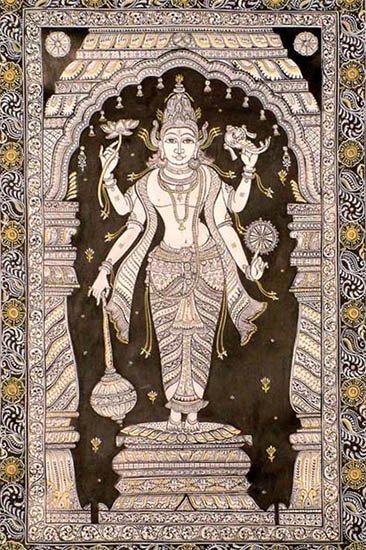
Shilpashastra (शिल्पशास्त्र, śilpaśāstra) represents the ancient Indian science (shastra) of creative arts (shilpa) such as sculpture, iconography and painting. Closely related to Vastushastra (architecture), they often share the same literature.
Shaivism
Hālā (हाला) is the name of a sacred site (pīṭha) to be assigned to the navel (nābhi) during the pīṭhavidhi (‘ritual of sacred sites’) according to the Tantrāloka chapter 29. This chapter of the Tantrāloka by Abhinavagupta expounds details regarding the Kula initiation ritual. Kula or Kaula is a specific tradition within Śaivism, closely related to Siddhānta and Śaktism. In the Jñānārṇava-tantra it is also mentioned as a pīṭha and is also called Kolvagiri.
Hala (हल) or Halāgama refers to one of upāgamas (supplementary scriptures) of the Vīrāgama which is one of the twenty-eight Siddhāntāgama: a classification of the Śaiva division of Śaivāgamas. The Śaivāgamas represent the wisdom that has come down from lord Śiva, received by Pārvatī and accepted by Viṣṇu. The purpose of revealing upāgamas (e.g., Hala Āgama) is to explain more elaborately than that of mūlāgamas (e.g., Vīra-āgama) and to include any new idea if not dealt in mūlāgamas.
Hālā (हाला) is mentioned as one of the upakṣetras, maped internally to the eight lotus petals at the top of the heart cakra, according to the Tantraloka 15.90-91.

Shaiva (शैव, śaiva) or Shaivism (śaivism) represents a tradition of Hinduism worshiping Shiva as the supreme being. Closely related to Shaktism, Shaiva literature includes a range of scriptures, including Tantras, while the root of this tradition may be traced back to the ancient Vedas.
Natyashastra (theatrics and dramaturgy)
Halā (हला, “hallo”) refers to a specific “mode of address” (nāman) used in drama (nāṭya), according to Nāṭyaśāstra chapter 19. Halā is used by women friends in addressing one another among their equals.
Natyashastra (नाट्यशास्त्र, nāṭyaśāstra) refers to both the ancient Indian tradition (shastra) of performing arts, (natya—theatrics, drama, dance, music), as well as the name of a Sanskrit work dealing with these subjects. It also teaches the rules for composing Dramatic plays (nataka), construction and performance of Theater, and Poetic works (kavya).
Kavya (poetry)
Hāla (हाल).—V. Smith is of the opinion that Hāla Satavahana of the Andhra Satavahana dynasty which came into being about 220 B.C. ruled yabout 68 or 58 A.D. and that he is the patron of three works, viz.the Saptaśatī, Guṇaḍhya’s Bṛhatkathā and the Kātantra Vyākaraṇa. These three works must be placed about 60-70 A.D.
Rājaśekhara refers to him as the king of Kuntala, who had ordered the exclusive use of Prākṛta in his harem. He has also mentioned him in the list of Sabhapat given in his Kāvyamīmāṃsa. Bāṇa in his Harṣacarita praises him for his Saptaśatī or Kośa.
Kavya (काव्य, kavya) refers to Sanskrit poetry, a popular ancient Indian tradition of literature. There have been many Sanskrit poets over the ages, hailing from ancient India and beyond. This topic includes mahakavya, or ‘epic poetry’ and natya, or ‘dramatic poetry’.
Jyotisha (astronomy and astrology)
Hala (हल) [=Tālahala?] refers to a country belonging to “Paścimottara (north-western division)” classified under the constellations of Uttarāṣāḍha, Śravaṇa and Dhaniṣṭhā, according to the system of Kūrmavibhāga, according to the Bṛhatsaṃhitā (chapter 14), an encyclopedic Sanskrit work written by Varāhamihira mainly focusing on the science of ancient Indian astronomy astronomy (Jyotiṣa).—Accordingly, “The countries of the Earth beginning from the centre of Bhāratavarṣa and going round the east, south-east, south, etc., are divided into 9 divisions corresponding to the 27 lunar asterisms at the rate of 3 for each division and beginning from Kṛttikā. The constellations of Uttarāṣāḍha, Śravaṇa and Dhaniṣṭhā represent the north-western division consisting of [i.e., Tāla, Hala] [...]”.

Jyotisha (ज्योतिष, jyotiṣa or jyotish) refers to ‘astronomy’ or “Vedic astrology” and represents the fifth of the six Vedangas (additional sciences to be studied along with the Vedas). Jyotisha concerns itself with the study and prediction of the movements of celestial bodies, in order to calculate the auspicious time for rituals and ceremonies.
Shaktism
Hālā (हाला) refers to “liquor”, according to the King Vatsarāja’s Pūjāstuti called the Kāmasiddhistuti (also Vāmakeśvarīstuti), guiding one through the worship of the Goddess Nityā.—Accordingly, “[...] O goddess! You enter the heart of a man whose mind is composed. Sweet ballads of your renown, O Gaurī, the Vidyādharas sing in the groves of Haricandana trees that emit the sweet fragrance of liquor (hālā-sugandhi) on the banks of the heavenly river”.
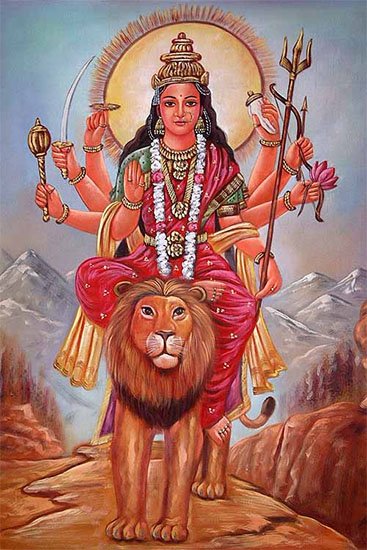
Shakta (शाक्त, śākta) or Shaktism (śāktism) represents a tradition of Hinduism where the Goddess (Devi) is revered and worshipped. Shakta literature includes a range of scriptures, including various Agamas and Tantras, although its roots may be traced back to the Vedas.
In Jainism
General definition (in Jainism)
1) Hala (हल) participated in the war between Rāma and Rāvaṇa, on the side of the latter, as mentioned in Svayambhūdeva’s Paumacariu (Padmacarita, Paumacariya or Rāmāyaṇapurāṇa) chapter 57ff. Svayambhū or Svayambhūdeva (8th or 9th century) was a Jain householder who probably lived in Karnataka. His work recounts the popular Rāma story as known from the older work Rāmāyaṇa (written by Vālmīki). Various chapters [mentioning Hala] are dedicated to the humongous battle whose armies (known as akṣauhiṇīs) consisted of millions of soldiers, horses and elephants, etc.
2) Hāla (हाल) participated in the war between Rāma and Rāvaṇa, on the side of the latter, as mentioned in Svayambhūdeva’s Paumacariu (Padmacarita, Paumacariya or Rāmāyaṇapurāṇa) chapter 57ff. Svayambhū or Svayambhūdeva (8th or 9th century) was a Jain householder who probably lived in Karnataka. His work recounts the popular Rāma story as known from the older work Rāmāyaṇa (written by Vālmīki). Various chapters [mentioning Hāla] are dedicated to the humongous battle whose armies (known as akṣauhiṇīs) consisted of millions of soldiers, horses and elephants, etc.
Hala (हल) refers to a variable length measurement (for land), and represents a Jaina technical term mentioned in the Vividhatīrthakalpa by Jinaprabhasūri (13th century A.D.): an ancient text devoted to various Jaina holy places (tīrthas).—(Sircar 1966 sv).

Jainism is an Indian religion of Dharma whose doctrine revolves around harmlessness (ahimsa) towards every living being. The two major branches (Digambara and Svetambara) of Jainism stimulate self-control (or, shramana, ‘self-reliance’) and spiritual development through a path of peace for the soul to progess to the ultimate goal.
India history and geography
Hala (r. 61-66 CE) is a king from the Sātavāhana dynasty of ancient India. The Sātavāhana lineage (known as Andhra in the Purāṇas) once ruled much of the Deccan region and several of the Ajantā caves at West-Khandesh (West-Khaṇḍeśa, modern Jalgaon) were carved in the 3rd century BCE when the region was ruled by kings (e.g., Hala) and descendants of the Sātavāhana kings. Hala was preceded by Gaurakṛṣṇa and succeeded by Maṇḍalaka (Puttalka, Pulumāvi II).
Hala.—(IE 8-6), literally ‘a plough’; a free-holding (cf. bhikṣu-hala); an area of land, which was not exactly the same in different ages and localities (EI 7, 24, 29, 30, 31; CII 4). (IA 18), a land measure equal to one-fourth of a sīrā (cf. halavāhā); half of a kula; one plough-measure. (EI 3), probably, ‘arable land’; cf. sītā. Note: hala is defined in the “Indian epigraphical glossary” as it can be found on ancient inscriptions commonly written in Sanskrit, Prakrit or Dravidian languages.
--- OR ---
Hāla.—(EI 19), a land measure; same as hala. Note: hāla is defined in the “Indian epigraphical glossary” as it can be found on ancient inscriptions commonly written in Sanskrit, Prakrit or Dravidian languages.
Hāla (हाल) or Sālāhaṇa is the author of the Kośa, as mentioned by Uddyotanasūri in his 8th-century Kuvalayamālā (a Prakrit Campū, similar to Kāvya poetry) narrating the love-story between Prince Candrāpīḍa and the Apsaras Kādambarī.—The Kuvalayamala (779 A.D.) is full of cultural material which gains in value because of the firm date of its composition. [...] On pages 3.18-4.12, Uddyotanasūri gives the names of a number of Kathās and their authors, in Sanskrit, Prakrit and Apabhramsha, [i.e., Hāla (Sālāhaṇa) and his Kośa], [...]—That was the usual practice of all writers like Subandhu, Bāṇa, Daṇḍin, Haribhadra, Svayaṃbhū etc. We are able to know the names of about fifty works including romances. Dr. A. N. Upadhye has dealt with these in his paper entitled “Works and Authors referred to in the Kuvalayamālā of Uddyotanasūri” submitted to the A.I.O.C. Session at Gauhati.

The history of India traces the identification of countries, villages, towns and other regions of India, as well as mythology, zoology, royal dynasties, rulers, tribes, local festivities and traditions and regional languages. Ancient India enjoyed religious freedom and encourages the path of Dharma, a concept common to Buddhism, Hinduism, and Jainism.
Biology (plants and animals)
1) Hala in Hawaii is the name of a plant defined with Pandanus tectorius in various botanical sources. This page contains potential references in Ayurveda, modern medicine, and other folk traditions or local practices It has the synonym Pandanus tectorius var. microcephalus Martelli (among others).
2) Hala in India is also identified with Garuga pinnata.
3) Hala in Nepal is also identified with Terminalia bellirica It has the synonym Myrobalanus laurinoides (Teijsm. & Binn.) Kuntze (etc.).
Example references for further research on medicinal uses or toxicity (see latin names for full list):
· Novae Plantarum Species (1821)
· De Fructibus et Seminibus Plantarum (1791)
· Proceedings of the Indian Science Congress Association (1990)
· Plants of the Coast of Coromandel (1805)
· Flora of the British India (1878)
· FBI (1875)
If you are looking for specific details regarding Hala, for example chemical composition, side effects, health benefits, diet and recipes, extract dosage, pregnancy safety, have a look at these references.

This sections includes definitions from the five kingdoms of living things: Animals, Plants, Fungi, Protists and Monera. It will include both the official binomial nomenclature (scientific names usually in Latin) as well as regional spellings and variants.
Languages of India and abroad
Pali-English dictionary
hala : (nt.) a plough.

Pali is the language of the Tipiṭaka, which is the sacred canon of Theravāda Buddhism and contains much of the Buddha’s speech. Closeley related to Sanskrit, both languages are used interchangeably between religions.
Marathi-English dictionary
hala (हल).—m S A plough.
--- OR ---
haḷa (हळ).—f A blast of hot air (heated whether by the sun or by a fire).
--- OR ---
haḷa (हळ).—m A long trench or narrow channel. See under hāḷa.
--- OR ---
haḷa (हळ).—m (hala S) A plough.
--- OR ---
haḷa (हळ).—f & haḷa m Properly hāḷa.
--- OR ---
haḷā (हळा).—a Commonly haḷavā a.
--- OR ---
hāla (हाल).—m ( A) Distressful or calamitous condition; the wretchedness or wofulness (of indigence, fatigue, hunger, disgrace &c.) The word well corresponds with Pickle, plight, mess, trim &c.; or, as it is ever used in the plural, with Straits, extremities &c. v kāḍha, bhōga, sōsa, ghē, hō, & dē, pāḍa, kara. hāla asē jhālē kīṃ kutrēṃ khāīnā Expressive of the very extremity of wretchedness and abjectness.
--- OR ---
hāla (हाल).—f Fixed resolution or purpose; any doggedly or steadily held determination. v bāndha, sōḍa. Ex. hā āpalī hāla siddhīsa nēīlaca sōḍaṇāra nāhīṃ; maja kōṇahī nalagē āṇīka saṅgātī || rākhāvī bahutī hāla mājhī ||. 2 A wager, an engagement upon a stake: also an engagement without stake; a fixed engagement. v bāndha with śīṃ. Hence, by implication, Vieing with; emulously engaging with. v bāndha.
--- OR ---
hāla (हाल).—ad ( A) Now. 2 Continually, constantly, at every present moment. This sense is rare. Pr. hāla khuśāmata tājī rōṭī or tājā rōjagāra Standing flattery, ready at the instant, secures good pudding or a maintenance fresh and fat. hāla khuśāmatī also occurs as a Ever ready with flattery fresh and new. See under khuśāmada.
--- OR ---
hāḷa (हाळ).—f A basket of a certain form and size. Hence (quasi basketing and marketing) Going with things for sale in another village; or going about from village to village with pedler's ware; pedlering. 2 Pedler's ware: also the produce of the sale of pedler's ware; as hāḷīsa jāṇēṃ -cālaṇēṃ -nighaṇēṃ. 3 The mark (in clearing ground for cultivation) of a removed or an extinct tree.
--- OR ---
hāḷa (हाळ).—m A watering trough (esp. of masonry) for cattle. 2 A long and deep furrow or channel: also a long fireplace or a line of fireplaces. On the day of campāṣaṣṭhī fire is kindled in a hāḷa or trench, and people (i. e. the yajurvēdī and others) walk along the embers, when they celebrate gōndhaḷa in honor of dēvī, khaṇḍōbā &c. 3 As a Canarese word hāḷa signifies Mountain-torrent or a rude stream; also its precipitous or rugged bed.
hala (हल).—m A plough.
--- OR ---
haḷa (हळ).—f A blast of hot air. m A long trench. A plough.
--- OR ---
hāla (हाल).—m Distressful condition; woeful- ness. tyācē hāla kutrēṃ khāīnā He was reduced to extreme wretchedness. f Fixed resolution ad Now.
--- OR ---
hāḷa (हाळ).—m A watering trough for cattle. A long fireplace. f A basket of a certain form. Peddler's ware.
Marathi is an Indo-European language having over 70 million native speakers people in (predominantly) Maharashtra India. Marathi, like many other Indo-Aryan languages, evolved from early forms of Prakrit, which itself is a subset of Sanskrit, one of the most ancient languages of the world.
Sanskrit dictionary
Hala (हल).—
1) A plough.
2) A weapon.
3) A landmeasure.
Derivable forms: halaḥ (हलः), halam (हलम्).
--- OR ---
Hala (हल).—[hal ghañarthe karaṇe ka]
1) A plough; वहसि वपुषि विशदे वसनं जलदाभम् । हलहतिभीतिमिलितयमुनाभम् (vahasi vapuṣi viśade vasanaṃ jaladābham | halahatibhītimilitayamunābham); or हलं कलयते (halaṃ kalayate) Gītagovinda 1.
2) Deformity, ugliness; ततो मया रूपगुणैरहल्या स्त्री विनिर्मिता । हलं नामेह वैरूप्यं हल्यं तत्प्रभवं भवेत् (tato mayā rūpaguṇairahalyā strī vinirmitā | halaṃ nāmeha vairūpyaṃ halyaṃ tatprabhavaṃ bhavet) || Rām.7.3. 22.
3) Hindrance.
4) Quarrel.
Derivable forms: halam (हलम्).
--- OR ---
Halā (हला).—
1) A female friend.
2) The earth.
3) Water.
4) Spirituous liquor. -ind. A vocative particle used in addressing a female friend; (only in theatrical language); हला शकुन्तले अत्रैव तावन्मुहूर्त तिष्ठ (halā śakuntale atraiva tāvanmuhūrta tiṣṭha) Ś.1; cf. हण्डा (haṇḍā) also.
--- OR ---
Hāla (हाल).—[halo astyasya aṇ, hala eva vā aṇ]
1) A plough.
2) Name of Balarāma.
3) Name of a king, Śālivāhana king.
4) A kind of bird.
-lā Spirituous liquor.
-lī A wife's younger sister.
Derivable forms: hālaḥ (हालः).
--- OR ---
Hālā (हाला).—Wine, spirituous liquor; हित्वा हालामभिमतरसां रेवतीलोचनाङ्काम् (hitvā hālāmabhimatarasāṃ revatīlocanāṅkām) Meghadūta 51; Pañcatantra (Bombay) 1.58; Śiśupālavadha 1.21; हालया साकमज्ञातं हालाहलमदापयत् (hālayā sākamajñātaṃ hālāhalamadāpayat) Śiva. B.28.21.
See also (synonyms): hālahalī.
Hala (हल).—n.
(-laṃ) A plough. f.
(-lā) 1. Vinous liquor. 2. The earth. 3. Water. 4. A female friend: see halā. E. hal to plough, aff. ac .
--- OR ---
Halā (हला).—Ind. A vocative particle, addressed in theatrical language to a female friend. E. hal to plough, ā aff.
--- OR ---
Hāla (हाल).—m.
(-laḥ) 1. Balarama. 2. A name of Salivahana. 3. A plough. f.
(-lā) Spirituous liquor. f. (-lī) A wife’s younger sister. E. hāla a plough, aff. aṇ; or hal to plough, aff. ghañ. In fem. hal-iṇ-ṅīṣ .
Hala (हल).—I. m. A plough, [Gītagovinda. ed. Lassen.] 1, 12. Ii. f. lā. 1. The earth. 2. Vinous liquor. 3. Water. See halā, s. v.
--- OR ---
Halā (हला).—a vocative particle, addressed to a female friend (in theatrical language), [Śākuntala, (ed. Böhtlingk.)] 9, 7 ([Prakrit]); cf. hala.
--- OR ---
Hāla (हाल).—I. i. e. hala + a, m. 1. A plough. 2. Balarāma, Śālivāhana. Ii. f. lā, Spirituous liquor, [Pañcatantra] i. [distich] 62. Iii. f. lī, A wife’s younger sister.
Hala (हल).—[masculine] [neuter] plough (also as a weapon).
--- OR ---
Halā (हला).—[adjective] vocat. particle used in addressing a female friend.*
--- OR ---
Hāla (हाल).—[masculine] [Name] of a king and poet.
--- OR ---
Hālā (हाला).—[feminine] spirituous liquor, wine.
1) Hala (हल) as mentioned in Aufrecht’s Catalogus Catalogorum:—brother of Āstara, son of Sūryadatta, son of Lakṣmīdhara, son of Muñja: Vājasaneyisarvānukramaṇikābhāṣya and Paddhati to the same. W. p. 41.
2) Hāla (हाल):—Gāthāsaptaśatī or Gāthākośa or Saptaśatī.
1) Hala (हल):—[from hal] mn. (ifc. f(ā). ) a plough (also as a weapon, and as a land measure), [Mahābhārata; Kāvya literature] etc.
2) [v.s. ...] m. Name of an author, [Catalogue(s)]
3) [v.s. ...] m. [plural] Name of a country and people in the north, [Varāha-mihira’s Bṛhat-saṃhitā]
4) Halā (हला):—[from hala > hal] a f. the earth, [cf. Lexicographers, esp. such as amarasiṃha, halāyudha, hemacandra, etc.]
5) [v.s. ...] water, [cf. Lexicographers, esp. such as amarasiṃha, halāyudha, hemacandra, etc.]
6) [v.s. ...] spirituous liquor, wine, [cf. Lexicographers, esp. such as amarasiṃha, halāyudha, hemacandra, etc.]
7) Hala (हल):—[from hal] n. a plough, [cf. Lexicographers, esp. such as amarasiṃha, halāyudha, hemacandra, etc.]
8) [v.s. ...] a [particular] constellation (reckoned among the Ākṛti-yogas), [Varāha-mihira’s Bṛhat-saṃhitā]
9) [v.s. ...] ugliness, deformity (= vairāgya), hindrance, obstruction (= prati-ṣedha), [cf. Lexicographers, esp. such as amarasiṃha, halāyudha, hemacandra, etc.]
10) [v.s. ...] quarrel (= vivāda)
11) Hāla (हाल):—[from hal] a m. = hala, a plough, [cf. Lexicographers, esp. such as amarasiṃha, halāyudha, hemacandra, etc.]
12) [v.s. ...] a ‘scraper’ (kind of bird), [Suśruta [Scholiast or Commentator]]
13) [v.s. ...] Name of Bala-rāma (cf. haladhara), [cf. Lexicographers, esp. such as amarasiṃha, halāyudha, hemacandra, etc.]
14) [v.s. ...] of Sātavāhana, [Catalogue(s)]
15) [v.s. ...] of a king (son of Ariṣṭa-karman), [Viṣṇu-purāṇa]
16) Hālā (हाला):—[from hāla > hal] f. spirituous liquor (a provincial term [according to] to [Vāmana’s Kāvyālaṃkāravṛtti v, 1, 13])
17) Halā (हला):—b ind. (in [dramatic language]) a vocative particle (used in addressing a female friend who is an equal), [Daśarūpa; Sāhitya-darpaṇa]
18) Hāla (हाल):—b hālaka, hālika etc. See p.1293, [columns] 1 and 2.
1) Hala (हल):—(laṃ) 1. n. A plough. 1. f. Vinous liquor; the earth; water.
2) Halā (हला):—interj. Used to a female friend.
3) Hāla (हाल):—(laḥ) 1. m. Balarāma; name of Shālivāhana; a plough. 1. f. Wine. f. (ī) Wife’s younger sister.
Hala (हल):—[Pāṇini’s acht Bücher 3, 1, 140.]
1) m. n. gaṇa ardharcādi zu [Pāṇini’s acht Bücher 2, 4, 31.] Pflug (auch als Waffe) [Amarakoṣa 2, 9, 13.] [Hemacandra’s Abhidhānacintāmaṇi 225. 891.] [Halāyudha 2, 420. 5, 46.] [Mahābhārata 3, 809] (m.). halasya voḍhā [12724. 13, 3599. 3, 15297.] [Harivaṃśa 5035. 6784.] [Rāmāyaṇa 1, 40, 19.] baladevo halapāṇiḥ [Varāhamihira’s Bṛhajjātaka S. 58, 36. 69, 17. 70, 2. 86, 46.] [Hemacandra] [Yogaśāstra 3, 108.] [Chandomañjarī 42.] [Bhāgavatapurāṇa 10, 68, 40.] halābhiyoga [GOBH. 4, 4, 21.] hati [Gītagovinda 1, 12.] halasyeṣā [Scholiast] zu [Kātyāyana’s Śrautasūtrāṇi 22, 3, 48.] haleṣā [ANUPADAS. 5, 2.] mukha [Rāmāyaṇa 5, 19, 4. 7, 17, 37.] kakud [Bhāgavatapurāṇa 5, 25, 7.] daṇḍa und vaṃśa Deichsel eines Pfluges [Vyutpatti oder Mahāvyutpatti 133.] sīra [DIVYĀVADĀNA 50.] paṅktidāna [Oxforder Handschriften 35,a,38.] besteht aus acht Theilen: īṣā, yuga, sthāṇu, niryola, pāśikā, aḍḍacalla, caula und paccanī [KṚṢIS. 9, 6. 7.] halamaṣṭagavaṃ dharmyam [8, 3.] daśagava, pañcagava [5.] —
2) m. Nomen proprium a) pl. eines Volkes und Landes im Norden [Varāhamihira’s Bṛhajjātaka S. 14, 22. 27. 16, 6. 32, 19.] [TĀRAN. 171] (hali [WASSILJEW 53]). — b) eines Autors [Weber’s Verzeichniss No. 166.] —
3) f. ī Methonica superba (vgl. halinī und lāṅgalikī) [Rājanirghaṇṭa 4, 130.] — f. halā s. bes. —
4) n. a) Bez. einer best. zu den Ākṛtiyoga gezählten Constellation [Varāhamihira’s Bṛhajjātaka 12, 4. 13.] — b) = vairūpya deformitas (zur Erklärung des Namens ahalyā) [Rāmāyaṇa 7, 30, 22.] = pratiṣedha und vivāda (zur Erklärung von āryahala) [ŚĀKAṬĀYANA] in [Oxforder Handschriften 162,b, Nalopākhyāna 5.] — Vgl. ārya, bṛhaddhala, vella, su, hāla und hālika .
--- OR ---
Halā (हला):—1. indecl. Anruf an eine Freundin im Drama [Amarakoṣa 1, 1, 7, 15.] [Hemacandra’s Abhidhānacintāmaṇi 334.] [DAŚAR. 2, 65.] [Sāhityadarpana 172, 13.]
--- OR ---
Halā (हला):—2. f. die Erde; Wasser; ein berauschendes Getränk [ANEKĀRTHAK. im Śabdakalpadruma]
--- OR ---
Hāla (हाल):—= hala [Pāṇini’s acht Bücher 3, 1, 140.]
1) m. a) = hala Pflug [Medinīkoṣa l. 56.] — b) Beiname α) Balarāma’s, des Pflugträgers, [Trikāṇḍaśeṣa 1, 1, 36.] — β) Sātavāhana’s [Hemacandra’s Abhidhānacintāmaṇi 712.] [Anekārthasaṃgraha 2, 516] (sīta gedr.). bhūbhuj [Oxforder Handschriften 195,b,16.] — c) Nomen proprium eines Fürsten, Sohnes des Ariṣṭakarman [Viṣṇupurāṇa 4, 24, 12]; vgl. hāleya . —
2) f. ā Branntwein [Amarakoṣa 2, 10, 39.] [Hemacandra’s Abhidhānacintāmaṇi 903.] [Hemacandra’s Anekārthasaṃgraha] [Medinīkoṣa] [Halāyudha 2, 174.] [Hārāvalī 63.] [Meghadūta 50.] [Śiśupālavadha 10, 21.] [Spr. (II) 2992.] [Hemacandra] [Yogaśāstra 3, 15] (pl.). —
3) f. ī der Frau jüngere Schwester [Hemacandra’s Abhidhānacintāmaṇi 555.]
Hala (हल) in the Sanskrit language is related to the Prakrit words: Hala, Halā, Hāla, Hālā.
Sanskrit, also spelled संस्कृतम् (saṃskṛtam), is an ancient language of India commonly seen as the grandmother of the Indo-European language family (even English!). Closely allied with Prakrit and Pali, Sanskrit is more exhaustive in both grammar and terms and has the most extensive collection of literature in the world, greatly surpassing its sister-languages Greek and Latin.
Hindi dictionary
1) Hala (हल) [Also spelled hal]:—(nm) a plough; solution; ~[jīvī] a farmer/peasant; —[karanā] to solve.
2) Hāla (हाल) [Also spelled haal]:—(nm) state; condition; account; news; a hoop, metallic tyre over a wooden wheel; turmoil; violent vibration/agitation; a hall; (a) present, current; -[cāla] general condition, state of affairs; news; —[kā] recent; fresh; —[meṃ] for the time being; in the near past/future; recently; —[patalā honā] to be in a terrible affliction.
3) Hālā (हाला):—(nf) wine, liquor.
...
Prakrit-English dictionary
1) Hala (हल) in the Prakrit language is related to the Sanskrit word: Ila.
2) Hala (हल) also relates to the Sanskrit word: Hala.
3) Halā (हला) also relates to the Sanskrit word: Halā.
4) Hāla (हाल) also relates to the Sanskrit word: Hāla.
5) Hālā (हाला) also relates to the Sanskrit word: Hālā.
Prakrit is an ancient language closely associated with both Pali and Sanskrit. Jain literature is often composed in this language or sub-dialects, such as the Agamas and their commentaries which are written in Ardhamagadhi and Maharashtri Prakrit. The earliest extant texts can be dated to as early as the 4th century BCE although core portions might be older.
Kannada-English dictionary
Hala (ಹಲ):—
1) [adjective] consisting of some large, indefinite number (of persons or things); numerous; many.
2) [adjective] relatively numerous; too many.
--- OR ---
Hala (ಹಲ):—[noun] (hist.) a unit of weight (equal to three tolas).
--- OR ---
Hala (ಹಲ):—
1) [noun] an agricultural implement used for cutting, lifting, turning over, and partly pulverising soil; a plough.
2) [noun] a plough-shaped military weapon.
3) [noun] the quality of being unpleasant to look at; ugliness.
4) [noun] (astrol.) a particular conjugation of planets in which the seven main planets are located in houses other than the birth house.
--- OR ---
Hala (ಹಲ):—[noun] = ಹಲಿ [hali]3.
--- OR ---
Hala (ಹಲ):—[noun] (hist.) a professional tax levied on washermen.
--- OR ---
Haḷa (ಹಳ):—[adjective] (only as a first word in a compound) old.
--- OR ---
Haḷa (ಹಳ):—
1) [noun] an agricultural implement used for cutting, lifting, turning over, and partly pulverising soil; a plough.
2) [noun] a plough-shaped military weapon.
3) [noun] the quality of being unpleasant to look at; ugliness.
4) [noun] (astrol.) a particular conjugation of planets in which the seven main planets are located in houses other than the birth house.
--- OR ---
Haḻa (ಹೞ):—[adjective] (only as the first word in a compound) old.
--- OR ---
Hāla (ಹಾಲ):—
1) [noun] the part of the face between the eyebrows and the line where the hair normally begins; the forehead.
2) [noun] the share of a plough; a ploughshare.
--- OR ---
Hāla (ಹಾಲ):—
1) [noun] an agricultural implement used for cutting, lifting, turning over, and partly pulverising soil; a plough.
2) [noun] Balarāma, elder brother of Kṛṣṇa, who has a plough-like weapon.
--- OR ---
Hāḷa (ಹಾಳ):—[noun] = ಹಾಳು [halu]2.
Kannada is a Dravidian language (as opposed to the Indo-European language family) mainly spoken in the southwestern region of India.
Nepali dictionary
1) Hala (हल):—n. 1. a plough; 2. an amount of land requiring only one plough for care; 3. solution; 4. yoke; 5. couple; 6. iron ring fitted around the wooden wheel;
2) Halā (हला):—n. pl. of हलो [halo]
3) Hāla (हाल):—n. 1. state; condition; 2. circumstance; situation; 3. account; story; news; 4. recent time;
4) Hālā (हाला):—n. 1. wine; narcotics; alcohol; 2. trouble; botheration; 3. crisis; emergency;
Nepali is the primary language of the Nepalese people counting almost 20 million native speakers. The country of Nepal is situated in the Himalaya mountain range to the north of India.
Chinese-English dictionary
[The following represents an unverified English translation. For all purposes consult the original Chinese text.]
哈喇 [hā lǎ] [ha la]—
1. Woolen fabric. It is the finest quality of woolens (呢绒 [ne rong]), produced in Russia. From Chapter 4 of The Travels of Lao Can (老殘遊記 [lao can you ji]): "He wore a pair of 'tiger-claw' boots (抓地虎靴子 [zhua de hu xue zi]), a purple wool (呢 [ne]) padded robe (夾袍 [jia pao]), and a sky-blue Hussar riding jacket (馬褂 [ma gua])."
2. An alternative name for the Wa (佤族 [wa zu]) ethnic minority (少數民族 [shao shu min zu]) in China. See the entry for "Wa" (佤族 [wa zu]).
哈喇:1.毛織物。為呢絨的最上品,產於俄國。《老殘遊記》第四回:「穿了一雙抓地虎靴子、紫呢夾袍、天青哈喇馬褂。」
2.中國少數民族佤族的別稱。參見「佤族」條。
hā lǎ:1. máo zhī wù. wèi ne róng de zuì shàng pǐn, chǎn yú é guó. < lǎo cán yóu jì> dì sì huí: “chuān le yī shuāng zhuā de hǔ xuē zi,, zǐ ne jiā páo,, tiān qīng hā lǎ mǎ guà.”
2. zhōng guó shǎo shù mín zú wǎ zú de bié chēng. cān jiàn “wǎ zú” tiáo.
ha la:1. mao zhi wu. wei ne rong de zui shang pin, chan yu e guo. < lao can you ji> di si hui: "chuan le yi shuang zhua de hu xue zi,, zi ne jia pao,, tian qing ha la ma gua."
2. zhong guo shao shu min zu wa zu de bie cheng. can jian "wa zu" tiao.
[The following represents an unverified English translation. For all purposes consult the original Chinese text.]
哈拉 [hā lā] [ha la]—
The rancid smell (酸腐味 [suan fu wei]) of oily food (油質食物 [you zhi shi wu]). Also known as (也作 [ye zuo]) '哈喇 [ha la]' or '哈辣 [ha la]'.
哈拉:油質食物的酸腐味。也作「哈喇」、「哈辣」。
hā lā: yóu zhì shí wù de suān fǔ wèi. yě zuò “hā lǎ” ,, “hā là” .
ha la: you zhi shi wu de suan fu wei. ye zuo "ha la" ,, "ha la" .
[The following represents an unverified English translation. For all purposes consult the original Chinese text.]
哈喇 [hā lǎ] [ha la]—
1. The rancid, sour smell of oily foods. From Chapter 38 of The Heroine of the War (兒女英雄傳 [er nu ying xiong chuan]): "Old Master An (安老爺 [an lao ye]) only felt a strange, peculiar scent, like the smell of raw musk (生麝香 [sheng she xiang]) and also like the smell of pine nuts (松子兒 [song zi er]). For a moment he couldn't tell if it was fragrant (香 [xiang]), gamey/rancid (臊 [sao]), sweet (甜甘 [tian gan]), or hala." Also written as 哈拉 [ha la] (hā lā) or 哈辣 [ha la] (hā là).
2. To kill, to murder. A transliteration of the Mongolian word alaqu. From Act 3 of the Yuan Dynasty (元 [yuan]) play Xie Jinwu (謝金吾 [xie jin wu]) by an anonymous author: "But Yang Jing (楊景 [yang jing]) is a consort (郡馬 [jun ma]), how could he act on his own initiative like this, and just hala him with a single saber stroke?" Also translated as 阿剌 [a la] (ā là), 哈剌 [ha la] (hā là), or 哈蘭 [ha lan] (hā lán).
哈喇:1.油質食物的腐酸味。《兒女英雄傳》第三八回:「安老爺但覺一股子奇香異氣,又像生麝香味兒,又像松子兒味兒,一時也辨不出是香,是臊,是甜甘,是哈喇。」也作「哈拉」、「哈辣」。
2.殺死、殺害。為蒙古語 alaqu 的音譯。元.無名氏《謝金吾》第三折:「但那楊景是一個郡馬,怎好就是這等自作主張,將他只一刀哈喇了。」也譯作「阿剌」、「哈剌」、「哈蘭」。
hā lǎ:1. yóu zhì shí wù de fǔ suān wèi. < ér nǚ yīng xióng chuán> dì sān bā huí: “ān lǎo yé dàn jué yī gǔ zi qí xiāng yì qì, yòu xiàng shēng shè xiāng wèi ér, yòu xiàng sōng zi ér wèi ér, yī shí yě biàn bù chū shì xiāng, shì sāo, shì tián gān, shì hā lǎ.” yě zuò “hā lā” ,, “hā là” .
2. shā sǐ,, shā hài. wèi méng gǔ yǔ alaqu de yīn yì. yuán. wú míng shì < xiè jīn wú> dì sān zhé: “dàn nà yáng jǐng shì yī gè jùn mǎ, zěn hǎo jiù shì zhè děng zì zuò zhǔ zhāng, jiāng tā zhǐ yī dāo hā lǎ le.” yě yì zuò “ā lá” ,, “hā lá” ,, “hā lán” .
ha la:1. you zhi shi wu de fu suan wei. < er nu ying xiong chuan> di san ba hui: "an lao ye dan jue yi gu zi qi xiang yi qi, you xiang sheng she xiang wei er, you xiang song zi er wei er, yi shi ye bian bu chu shi xiang, shi sao, shi tian gan, shi ha la." ye zuo "ha la" ,, "ha la" .
2. sha si,, sha hai. wei meng gu yu alaqu de yin yi. yuan. wu ming shi < xie jin wu> di san zhe: "dan na yang jing shi yi ge jun ma, zen hao jiu shi zhe deng zi zuo zhu zhang, jiang ta zhi yi dao ha la le." ye yi zuo "a la" ,, "ha la" ,, "ha lan" .
[The following represents an unverified English translation. For all purposes consult the original Chinese text.]
哈辣 [hā là] [ha la]—
1. A sour and putrid smell (酸腐味 [suan fu wei]) of oily food (油質食物 [you zhi shi wu]). For example: "This meat (肉 [rou]) tastes a bit rancid." Also written as "哈拉 [ha la]" (hālā) or "哈喇 [ha la]" (hālā).
2. Useless (無用的 [wu yong de]). For example: "What's the point of just coming up with some useless ideas (主意 [zhu yi])?"
哈辣:1.油質食物的酸腐味。如:「這肉吃起來有點哈辣。」也作「哈拉」、「哈喇」。
2.無用的。如:「淨出些哈辣主意,做啥用?」
hā là:1. yóu zhì shí wù de suān fǔ wèi. rú: “zhè ròu chī qǐ lái yǒu diǎn hā là.” yě zuò “hā lā” ,, “hā lǎ” .
2. wú yòng de. rú: “jìng chū xiē hā là zhǔ yì, zuò shà yòng?”
ha la:1. you zhi shi wu de suan fu wei. ru: "zhe rou chi qi lai you dian ha la." ye zuo "ha la" ,, "ha la" .
2. wu yong de. ru: "jing chu xie ha la zhu yi, zuo sha yong?"
1) 哈喇 ts = hā lǎ p refers to “rancid/to kill/to slaughter”.
2) 哈拉 ts = hā lā p refers to “to chat idly (Tw)”..
1) 哈喇 ts = hā lǎ p refers to [adjective] “rancid”; Domain: Modern Chinese 现代汉语 [xian dai han yu] , Subdomain: Food and Drink .
2) 哈喇 ts = hā lǎ p refers to [verb] “to kill; to slaughter”; Domain: Modern Chinese 现代汉语 [xian dai han yu] ..
3) 哈拉 ts = hā lā p refers to [verb] “to chat idly”; Domain: Modern Chinese 现代汉语 [xian dai han yu] , Subdomain: Dialect; Notes: Taiwan (CC-CEDICT '哈拉 [ha la]') ..
Chinese language.
See also (Relevant definitions)
Partial matches (+0): Ha, Ge, La.
Starts with (+22): Hala Apada, Hala huliga, Hala-kalita, Hala-na-cala, Halaabaadi, Halabandha, Halabha, Halabhrit, Halabhriti, Halabhuti, Halacakra, Haladanda, Haladhara, Haladvipa, Halagolaka, Halahakki, Halahala, Halahasta, Halahati, Halakakud.
Full-text (+403): Halahala, Haladhara, Ha la zi, Kutuhala, Halayudha, Halabhrit, Ahala, Sa ha la wei, Aryahalam, Halabhriti, Sa ha la sha mo, Halam, Apahala, Halabhuti, Halavaha, Haladanda, Halahati, Dohali, Sahala, Ha la lei.
Relevant text
Search found 142 books and stories containing Hala, Hā lǎ, Ha la, Hā lā, Hā là, Haalaa, Hālā, Hāla, Halā, Haḷa, Haḷā, Hāḷa, Haḻa, Hālǎ, Hālà, Halas, 哈喇, 哈拉, 哈辣; (plurals include: Halas, Hā lǎs, Ha las, Hā lās, Hā làs, Haalaas, Hālās, Hālas, Halās, Haḷas, Haḷās, Hāḷas, Haḻas, Hālǎs, Hālàs, Halases). You can also click to the full overview containing English textual excerpts. Below are direct links for the most relevant articles:
Impact of Vedic Culture on Society (by Kaushik Acharya)
Samucitameya (Land Measures) < [Chapter 5]
Sanskrit Inscriptions (G): The Cālukyas < [Chapter 3]
Mingling of Cultures (K): The Gurjara Pratihāras < [Chapter 4]
Brihat Jataka by Varahamihira [Sanskrit/English] (by Michael D Neely)
Dictionaries of Indian languages (Kosha)
Page 397 < [Hindi-English-Nepali (1 volume)]
Page 317 < [Hindi-Bengali-English Volume 3]
Page 425 < [Hindi-Kashmiri-English Volume 1]
Historical Elements in the Matsya Purana (by Chaitali Kadia)
Lineages of Vasiṣṭha < [Chapter 6 - Human history in the Matsya-Purāṇa]
Dynasty of Āndhra < [Chapter 6 - Human history in the Matsya-Purāṇa]
Soundarya Lahari of Shri Shankara (Study) (by Seetha N.)
The various deities of Saktism < [Chapter 5 - Shakta-Tantras—Saundaryalahari as an epitome of Shaktism]
The Shakta concept of Nyasa (mental appropriation) < [Chapter 5 - Shakta-Tantras—Saundaryalahari as an epitome of Shaktism]
The Shakta concept of Para, Pasyanti and Vaikhari < [Chapter 5 - Shakta-Tantras—Saundaryalahari as an epitome of Shaktism]
Daśāvatāra-stotram (by Jayadeva Gosvami)