Duhkhasukha, Duḥkhasukha, Duhkha-sukha: 2 definitions
Introduction:
Duhkhasukha means something in Buddhism, Pali, Jainism, Prakrit. If you want to know the exact meaning, history, etymology or English translation of this term then check out the descriptions on this page. Add your comment or reference to a book if you want to contribute to this summary article.
In Buddhism
Mahayana (major branch of Buddhism)
Source: Wisdom Library: Maha Prajnaparamita SastraDuḥkhasukha (दुःखसुख) refers to “suffering and happiness”, according to Mahāprajñāpāramitāśāstra (chapter 31).—Accordingly, “Dharmas exist insofar as they have their own characteristics (lakṣaṇa). Not having any characteristics, the soul does not exist. You consider the in-breath and the out-breath (ānāpāna), suffering and happiness (duḥkhasukha), etc., as characteristics of the soul; but that is not right (ayukta). Why? Because the in-breath and the out-breath, etc., are characteristics of the body, and the fact of feeling suffering, happiness, etc., is characteristic of the mind. Why make the body and the mind into characteristics of the soul?”.
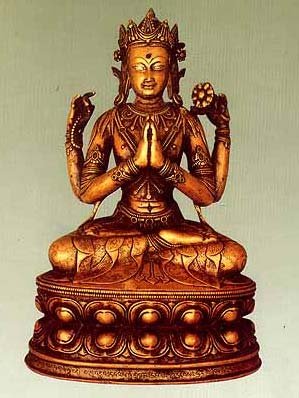
Mahayana (महायान, mahāyāna) is a major branch of Buddhism focusing on the path of a Bodhisattva (spiritual aspirants/ enlightened beings). Extant literature is vast and primarely composed in the Sanskrit language. There are many sūtras of which some of the earliest are the various Prajñāpāramitā sūtras.
In Jainism
General definition (in Jainism)
Source: The University of Sydney: A study of the Twelve ReflectionsDuḥkhasukha (दुःखसुख) refers to “pain and pleasure”, according to the 11th century Jñānārṇava, a treatise on Jain Yoga in roughly 2200 Sanskrit verses composed by Śubhacandra.—Accordingly, “Fool, when those two [com.—duḥkhasukha—‘pain and pleasure’], that which is pleasure in life and that which is imminent pain, are occurring on balance, pain is infinite”.

Jainism is an Indian religion of Dharma whose doctrine revolves around harmlessness (ahimsa) towards every living being. The two major branches (Digambara and Svetambara) of Jainism stimulate self-control (or, shramana, ‘self-reliance’) and spiritual development through a path of peace for the soul to progess to the ultimate goal.
See also (Relevant definitions)
Partial matches: Duhkha, Sukha.
Ends with: Aduhkhasukha, Ekaduhkhasukha, Samaduhkhasukha.
Full-text: Ekaduhkhasukha, Aduhkhasukhavedana, Samaduhkhasukha, Prasakta, Kshanekshana, Ayukta, Samana, Duhkha, Odhavanem, Kara.
Relevant text
Search found 3 books and stories containing Duhkhasukha, Duḥkhasukha, Duḥkha-sukha, Duhkha-sukha; (plurals include: Duhkhasukhas, Duḥkhasukhas, sukhas). You can also click to the full overview containing English textual excerpts. Below are direct links for the most relevant articles:
Maha Prajnaparamita Sastra (by Gelongma Karma Migme Chödrön)
III. The concept of non-self (anātman-saṃjñā) < [Chapter XXXVII - The Ten Concepts]
E.1: The Four Foundations of Mindfulness (smṛtyupasthāna) < [Abhidharma auxiliaries (E): Detailed study of the auxiliaries]
II. Detailed commentary on the list < [Part 1 - Mahāyānist list of the eighteen special attributes of the Buddha]
Gati in Theory and Practice (by Dr. Sujatha Mohan)
Literary and dramatic elements in Nāṭyaśāstra < [Chapter 1 - Nāṭya]
Bhagavad-gita-rahasya (or Karma-yoga Shastra) (by Bhalchandra Sitaram Sukthankar)