Dashabhumishvara, Daśabhūmīśvara, Dashabhumi-ishvara: 4 definitions
Introduction:
Dashabhumishvara means something in Buddhism, Pali, Hinduism, Sanskrit. If you want to know the exact meaning, history, etymology or English translation of this term then check out the descriptions on this page. Add your comment or reference to a book if you want to contribute to this summary article.
The Sanskrit term Daśabhūmīśvara can be transliterated into English as Dasabhumisvara or Dashabhumishvara, using the IAST transliteration scheme (?).
In Buddhism
Tibetan Buddhism (Vajrayana or tantric Buddhism)
Source: Brill: Śaivism and the Tantric Traditions (tantric Buddhism)Daśabhūmīśvara (दशभूमीश्वर) refers to the “master of the ten Bodhisattva stages”, according to the Nāmamantrārthāvalokinī by Vilāsavajra, which is a commentary on the Nāmasaṃgīti.—Accordingly, [while describing Mañjuśrī]—“He is [described in NS 10 as] the jñānasattva since he dwells in the heart of all the tathāgatas. The jñānasattva Mañjuśrī is not the bodhisattva that is the master of the ten [bodhisattva] stages (daśabhūmīśvara). Rather, he is non-dual gnosis, the perfection of wisdom itself”.
Source: OSU Press: Cakrasamvara SamadhiDaśabhūmīśvara (दशभूमीश्वर) is the name of a deity [i.e., oṃ daśabhūmīśvarāya svāhā], according to the Guru Mandala Worship (maṇḍalārcana) ritual often performed in combination with the Cakrasaṃvara Samādhi, which refers to the primary pūjā and sādhanā practice of Newah Mahāyāna-Vajrayāna Buddhists in Nepal.—
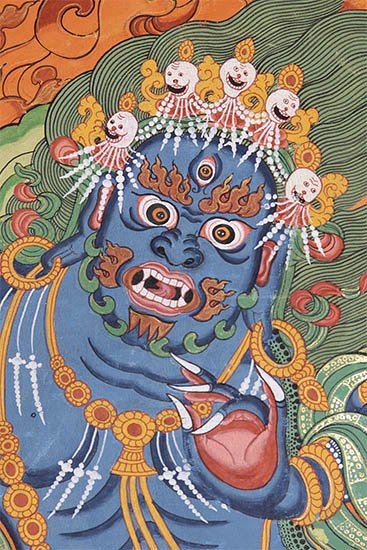
Tibetan Buddhism includes schools such as Nyingma, Kadampa, Kagyu and Gelug. Their primary canon of literature is divided in two broad categories: The Kangyur, which consists of Buddha’s words, and the Tengyur, which includes commentaries from various sources. Esotericism and tantra techniques (vajrayāna) are collected indepently.
Languages of India and abroad
Sanskrit dictionary
Source: Cologne Digital Sanskrit Dictionaries: Monier-Williams Sanskrit-English DictionaryDaśabhūmīśvara (दशभूमीश्वर):—[=daśa-bhūmīśvara] [from daśa-bhūmi > daśa] m. = mi.
[Sanskrit to German]
Sanskrit, also spelled संस्कृतम् (saṃskṛtam), is an ancient language of India commonly seen as the grandmother of the Indo-European language family (even English!). Closely allied with Prakrit and Pali, Sanskrit is more exhaustive in both grammar and terms and has the most extensive collection of literature in the world, greatly surpassing its sister-languages Greek and Latin.
See also (Relevant definitions)
Partial matches: Dashabhumi, Ishvara.
Full-text: Dashabhumi, Durangama, Dashabhumiga, Padmagarbha, Vimala, Prabhakari, Arcishmati, Saptavarta, Sudurjaya, Acala, Bodhisattabhumi, Sadhumati, Abhimukhi, Pramudita, Prabhakara, Duramgama, Dharmamegha.
Relevant text
Search found 3 books and stories containing Dashabhumishvara, Daśabhūmīśvara, Dasabhumisvara, Daśabhūmi-īśvara, Dashabhumi-ishvara, Dasabhumi-isvara; (plurals include: Dashabhumishvaras, Daśabhūmīśvaras, Dasabhumisvaras, īśvaras, ishvaras, isvaras). You can also click to the full overview containing English textual excerpts. Below are direct links for the most relevant articles:
Maha Prajnaparamita Sastra (by Gelongma Karma Migme Chödrön)
Note (2). The ten Bodhisattva grounds or abodes < [Chapter XX - (2nd series): Setting out on the Mahāyāna]
The Mahavastu (great story) (by J. J. Jones)
Chapter XI - The fourth Bhūmi < [Volume I]
Complete works of Swami Abhedananda (by Swami Prajnanananda)
Chapter 4 - Buddhist Councils And Buddhist Thoughts < [Discourse 7 - Thoughts on Sankhya Buddhism and Vedanta]