Chino: 3 definitions
Introduction:
Chino means something in the history of ancient India, biology. If you want to know the exact meaning, history, etymology or English translation of this term then check out the descriptions on this page. Add your comment or reference to a book if you want to contribute to this summary article.
India history and geography
Source: Shodhganga: A translation of Jhaverchand Meghanis non translated folk talesChino refers to “Coarse grains”.—It is defined in the glossary attached to the study dealing with Gujarat Folk tales composed by Gujarati poet Jhaverchand Meghani (1896-1947)
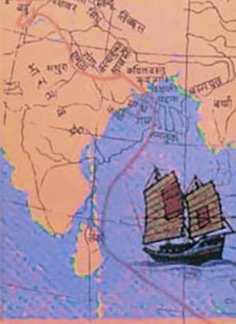
The history of India traces the identification of countries, villages, towns and other regions of India, as well as mythology, zoology, royal dynasties, rulers, tribes, local festivities and traditions and regional languages. Ancient India enjoyed religious freedom and encourages the path of Dharma, a concept common to Buddhism, Hinduism, and Jainism.
Biology (plants and animals)
Source: Google Books: CRC World Dictionary (Regional names)1) Chino in Central America is the name of a plant defined with Bursera simaruba in various botanical sources. This page contains potential references in Ayurveda, modern medicine, and other folk traditions or local practices It has the synonym Elaphrium ovalifolium Schltdl. (among others).
2) Chino in India is also identified with Panicum miliaceum It has the synonym Leptoloma miliacea (L.) Smyth (etc.).
Example references for further research on medicinal uses or toxicity (see latin names for full list):
· Transactions of the Kansas Academy of Science (1913)
· Annales des Sciences Naturelles; Botanique (1846)
· Phytologia (1937)
· Linnaea (1843)
· Flora de Filipinas (1837)
· Botanical Magazine (1937)
If you are looking for specific details regarding Chino, for example pregnancy safety, diet and recipes, side effects, extract dosage, health benefits, chemical composition, have a look at these references.

This sections includes definitions from the five kingdoms of living things: Animals, Plants, Fungi, Protists and Monera. It will include both the official binomial nomenclature (scientific names usually in Latin) as well as regional spellings and variants.
Languages of India and abroad
Nepali dictionary
Source: unoes: Nepali-English DictionaryChino (छिनो):—n. chisel; a long-bladed hand tool with a beveled cutting edge and a plain handle that is struck with a hammer or mallet, used to cut or shape wood, stone, metal, or other hard materials;
Nepali is the primary language of the Nepalese people counting almost 20 million native speakers. The country of Nepal is situated in the Himalaya mountain range to the north of India.
See also (Relevant definitions)
Starts with: Chinobano, Chinophano, Chinounu.
Ends with: Barba de capuchino, Jacote chino, Jocote chino, Machino, Tomate chino, Zacate chino.
Full-text: Jacote chino, Tomate chino, Jocote chino, Zacate chino.
Relevant text
Search found 2 books and stories containing Chino; (plurals include: Chinos). You can also click to the full overview containing English textual excerpts. Below are direct links for the most relevant articles: