Chandojnana, Chandojñāna, Chandas-jnana: 2 definitions
Introduction:
Chandojnana means something in Hinduism, Sanskrit. If you want to know the exact meaning, history, etymology or English translation of this term then check out the descriptions on this page. Add your comment or reference to a book if you want to contribute to this summary article.
Alternative spellings of this word include Chhandojnana.
In Hinduism
Chandas (prosody, study of Sanskrit metres)
Source: Shodhganga: a concise history of Sanskrit Chanda literatureChandojñāna (छन्दोज्ञान) is the name of a text dealing with Sanskrit prosody (chandas) for which no authorship could be traced. Usually the authors mention their names, parentage etc. in the colophon of their works. But there are certain works in which, the author leaves no impression of his identity. The Chandojñāna is mentioned in the “New Catalogus Catalogorum” VII. p. 102.
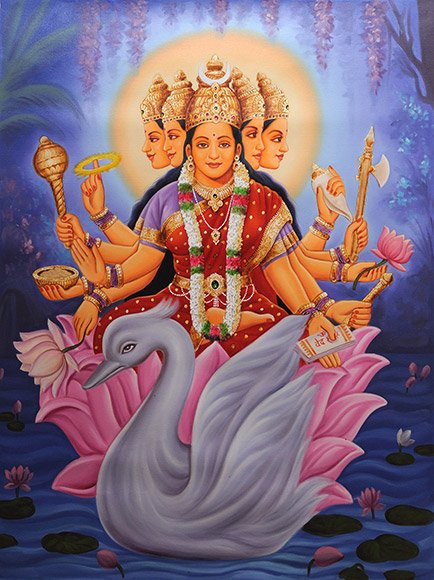
Chandas (छन्दस्) refers to Sanskrit prosody and represents one of the six Vedangas (auxiliary disciplines belonging to the study of the Vedas). The science of prosody (chandas-shastra) focusses on the study of the poetic meters such as the commonly known twenty-six metres mentioned by Pingalas.
Kama-shastra (the science of Love-making)
Source: Shodhganga: Elements of Art and Architecture in the Trtiyakhanda of the Visnudharmottarapurana (kama)Chandojñāna (छन्दोज्ञान) refers to “prosody and rhetoric” and represents one of the “sixty four kinds of Art”, according to the Kāmasūtra of Vātsyāyaṇa.—Indian tradition, basically includes sixty four Art forms are acknowledged. The references of sixty four kinds of kalā are found in the Bhāgavatapurāṇa, Śaiva-Tantras, Kāmasūtra of Vātsyāyaṇa etc.
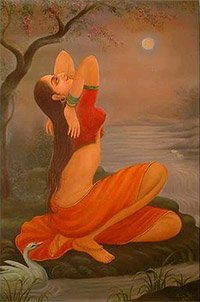
Kamashastra (कामशास्त्र, kāmaśāstra) deals with ancient Indian science of love-making, passion, emotions and other related topics dealing with the pleasures of the senses.
See also (Relevant definitions)
Relevant text
Search found 3 books and stories containing Chandojnana, Chandojñāna, Chandas-jnana, Chando-jnana, Chando-jñāna, Chandas-jñāna; (plurals include: Chandojnanas, Chandojñānas, jnanas, jñānas). You can also click to the full overview containing English textual excerpts. Below are direct links for the most relevant articles:
Vishnudharmottara Purana (Art and Architecture) (by Bhagyashree Sarma)
3. A General Note on Art < [Chapter 1 - Introduction]
Kamashastra Discourse (Life in Ancient India) (by Nidheesh Kannan B.)
7.1. The Sixty-four Fine Arts < [Chapter 5 - Looking for Alternatives: Possibilities in Kāmaśāstra]
Kavyamimamsa of Rajasekhara (Study) (by Debabrata Barai)
Part 5 - Rājaśekhara’s Discussion on Daily Routine < [Chapter 5 - Analyasis and Interpretations of the Kāvyamīmāṃsā]