Cetiyavada, Cetiyavāda, Cetiya-vada: 3 definitions
Introduction:
Cetiyavada means something in Buddhism, Pali. If you want to know the exact meaning, history, etymology or English translation of this term then check out the descriptions on this page. Add your comment or reference to a book if you want to contribute to this summary article.
In Buddhism
Theravada (major branch of Buddhism)
A later offshoot of the Mahasanghika school, through the Pannatti and Bahulika sects of the Gokulikavada (Mhv.v.7; Dpv.v.42; Mbv.96f).
Bhavya, quoted by Rockhill, says that the Caityas received their name from their having dwelt in the Caitya Mountain. Op. Cit., 183; for an account of the Cetiyavadins see de la Vallee Poussins The Five Points of Mahadeva in J.R.A.S., April, 1910, 413ff. Mahadeva is considered as their founder; his points are purely speculative. They are all alleged to have been held also by the Pubbaseliyas.
Theravāda is a major branch of Buddhism having the the Pali canon (tipitaka) as their canonical literature, which includes the vinaya-pitaka (monastic rules), the sutta-pitaka (Buddhist sermons) and the abhidhamma-pitaka (philosophy and psychology).
Languages of India and abroad
Pali-English dictionary
cetiyavāda (စေတိယဝါဒ) [(pu) (ပု)]—
[cetiya+vāda¿]
[စေတိယ+ဝါဒ¿]
[Pali to Burmese]
cetiyavāda—
(Burmese text): စေတိယ ဝါဒဂိုဏ်း။
(Auto-Translation): The Sacred Doctrine.
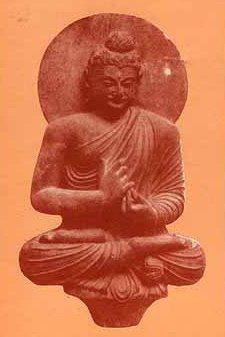
Pali is the language of the Tipiṭaka, which is the sacred canon of Theravāda Buddhism and contains much of the Buddha’s speech. Closeley related to Sanskrit, both languages are used interchangeably between religions.
See also (Relevant definitions)
Partial matches (+0): Cetiya, Vada, Vata.
Full-text (+0): Zhi duo shan bu.
Relevant text
Search found 1 books and stories containing Cetiyavada, Cetiyavāda, Cetiya-vada, Cetiya-vāda; (plurals include: Cetiyavadas, Cetiyavādas, vadas, vādas). You can also click to the full overview containing English textual excerpts. Below are direct links for the most relevant articles:
Amaravati Art in the Context of Andhra Archaeology (by Sreyashi Ray chowdhuri)
Religious background of early Andhra Pradesh < [Chapter 3 - Amarāvatī and the Formative Stage of the Buddhist Art]