byang chub kyi sems rtsal chen gyi rgyud: 1 definition
Introduction:
byang chub kyi sems rtsal chen gyi rgyud means something in Buddhism, Pali. If you want to know the exact meaning, history, etymology or English translation of this term then check out the descriptions on this page. Add your comment or reference to a book if you want to contribute to this summary article.
In Buddhism
Tibetan Buddhism (Vajrayana or tantric Buddhism)
byang chub kyi sems rtsal chen gyi rgyud (བྱང་ཆུབ་ཀྱི་སེམས་རྩལ་ཆེན་གྱི་རྒྱུད) refers to one of the “Eighteen Major Scriptures” of the Mind Series (Semde) according to the Tingkyé [gting skyes] edition of the Nyingma Gyubum [rNying ma'i rgyud 'bum]—a collection of Vajrayana texts reflecting the teachings of the Nyingma school of Tibetan Buddhism.—The gTing skyes has texts belonging to the early exegetical tradition preceding the actual root texts of the Eighteen, while in mTshams brag the order is reversed. The Eighteen Texts in this edition are, [e.g., byang chub kyi sems rtsal chen gyi rgyud]
The [byang chub kyi sems rtsal chen gyi rgyud] text is also mentioned in the following sources: The [rig 'dzin tshe dbang nor bu] edition of the Nyingma Gyubum—The [rig 'dzin] is believed to have been produced in the late 18th century by followers of the lineage of Rig 'dzin Tshe dbang nor bu, in the border regions of southern Tibet and Nepal.
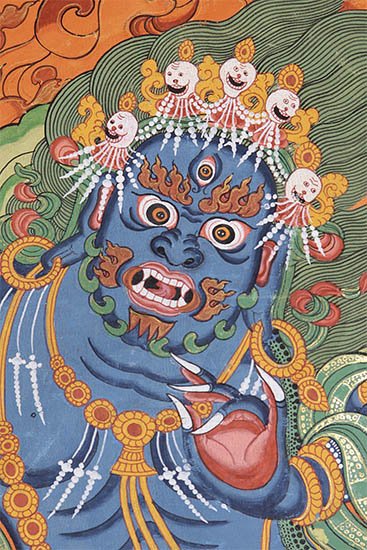
Tibetan Buddhism includes schools such as Nyingma, Kadampa, Kagyu and Gelug. Their primary canon of literature is divided in two broad categories: The Kangyur, which consists of Buddha’s words, and the Tengyur, which includes commentaries from various sources. Esotericism and tantra techniques (vajrayāna) are collected indepently.
See also (Relevant definitions)
Partial matches (+0): Kyi, byang, sems, rgyud, Cen, Chen.
Full-text (+0): Eighteen major scriptures.
Relevant text
No search results for byang chub kyi sems rtsal chen gyi rgyud; (plurals include: byang chub kyi sems rtsal chen gyi rgyuds) in any book or story.