Brimhita, Bṛṃhita: 9 definitions
Introduction:
Brimhita means something in Hinduism, Sanskrit. If you want to know the exact meaning, history, etymology or English translation of this term then check out the descriptions on this page. Add your comment or reference to a book if you want to contribute to this summary article.
The Sanskrit term Bṛṃhita can be transliterated into English as Brmhita or Brimhita, using the IAST transliteration scheme (?).
In Hinduism
Shaivism
Bṛṃhita (बृंहित) refers to “(being) nourished” (by one’s own Śakti), according to the Netratantra of Kṣemarāja: a Śaiva text from the 9th century in which Śiva (Bhairava) teaches Pārvatī topics such as metaphysics, cosmology, and soteriology.—Accordingly, [verse 22.5-10ab]—“Listen! I will speak to the question that remains in your heart. All the innumerable Mantras, on all occasions, have the majesty of Śiva and Śakti, all are endowed with Śakti, all grant rewards and liberation, and [all] are nourished by one’s own Śakti (svaśakti-bala-bṛṃhita). However, the highest Deva is tranquil, in possession of imperceptible guṇas, [namely] Śiva who consists of all, who is pure, and who is to be understood as unsurpassed. [...]
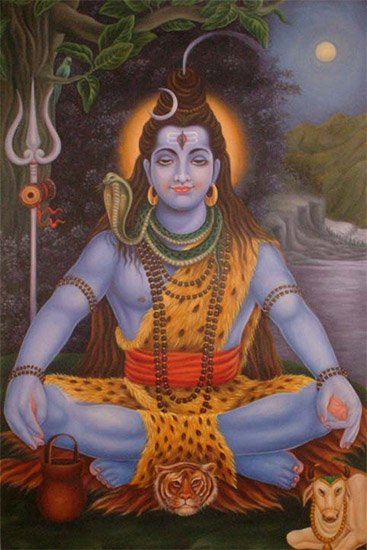
Shaiva (शैव, śaiva) or Shaivism (śaivism) represents a tradition of Hinduism worshiping Shiva as the supreme being. Closely related to Shaktism, Shaiva literature includes a range of scriptures, including Tantras, while the root of this tradition may be traced back to the ancient Vedas.
Ayurveda (science of life)
Veterinary Medicine (The study and treatment of Animals)
Bṛṃhita (बृंहित) refers to the “trumpeting roar” (of an elephant), according to the 15th century Mātaṅgalīlā composed by Nīlakaṇṭha in 263 Sanskrit verses, dealing with elephantology in ancient India, focusing on the science of management and treatment of elephants.—[Cf. chapter 2, “on favorable marks”]: “5. With large, long, round necks, trumpeting with a roar (nināda-bṛṃhita) like clouds full of water [sajalāmbhodaninādabṛṃhitāḥ], with sparrow-like honey-colored eyes, with trunks like tree stems and marked with three folds (wrinkles), such elephants are fine”.
Āyurveda (आयुर्वेद, ayurveda) is a branch of Indian science dealing with medicine, herbalism, taxology, anatomy, surgery, alchemy and related topics. Traditional practice of Āyurveda in ancient India dates back to at least the first millenium BC. Literature is commonly written in Sanskrit using various poetic metres.
Languages of India and abroad
Sanskrit dictionary
Bṛṃhita (बृंहित).—p. p.
1) Grown, increased; सा मदागमनबृंहिततोषा (sā madāgamanabṛṃhitatoṣā) Bv.2.19.
2) Roared &c.
3) Cherished, nourished.
-tam The roaring of an elephant; गजानां बृंहितैः सार्धम् (gajānāṃ bṛṃhitaiḥ sārdham) Rām.6.42.4; मन्द्रैर्गजानां रथमण्डलस्वनैर्निजुह्नुवे तादृशमेव बृंहितम् (mandrairgajānāṃ rathamaṇḍalasvanairnijuhnuve tādṛśameva bṛṃhitam) Śiśupālavadha 12.85; Kirātārjunīya 7.39.
Bṛṃhita (बृंहित).—1. [adjective] strengthened, increased by or furnished with.
--- OR ---
Bṛṃhita (बृंहित).—2. [neuter] roaring.
1) Bṛṃhita (बृंहित):—[from bṛṃh] 1. bṛṃhita mfn. (for 2. See under √4. bṛh) strengthened, nourished, cherished, grown, increased, [Mahābhārata; Harivaṃśa] etc.
2) Bṛṃhitā (बृंहिता):—[from bṛṃhita > bṛṃh] f. Name of one of the Mātṛs attendant on Skanda, [Mahābhārata]
3) Bṛṃhita (बृंहित):—[from bṛṃh] ([varia lectio] bṛṃhilā).
4) [from bṛṃh] 2. bṛṃhita n. (for 1. See under √2. bṛh) the roar or noise made by elephants, [Mahābhārata; Kāvya literature etc.]
Bṛṃhitā (बृंहिता):—(ed. Bomb.) und bṛṃhilā (ed. Calc.) f. Nomen proprium einer der 7 Mütter des Skanda [Mahābhārata 3, 14396.]
Bṛṃhita (बृंहित):——
1) n. das Gebrülle des Elephanten [Indische sprüche 7634.] des Löwen [Harṣacarita 55,11.] —
2) f. ā Nomen proprium einer der Mütter im Gefolge Skanda’s [Mahābhārata 3,228,10.]
Bṛṃhita (बृंहित) in the Sanskrit language is related to the Prakrit word: Biṃhia.
Sanskrit, also spelled संस्कृतम् (saṃskṛtam), is an ancient language of India commonly seen as the grandmother of the Indo-European language family (even English!). Closely allied with Prakrit and Pali, Sanskrit is more exhaustive in both grammar and terms and has the most extensive collection of literature in the world, greatly surpassing its sister-languages Greek and Latin.
Kannada-English dictionary
Bṛṃhita (ಬೃಂಹಿತ):—[noun] the loud deep sound, made by an elephant.
Kannada is a Dravidian language (as opposed to the Indo-European language family) mainly spoken in the southwestern region of India.
See also (Relevant definitions)
Starts with (+0): Brimhitamgey.
Full-text (+0): Paribrimhita, Ninadabrimhita, Brimhite, Karigarjita, Brimhila, Bimhia, Parivirukitam, Upabrimhita, Brih, Barh, Brimh, Brimhayitar, Vrimhayitar, Svashakti.
Relevant text
Search found 8 books and stories containing Brimhita, Bṛṃhita, Brmhita, Bṛṃhitā, Bṛmhita; (plurals include: Brimhitas, Bṛṃhitas, Brmhitas, Bṛṃhitās, Bṛmhitas). You can also click to the full overview containing English textual excerpts. Below are direct links for the most relevant articles:
Taittiriya Upanishad Bhashya Vartika (by R. Balasubramanian)
Verse 2.257 < [Book 2 - Brahmavallī]
Agriculture and Animal husbandry in the Puranas (by Purboshri Borpuzari)
Part 14 - The Elephant in the Purāṇas < [Chapter 4 - Animal husbandry in the Purāṇas]
Kautilya Arthashastra (by R. Shamasastry)
Chapter 30 - The Superintendent of Horses < [Book 2 - The duties of Government Superintendents]
Manasollasa (study of Arts and Sciences) (by Mahadev Narayanrao Joshi)
2.6. Element of the Fort and Army (Durga and Bala) < [Chapter 2 - Treatment of Political Theory and State Administration]
Sanskrit Inscriptions of Thailand (by Satya Vrat Shastri)
"Exploring Ayurvedic 'prameha' (diabetes) and its ancient-modern links." < [Volume 2 (issue 1), Jul-Sep 1982]