Bhrigutunga, Bhṛgutuṅga: 8 definitions
Introduction:
Bhrigutunga means something in Hinduism, Sanskrit. If you want to know the exact meaning, history, etymology or English translation of this term then check out the descriptions on this page. Add your comment or reference to a book if you want to contribute to this summary article.
The Sanskrit term Bhṛgutuṅga can be transliterated into English as Bhrgutunga or Bhrigutunga, using the IAST transliteration scheme (?).
In Hinduism
Purana and Itihasa (epic history)
Bhṛgutuṅga (भृगुतुङ्ग).—A peak on which the sage Bhṛgu performed tapas. Ṛcīka had lived there with his wife and children. (Vālmīki Rāmāyaṇa, Bālakāṇḍa, 61st Sarga).
Bhṛgutuṅga (भृगुतुङ्ग).—A place fit for śrāddha; sacred to the Piṭrs;1 Yayāti spent the evening of his life there.2
- 1) Brahmāṇḍa-purāṇa III. 13. 88; Matsya-purāṇa 22. 31; Vāyu-purāṇa 23. 148; 77. 82.
- 2) Brahmāṇḍa-purāṇa III. 14. 83; 68. 104; Vāyu-purāṇa 93. 102.
Bhṛgutuṅga (भृगुतुङ्ग) refers to the name of a Mountain or Tīrtha (pilgrim’s destination) mentioned in the Mahābhārata (cf. III.82.45, III.88.20). Note: The Mahābhārata (mentioning Bhṛgutuṅga) is a Sanskrit epic poem consisting of 100,000 ślokas (metrical verses) and is over 2000 years old.

The Purana (पुराण, purāṇas) refers to Sanskrit literature preserving ancient India’s vast cultural history, including historical legends, religious ceremonies, various arts and sciences. The eighteen mahapuranas total over 400,000 shlokas (metrical couplets) and date to at least several centuries BCE.
Shaivism
Bhṛgutuṅga (भृगुतुङ्ग) is associated with Bhairava, one of the “seven Bhairavas”, according to the Vārāṇasīmāhātmya 1.53-54.—Cf. The “eight Bhairavas” (originating from the blood of Andhaka when Śiva strikes him correspond with a set of eight Bhairavas), according to the Vāmanapurāṇa 44.23-38ff.
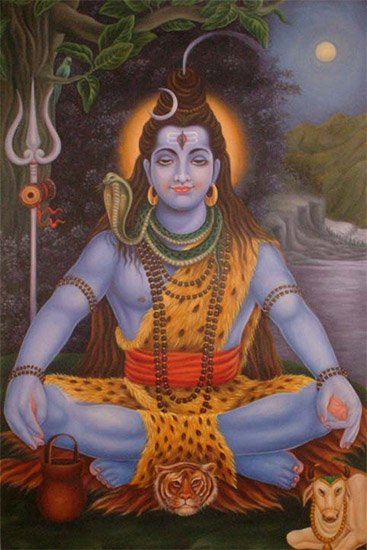
Shaiva (शैव, śaiva) or Shaivism (śaivism) represents a tradition of Hinduism worshiping Shiva as the supreme being. Closely related to Shaktism, Shaiva literature includes a range of scriptures, including Tantras, while the root of this tradition may be traced back to the ancient Vedas.
Languages of India and abroad
Sanskrit dictionary
Bhṛgutuṅga (भृगुतुङ्ग).—[masculine] [Name] of a sacred mountain.
Bhṛgutuṅga (भृगुतुङ्ग):—[=bhṛgu-tuṅga] [from bhṛgu] m. ‘Bh°’s peak’, Name of a sacred mountain in the Himālaya (or in the Vindhya ; also called bhṛgos t, [Rāmāyaṇa]), [Mahābhārata; Harivaṃśa; Rāmāyaṇa]
Bhṛgutuṅga (भृगुतुङ्ग):—[(bhṛgu + tuṅga)] m. Bhṛgu’s Berg, Nomen proprium eines im Rufe grosser Heiligkeit stehenden Berges im Himālaya, [Mahābhārata.1,3181. 7813.3,8028. 8394. 10698. 11945. 13,1705.] [Harivaṃśa 1647.] [Rāmāyaṇa.1,61,11.] [Oxforder Handschriften 52,b,11.] bhṛgostuṅgaḥ [Rāmāyaṇa 4, 44, 20.] — Vgl. bhṛguprasravaṇa .
Bhṛgutuṅga (भृगुतुङ्ग):—m. Nomen proprium eines im Rufe grosser Heiligkeit stehenden Berges im Himālaya (oder im Vindhya) [Viṣṇusūtra 85,16.]
Sanskrit, also spelled संस्कृतम् (saṃskṛtam), is an ancient language of India commonly seen as the grandmother of the Indo-European language family (even English!). Closely allied with Prakrit and Pali, Sanskrit is more exhaustive in both grammar and terms and has the most extensive collection of literature in the world, greatly surpassing its sister-languages Greek and Latin.
See also (Relevant definitions)
Partial matches (+0): Bhrigu, Tunga.
Full-text (+0): Tunganatha, Bhriguprasravana, Tungaka, Bhrigu, Ashtabhairava, Tunga.
Relevant text
Search found 18 books and stories containing Bhrigutunga, Bhṛgu-tuṅga, Bhrgu-tunga, Bhṛgutuṅga, Bhrgutunga, Bhrigu-tunga; (plurals include: Bhrigutungas, tuṅgas, tungas, Bhṛgutuṅgas, Bhrgutungas). You can also click to the full overview containing English textual excerpts. Below are direct links for the most relevant articles:
Shiva Purana [sanskrit/english]
Skanda Purana (by G. V. Tagare)
Chapter 230 - The Series of Tīrthas Enumerated < [Section 3 - Revā-khaṇḍa]
Chapter 55 - Kāśīrāja Attains Mokṣa < [Section 3 - Revā-khaṇḍa]
Chapter 74 - Rājasthaleśvara (rājasthala-īśvara-liṅga) < [Section 2 - Caturaśīti-liṅga-māhātmya]
List of Mahabharata people and places (by Laxman Burdak)
Garuda Purana (by Manmatha Nath Dutt)
Chapter LXXXI - A brief description of holy pools and sanctuaries < [Agastya Samhita]
Linga Purana (by J. L. Shastri)
Chapter 67 - The Narrative of Yayāti (continued) < [Section 1 - Uttarabhāga]
Chapter 24 - Incarnations of Śiva < [Section 1 - Uttarabhāga]
Ramayana of Valmiki (Shastri) (by Hari Prasad Shastri)
Chapter 61 - King Ambarisha’s sacrificial horse is lost < [Book 1 - Bala-kanda]