Bhojadeva, Bhoja-deva: 10 definitions
Introduction:
Bhojadeva means something in Hinduism, Sanskrit, the history of ancient India. If you want to know the exact meaning, history, etymology or English translation of this term then check out the descriptions on this page. Add your comment or reference to a book if you want to contribute to this summary article.
Images (photo gallery)

In Hinduism
Shaktism
Bhojadeva (भोजदेव) refers to one of the Sixteen Siddhas according to the Kubjikānityāhnikatilaka: a derative text drawing from Tantras and other sources such as the Ṣaṭsāhasrasaṃhitā.—These sixteen spiritual teachers represent the disciples of the Nine Nāthas who propagated the Western Transmission noted in the Kubjikā Tantras. According to the lunar symbolism of the Kulakaulinīmata, these these sixteen teachers are the rays of the moon. According to the Ambāmatasaṃhitā, the sixteen great Siddhas [e.g., Bhojadeva] have authority in Koṃkaṇa; and it is further stated that the Kaulika (tradition) with sixteen lineages originated in the Deccan (dakṣiṇāpatha).
Bhojadeva is the Caryā name of this Nātha (i.e., the public name the Siddha uses when living as a wandering renouncer). He is also known as Bhūrjadeva. Bhojadeva is further associated with the following: (1) Birth place: Ayodhyā (alternatively, Bhogavardhana); (2) Caste: Śūdra (alternatively, Kṣatriya, Brahmin); (3) Name at birth: Rājāditya (alternatively, his birth-name is Mitranātha and his father is Durjaya); (4) Prasiddha or famed name: Nandasphoṭa; (5) Gopya or secret name: Sahajānanda; (6) Prapūjya or worship-name: Vyaktānanda (or Manonmanānanda, Magha/Unmatta, Mahantānanda); (7) Consorts: Vyaktāmbā, Madanāhlādinī, Dīptāmbā, Manohlādāmbā.
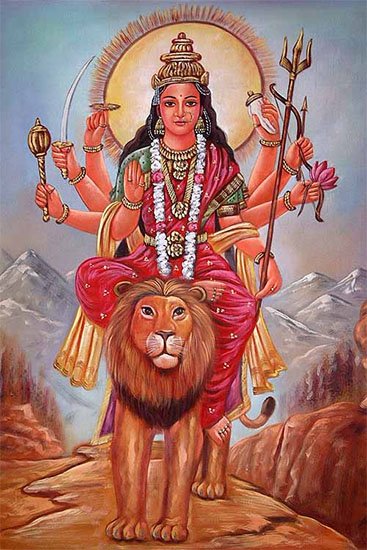
Shakta (शाक्त, śākta) or Shaktism (śāktism) represents a tradition of Hinduism where the Goddess (Devi) is revered and worshipped. Shakta literature includes a range of scriptures, including various Agamas and Tantras, although its roots may be traced back to the Vedas.
India history and geography
Bhojadeva is the name of an ancient Raja (king of Nepal) from the Thakuri (or Rajput) dynasty, mentioned in the list of “Rajas of Nepal from the time of Ne Muni”, as extracted from the translation of the Vanshavali or Bansawali (“history and genealogical accounts of Nepal”).—Note: This list has been carefully revised and collated with the original manuscript, and gives the most correct forms of the royal names (e.g., Bhojadeva). The reader should compare it with the list in Thomas’s edition of Prinsep’s Essays on Indian Antiquities, Vol. II., pp. 268-271.
1) Bhojadeva I or simply Bhoja I is the son of Mārasiṃha: a king from the Śilāhāra dynasty mentioned in the “Tālale plates of Gaṇḍarāditya ”. Accordingly, “The younger borther of Gūvaladeva II was Bhojadeva (I), the source of all blessed things, an ornament to the rulers of the world, whose long arm gave refuge to the wives of eminent warriors, and who was a thunderbolt to the mountains that were the heads of fierce foes”.
2) Bhojadeva II is mentioned as the son of king Vijaya (i.e. Vijayāditya), according to the “Kolhāpur stone inscriptions of Bhoja II”. Accordingly, “Victorious is king Bhojadeva (II), the son of Vijaya (i.e. Vijayāditya), the sun that dispels the frost in the form of his enemies... ”
Bhojadeva (भोजदेव) is the name of a Poet mentioned in the 13th century Saduktikarṇāmrita by Śrīdhara Dāsa (son of Vaṭu Dāsa) who was a chief over several districts (called a mahāmaṇḍalika).—The Sadukti-Karnamrita is a collection of miscellaneous verses by different authors and on various subjects, five verses being devoted to each subject. There are 446 poets identified (for example, Bhojadeva) some of which in the feminine gender (intended for females) while others are of Buddhist monks etc.
The history of India traces the identification of countries, villages, towns and other regions of India, as well as mythology, zoology, royal dynasties, rulers, tribes, local festivities and traditions and regional languages. Ancient India enjoyed religious freedom and encourages the path of Dharma, a concept common to Buddhism, Hinduism, and Jainism.
Languages of India and abroad
Sanskrit dictionary
Bhojadeva (भोजदेव).—king Bhoja; धन्यः श्रीभोजराजस्त्रिभुवनविजयी (dhanyaḥ śrībhojarājastribhuvanavijayī) Udb; see (1) above.
Derivable forms: bhojadevaḥ (भोजदेवः).
Bhojadeva is a Sanskrit compound consisting of the terms bhoja and deva (देव). See also (synonyms): bhojarāja.
Bhojadeva (भोजदेव).—[masculine] [Name] of a king.
1) Bhojadeva (भोजदेव) as mentioned in Aufrecht’s Catalogus Catalogorum:—or bhoja son of Sindhula, king of Dhārā. He is mentioned by Daśabala Oxf. 328^a, by Śūlapāṇi in Prāyaścittaviveka Oxf. 283^a, by Allāḍanātha W. p. 332, by Raghunandana. Compare Dhāreśvara. As a medical writer he is quoted in the Bhāvaprakāśa Oxf. 311^b, in Mādhava’s Rugviniścaya Oxf. 314^b, as an astronomer by Keśvārka Oxf. 336^b. As a grammarian and lexicographer he is noticed by Kṣīrasvāmin, Sāyaṇa, and Mahīpa Oxf. 352^a. He is praised by the poets Chittapa, Deveśvara, Vināyaka, Śaṅkara, Sarasvatīkuṭumbaduhitṛ. Verses are attributed to him in Śp. p. 67. [Sūktikarṇāmṛta by Śrīdharadāsa] It is almost superfluous to add that not one of the following works were actually written by himself, but belong to authors who either lived during his reign, or some time after: Ādityapratāpasiddhānta jy. Āyurvedasarvasva med. Campūrāmāyaṇa. Cāṇakyanīti (?). Bp. 262. Cārucaryā [dharma] Tattvaprakāśa, śaiva. Nāmamālikā lex. Yuktikalpataru. Rājamārtaṇḍa Yogasūtravṛtti.
—vedānta (?). K. 128
—jy. Rājamṛgāṅka jy. and med. Vidyāvinoda, kāvya. Vidvajjanavallabha Praśnajñāna jy. Viśrāntavidyāvinoda med. Vyavahārasamuccaya [dharma] Śabdānuśāsana. Śālihotra. Śivatattvaratnakalikā. Samarāṅgaṇasūtradhāra archit. Sarasvatīkaṇṭhābharaṇa alaṃk. Siddhāntasaṃgraha, śaiva. Subhāṣitaprabandha.
Bhojadeva has the following synonyms: Bhojarāja.
2) Bhojadeva (भोजदेव):—son of Bhāramalla, king of Kacha: Dharmapradīpa.
3) Bhojadeva (भोजदेव):—king of Dhārā: Praśnacintāmaṇi Vidvajjanavallabha. Bhojarājavārttika. Quoted by Vācaspatimiśra in Tattvakaumudī.
Bhojadeva has the following synonyms: Bhojarāja.
4) Bhojadeva (भोजदेव):—Siddhāntasārapaddhati [tantric]
1) Bhojadeva (भोजदेव):—[=bhoja-deva] [from bhoja > bhoga] m. Name of a celebrated king of Dhārā (who was a great patron of learning at the beginning of the 11th century, and is the reputed author of sub voce works., [especially] of a [commentator or commentary] on the Yoga-sūtras cf. [Indian Wisdom, by Sir M. Monier-Williams 92 n. 2; 532 etc.]), [Manu-smṛti; Manvarthamuktāvalī, kullūka bhaṭṭa’s Commentary on manu-smṛti; Gīta-govinda] etc.
2) [v.s. ...] of a king of Kaccha, [Catalogue(s)]
Bhojadeva (भोजदेव):—[(bhoja + deva)] m. König Bhoja, Beherrscher von Dhārā am Anfange des [11ten] Jahrh. n. Chr., angeblicher Verfasser verschiedener Werke, [Mémoire géographique 261. 282.] [Gītagovinda 12,30.] [Oxforder Handschriften 101,a,35. 124,a,46. 208,a, No. 489. 229,a, No. 561. 283,a,31. 292,a,48.] Inschr. in [Journ. of the Am. Or. S.7,25, Śloka 5.] [Kullūka] zu [Manu’s Gesetzbuch 8,184.] śabdānuśāsana n. [UJJVAL.] zu [Uṇādisūtra 1, 92.] Bhojadeva mit dem Beiname Vupya [Rājataraṅgiṇī 7, 1538 u.s.w.]
Bhojadeva (भोजदेव):—m. Nomen proprium eines Fürsten. śabdānuśāsana n. Titel eines Werkes.
Sanskrit, also spelled संस्कृतम् (saṃskṛtam), is an ancient language of India commonly seen as the grandmother of the Indo-European language family (even English!). Closely allied with Prakrit and Pali, Sanskrit is more exhaustive in both grammar and terms and has the most extensive collection of literature in the world, greatly surpassing its sister-languages Greek and Latin.
See also (Relevant definitions)
Partial matches (+0): Bhoja, Deva.
Starts with (+0): Bhojadevashabdanushasana.
Full-text (+94): Bhojaraja, Bhojadevashabdanushasana, Bhojanarendra, Rajamartanda, Sarasvatikanthabharana, Paramara, Bhojanripati, Bhoja, Vriddha bhoja, Rajamriganka, Vidvajjanavallabha, Tatparyadipika, Samaranganasutradhara, Shivatattvaprakashika, Siddhantasarapaddhati, Rajadeva, Vishrantavidyavinoda, Vyaktamba, Madanahladini, Diptamba.
Relevant text
Search found 48 books and stories containing Bhojadeva, Bhoja-deva; (plurals include: Bhojadevas, devas). You can also click to the full overview containing English textual excerpts. Below are direct links for the most relevant articles:
Shringara-manjari Katha (translation and notes) (by Kumari Kalpalata K. Munshi)
Part 1 - Introduction to the Shringaramanjari-katha of Shri Bhojadeva < [Introduction to the Shringaramanjari-katha of Shri Bhojadeva]
Part 5 - The purpose of the Srngaramanjari-katha < [Introduction to the Shringaramanjari-katha of Shri Bhojadeva]
Part 2 - Regarding the author: Shri Bhojadeva < [Introduction to the Shringaramanjari-katha of Shri Bhojadeva]
Notices of Sanskrit Manuscripts (by Rajendralala Mitra)
Studies in Indian Literary History (by P. K. Gode)
32. Vyavaharamanjari, an unknown work of Bhojaraja on Dharmashastra < [Volume 1 (1945)]
16. Chronology of Dharmapradipa and Bhojavyakarana < [Volume 3 (1956)]
68. Godavaramisra of Orissa and his Works < [Volume 1 (1945)]
Society as depicted in the Chaturbhani (study) (by Mridusmita Bharadwaj)
Part 3.1 - Date and life of Īśvaradatta < [Chapter 3 - introduction to the Bhāṇas of the Caturbhāṇī]
Part 2.4 - Characters of the Padmaprābhṛtaka < [Chapter 3 - introduction to the Bhāṇas of the Caturbhāṇī]
Impact of Vedic Culture on Society (by Kaushik Acharya)
Mingling of Cultures (K): The Gurjara Pratihāras < [Chapter 4]
4. Religious Aspect of Dāna < [Chapter 2]
Sanskrit Inscriptions (K): The Paramāras < [Chapter 3]
Yoga-sutra with Bhashya Vivarana (study) (by Susmi Sabu)
Commentaries on Yogasutra < [Chapter 2 - Origin and Development of Yoga Philosophy]