Bhavatita, Bhāvātīta, Bhava-atita: 1 definition
Introduction:
Bhavatita means something in Hinduism, Sanskrit. If you want to know the exact meaning, history, etymology or English translation of this term then check out the descriptions on this page. Add your comment or reference to a book if you want to contribute to this summary article.
In Hinduism
Shaktism (Shakta philosophy)
Source: Google Books: ManthanabhairavatantramBhāvātīta (भावातीत) refers to “(the reality) beyond being”, according to the Manthānabhairavatantra, a vast sprawling work that belongs to a corpus of Tantric texts concerned with the worship of the goddess Kubjikā.—Accordingly, “[...] Liberation [i.e., mokṣa] is the plane beyond (the differentiated) energies (kalātīta-pada). One should contemplate it constantly at the end of power (śaktyanta, that is, the Transmental). (The reality) beyond being (bhāvātīta) is incomparable. It is the great ocean within the End of the Twelve. It is taught to be the Western Tradition, the House that is said to be the City of the Moon (Candrapura). [...]”.
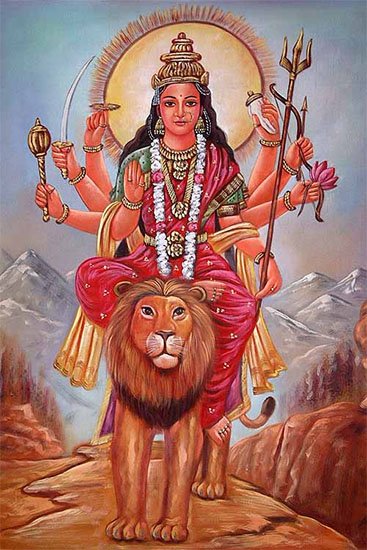
Shakta (शाक्त, śākta) or Shaktism (śāktism) represents a tradition of Hinduism where the Goddess (Devi) is revered and worshipped. Shakta literature includes a range of scriptures, including various Agamas and Tantras, although its roots may be traced back to the Vedas.
See also (Relevant definitions)
Partial matches: Atita, Bhava.
Full-text: Mahodadhi, Nirdishta, Moksha, Kalatita, Shaktyanta, Anaupamya.
Relevant text
No search results for Bhavatita, Bhāvātīta, Bhava-atita, Bhāva-atīta; (plurals include: Bhavatitas, Bhāvātītas, atitas, atītas) in any book or story.