Atyukta, Atyuktā: 8 definitions
Introduction:
Atyukta means something in Hinduism, Sanskrit. If you want to know the exact meaning, history, etymology or English translation of this term then check out the descriptions on this page. Add your comment or reference to a book if you want to contribute to this summary article.
In Hinduism
Natyashastra (theatrics and dramaturgy)
1) Atyuktā (अत्युक्ता) refers to a class of rhythm-type (chandas) containing two syllables in a pāda (‘foot’ or ‘quarter-verse’), according to the Nāṭyaśāstra chapter 15. There are twenty-six classes of chandas and out of them arise the various syllabic meters (vṛtta), composed of four pādas, defining the pattern of alternating light and heavy syllables.
2) Atyuktā (अत्युक्ता) is the name of a meter belonging to the Vṛtta (syllabic) class of Dhruvā (songs) described in the Nāṭyaśāstra chapter 32:—“The metre which has all syllables long in all its feet of two syllables, is atyuktā”.
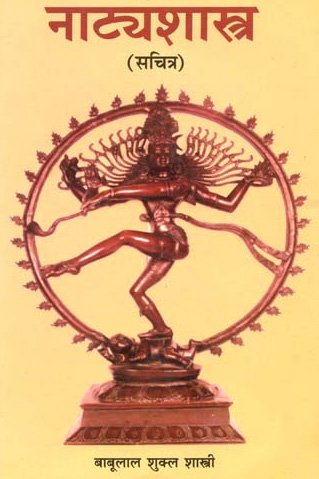
Natyashastra (नाट्यशास्त्र, nāṭyaśāstra) refers to both the ancient Indian tradition (shastra) of performing arts, (natya—theatrics, drama, dance, music), as well as the name of a Sanskrit work dealing with these subjects. It also teaches the rules for composing Dramatic plays (nataka), construction and performance of Theater, and Poetic works (kavya).
Languages of India and abroad
Sanskrit dictionary
Atyuktā (अत्युक्ता).—[uktā-kthā ekākṣarapādā vṛttiḥ, tām atikrāntā] Name of a class of metres of 4 lines, each of 2 syllables.
See also (synonyms): atyukthā.
Atyuktā (अत्युक्ता):—[=aty-uktā] f. Name of a class of metres (of four lines, each containing two syllables).
Atyuktā (अत्युक्ता):—[tatpurusha compound] f.
(-ktā) The name of a class of metres, regulated by number and quantity; it consists of a stanza of four lines with two syllables in each line and comprises four varieties. (See
1) strī or kāma,
2) rati or mahī,
3) sāru,
4) madhu.) Also called atyukthā. E. ati (sc. krāntā) and uktā, another class of metres (in the sense of the accusative).
Atyukta (अत्युक्त):—n. und atyuktā f. (ati + u) ein best. Metrum [Weber’s Indische Studien 8. 283. fg.] atyukthā [285, Nalopākhyāna]
Atyukta (अत्युक्त):—n. und atyuktā f. ein best. Metrum.
Sanskrit, also spelled संस्कृतम् (saṃskṛtam), is an ancient language of India commonly seen as the grandmother of the Indo-European language family (even English!). Closely allied with Prakrit and Pali, Sanskrit is more exhaustive in both grammar and terms and has the most extensive collection of literature in the world, greatly surpassing its sister-languages Greek and Latin.
Kannada-English dictionary
Atyukta (ಅತ್ಯುಕ್ತ):—[noun] = ಅತ್ಯುಕ್ತೆ [atyukte].
Kannada is a Dravidian language (as opposed to the Indo-European language family) mainly spoken in the southwestern region of India.
Nepali dictionary
Atyukta (अत्युक्त):—adj. exaggerated;
Nepali is the primary language of the Nepalese people counting almost 20 million native speakers. The country of Nepal is situated in the Himalaya mountain range to the north of India.
See also (Relevant definitions)
Full-text (+0): Atyuktha, Atyukt, Atiyuktam, Gopuccha, Shayyagata, Chandas.
Relevant text
Search found 6 books and stories containing Atyukta, Aty-ukta, Aty-uktā, Atyuktā; (plurals include: Atyuktas, uktas, uktās, Atyuktās). You can also click to the full overview containing English textual excerpts. Below are direct links for the most relevant articles:
Vritta-ratnakara by Kedara Bhatta (English translation) (by Mawatagama Pemananda Thero)
Part 2 - Atyukta Chandas (varna, bheda) < [Third Adhyaya (Chapter 3)—Samavritta-adhikara (syllabic even metres)]
Part 19-21 - Varnachandas Prabhedanama < [First Adhyaya (Chapter 1)—Samjna (Prosodic Designations)]
Agni Purana (by N. Gangadharan)
Narada Purana (English translation) (by G. V. Tagare)
Chapter 57 - The Description of Prosody (Candas) < [Part 2 - Pūrva-bhāga: Dvitīya-pāda]
Natyashastra (English) (by Bharata-muni)
Chapter XXXII - The Dhruvā Songs
Chapter XV - Verbal representation (vācika) and Prosody (chandaḥśāstra)
Skanda Purana (by G. V. Tagare)
Chapter 36 - Glorification of the Boar Incarnation (of Viṣṇu) < [Section 1 - Veṅkaṭācala-māhātmya]
Journal of Ayurveda and Integrated Medical Sciences
Ajirna: An Ayurvedic perspective on Indigestion < [Vol. 10 No. 1 (2025)]