Ashtashra, Ashta-ashra, Aṣṭāśra, Ashtasra, Aṣṭāsra, Ashtan-asra: 5 definitions
Introduction:
Ashtashra means something in Hinduism, Sanskrit. If you want to know the exact meaning, history, etymology or English translation of this term then check out the descriptions on this page. Add your comment or reference to a book if you want to contribute to this summary article.
The Sanskrit terms Aṣṭāśra and Aṣṭāsra can be transliterated into English as Astasra or Ashtashra or Ashtasra, using the IAST transliteration scheme (?).
In Hinduism
Vastushastra (architecture)
Aṣṭāśra (अष्टाश्र):—The Sanskrit name for a classification of a ‘temple’, according to the 2nd century Matsyapurāṇa and the Viśvakarmaprakāśa, both featuring a list of 20 temple types. This list represents the classification of temples in South-India.
Aṣṭāśra is found in another list in the Samarāṅgaṇasūtradhāra, chapter 63, where it is listed in the group named Nāgara, containing 20 different prāsādas (temples/buildings).
Aṣṭāśra (अष्टाश्र) refers to “see kairava aṣṭāśra.”.—(For paragraphs cf. Les enseignements architecturaux de l'Ajitāgama et du Rauravāgama by Bruno Dagens)
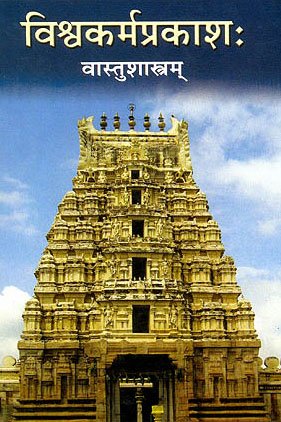
Vastushastra (वास्तुशास्त्र, vāstuśāstra) refers to the ancient Indian science (shastra) of architecture (vastu), dealing with topics such architecture, sculpture, town-building, fort building and various other constructions. Vastu also deals with the philosophy of the architectural relation with the cosmic universe.
Languages of India and abroad
Sanskrit dictionary
Aṣṭāsra (अष्टास्र).—an octagon.
Derivable forms: aṣṭāsram (अष्टास्रम्).
Aṣṭāsra is a Sanskrit compound consisting of the terms aṣṭan and asra (अस्र).
--- OR ---
Aṣṭāsra (अष्टास्र).—A kind of single-storeyed building octangular in plan.
Derivable forms: aṣṭāsraḥ (अष्टास्रः).
Aṣṭāsra is a Sanskrit compound consisting of the terms aṣṭan and asra (अस्र).
Aṣṭāsra (अष्टास्र).—n.
(-sraṃ) An octagon. E. aṣṭa and asra angle.
Aṣṭāsra (अष्टास्र):—(sraṃ) 1. n. An octagon.
Sanskrit, also spelled संस्कृतम् (saṃskṛtam), is an ancient language of India commonly seen as the grandmother of the Indo-European language family (even English!). Closely allied with Prakrit and Pali, Sanskrit is more exhaustive in both grammar and terms and has the most extensive collection of literature in the world, greatly surpassing its sister-languages Greek and Latin.
See also (Relevant definitions)
Partial matches (+0): Ashta, Asra, Ashri.
Starts with (+0): Ashtashraddhavidhanavidhi, Ashtashrakunda, Ashtashravana, Ashtashravas.
Full-text (+0): Kairavashtashra, Shikhara, Nagara, Prasada, Kamada.
Relevant text
Search found 15 books and stories containing Ashtashra, Ashta-ashra, Ashtan-asra, Ashtasra, Asta-asra, Aṣṭa-aśra, Asta-asri, Aṣṭa-aśri, Aṣṭan-asra, Astan-asra, Aṣṭāśra, Astasra, Aṣṭāsra; (plurals include: Ashtashras, ashras, asras, Ashtasras, aśras, asris, aśris, Aṣṭāśras, Astasras, Aṣṭāsras). You can also click to the full overview containing English textual excerpts. Below are direct links for the most relevant articles:
Majjhima Nikaya (Middle Discourses)
Discourse 123: Incredible and Amazing < [Suññata-vagga: The Chapter Beginning with Emptiness]
Mayamata and Building Construction (study) (by Ripan Ghosh)
Part 7.2 - Stambha-bheda (various kinds of columns) < [Chapter 4 - Pre-arrangement of Building Construction]
Architectural data in the Puranas (by Sharda Devi)
The different types of Temples < [Chapter 3 - Temples]
Erection and Plan of Mandapas < [Chapter 3 - Temples]
Prayogamanjari and Saivagamanibandhana (Study) (by R. Suthashi)
The rule for the octagonal and circular shape (of Lingas) < [Chapter 3 - Shaiva iconography in Saivagamanibandhana]
Appendix 8 - Interview With The Traditional Silpi K. Rmakrishnan
Linga—Types and Measures < [Chapter 2 - Shaiva iconography in Prayogamanjari]
Vastu-shastra (Introduction to Indian architecture) (by D. N. Shukla)
Chapter 6 - Group C: Nāgara Prāsādas < [Volume 5 - Temple Architecture]
(v,3) Vāstu in Buddhist Literature (Jātakas and Pali Canons) < [Chapter 4 - An outline History of Hindu Architecture]
Chapter 5 - Pre-Samarāṅgana Classification of Temples < [Volume 5 - Temple Architecture]
Samrajya Lakshmi Pithika (Study) (by Artatrana Sarangi)
Description of Store-forts (koshtha-durga) < [Chapter 5 - Forts, Castrametation and the Royal Army]