Ashlila, Aślīla: 15 definitions
Introduction:
Ashlila means something in Hinduism, Sanskrit, Marathi, Hindi. If you want to know the exact meaning, history, etymology or English translation of this term then check out the descriptions on this page. Add your comment or reference to a book if you want to contribute to this summary article.
The Sanskrit term Aślīla can be transliterated into English as Aslila or Ashlila, using the IAST transliteration scheme (?).
Alternative spellings of this word include Ashlil.
In Hinduism
Kavyashastra (science of poetry)
Aślīla (अश्लील) refers to “indecorous sense” and represents a type of Arthadoṣa (‘defects of sense’) which is one of the five Kāvya-doṣas (‘poetic defects’), according to the Kāvyaprakāśa, VII.55-57 and employed in the Bhīṣmacarita (Bhishma Charitra) which is a mahākāvya (‘epic poem’) written by Hari Narayan Dikshit.—An example of grāmya is found in the Bhīṣmacarita XIII.56.—The word used here in the sense of thigh has an implication which points to the male private organ which is really shameful. Another example is XIII.59. Here in the above example, the cry of crow have an implication of something inauspiciousness predicting the death of someone.
Aślīla (अश्लील) (Cf. Aślīlatva) refers to “(words that are) indecorous (in three ways)”, according to Mammaṭa-Bhaṭṭa’s Kāvyaprakāśa verse 7.50-51.—The doṣas (or “poetic defects”) are regarded as undesirable elements [of a composition]. Any element which tends to detract the poetic composition is a demerit in general terms. In other words, doṣas are the opposites of the guṇālaṃkāras. [...] In the Sāhityadarpaṇa, Viśvanātha says doṣas are five fold. [...] Mammaṭabhaṭṭa says that padadoṣa (or “defects of word”) are of sixteen types [i.e., tridhā-aślīla (indecorous in three ways)].
The doṣa called aślīlatva or indecorous is of three kinds, implying either,
- vrīḍā (indecency),
- jugupsā (disgust),
- amaṅgalavyañjaka (inauspiciousness).
As for instance in the Mālatīmādhava this fault arises in the verse utkṛtyaotkṛtya kṛttiṃ …………etc. wherein Bhavabhūti has used many words viz., utkṛtyotkṛtya, pṛthūcophabhūyāṃsi, ugrapūtīni which have duly suggested the existence of disgust the 2nd variety of the aślīla i.e. “indecorous”.
Kavyashastra (काव्यशास्त्र, kāvyaśāstra) refers to the ancient Indian tradition of poetry (kavya). Canonical literature (shastra) of the includes encyclopedic manuals dealing with prosody, rhetoric and various other guidelines serving to teach the poet how to compose literature.
Shyanika-shastra (the science of Hawking and Hunting)
Aślīla (अश्लील) refers to “indecent utterances”, according to the Śyainika-śāstra: a Sanskrit treatise dealing with the divisions and benefits of Hunting and Hawking, written by Rājā Rudradeva (or Candradeva) in possibly the 13th century.—Accordingly, “[...] It has been said that there are eighteen addictions. These are the outcome of the desire for earthly enjovments. [...] Rudeness of speech means indecent (aślīla) and abusive utterances. It is good when inflicting punishment and dispensing justice. [...]”.
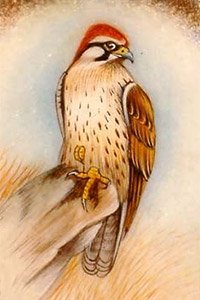
Shyanika-shastra (श्यैनिकशास्त्र, śyainikaśāstra) deals with ancient Indian skill of hawking/falconry (one of the ways of hunting) which were laid down in a systematic manner in various Sanskrit treatises. It also explains the philosophy behind how the pleasures derived from sense-experience could lead the way to liberation.
Languages of India and abroad
Marathi-English dictionary
aślīla (अश्लील).—a Indecent, obscene.
Marathi is an Indo-European language having over 70 million native speakers people in (predominantly) Maharashtra India. Marathi, like many other Indo-Aryan languages, evolved from early forms of Prakrit, which itself is a subset of Sanskrit, one of the most ancient languages of the world.
Sanskrit dictionary
Aślīla (अश्लील).—a. [na śriyaṃ lāti lā-ka,]
1) Unpleasant, ugly.
2) Vulgar, obscene, coarse; अश्लीलप्रायान् कलकलान् (aślīlaprāyān kalakalān) Dk. 49; °परिवाद (parivāda) Ill report; भास्करालोकनाश्लीलपरिवादादि वर्जयेत् (bhāskarālokanāślīlaparivādādi varjayet) Y.1.33.
3) Abusive.
-lam 1 Rustic or coarse language, low abuse.
2) (In Rhet.) A fault of composition; using such words as produce in the mind of the hearer a feeling of shame, disgust or inauspiciousness; त्रिधा अश्लीलम् (tridhā aślīlam); त्रिधेति-व्रीडाजुगुप्सा- मङ्गलव्यञ्जकत्वात् (tridheti-vrīḍājugupsā- maṅgalavyañjakatvāt) K. P.7; e. g. in साधनं सुमहद्यस्य (sādhanaṃ sumahadyasya); मुग्धा कुड्मलिताननेन दधती वायुं स्थिता तत्र सा (mugdhā kuḍmalitānanena dadhatī vāyuṃ sthitā tatra sā), and मृदुपवनविभिन्नो मत्प्रियाया विनाशात् (mṛdupavanavibhinno matpriyāyā vināśāt), the words साधन, वायु (sādhana, vāyu) and विनाश (vināśa) are अश्लील (aślīla), and produce respectively a sense of shame, disgust and inauspiciousness, साधन (sādhana) suggesting the sense of लिङ्ग (liṅga) (male organ of generation), वायु (vāyu) of the अपान (apāna) wind (that escaping at the anus), and विनाश (vināśa), of मृत्यु (mṛtyu) (death); cf. the instances under S. D. 574; दृप्तारिविजये राजन् साधनं सुमहत्तव । प्रससार शनैर्वायुर्विनाशे तन्वि ते तदा (dṛptārivijaye rājan sādhanaṃ sumahattava | prasasāra śanairvāyurvināśe tanvi te tadā) ||
Aślīla (अश्लील).—mfn.
(-laḥ-lā-laṃ) 1. Coarse, vulgar. 2. Abusive, blackguard. n.
(-laṃ) 1. Rustic language. 2. Untruth. 3. Low abuse. E. a neg. ślīla elegant.
Aślīla (अश्लील).—adj. 1. coarse, vulgar. 2. abusive. n. 1. rustic language. 2. untruth. 3. low abuse, [Daśakumāracarita] in
Aślīla is a Sanskrit compound consisting of the terms a and ślīla (श्लील).
1) Aślīla (अश्लील):—[=a-ślīla] [from a-śrī] a mfn. = a-śrīra, q. v, [Atharva-veda; Śatapatha-brāhmaṇa; Aitareya-brāhmaṇa]
2) [v.s. ...] (especially said of speech) coarse, vulgar, [Kāṭhaka; Pbr.; Mahābhārata] etc.
3) [v.s. ...] n. rustic language, low abuse, [Daśakumāra-carita; Sāhitya-darpaṇa etc.]
4) [=a-ślīla] [from a-ślika] b See, [ib.]
Aślīla (अश्लील):—[(laḥ-lā-laṃ) a. Idem.] (laṃ) 1. n. Rustic language.
Aślīla (अश्लील):—(jüngere Form von aśrīra) adj. unschön, hässlich [Atharvavedasaṃhitā 14, 1, 27] [?(v. l. zu Ṛgveda 10, 85, 30).] apyaślīlaṃ suvāsasaṃ didṛkṣante [The Śatapathabrāhmaṇa 3, 1, 2, 16.] apyaślīlasya śrotriyasya mukhaṃ vyeva jñāyate tṛptamiva [Aitareyabrāhmaṇa 1, 25.] nicht fein (von einer Rede) [Amarakoṣa 1, 1, 5, 19.] [Hemacandra’s Abhidhānacintāmaṇi 266.] aślīlaparivāda üble Nachrede [Yājñavalkya’s Gesetzbuch 1, 33.] aślīla [Pāṇini’s acht Bücher 6, 2, 42,] [Scholiast] aślīladṛḍharūpā ebend.
--- OR ---
Aślīla (अश्लील):—, nāman adj. [WEBER, Nakṣ. 2, 309.] vāc [Pañcaviṃśabrāhmaṇa 17, 5, 1.] nāślīlaṃ kīrtayet [Kāṭhaka-Recension 23, 6.] aślīla n. gemeine Rede [Daśakumāracarita] in [Benfey’ Chrestomathie aus Sanskritwerken 185, 23.] aślīla, tā, tva in der Rhetorik [Sāhityadarpana 574. 212,17. 213,1. 575. 221,16. 576. 227,10. 580.] [PRATĀPAR. 61,a. 65,b.] [Oxforder Handschriften 207,a,14.]
Aślīla (अश्लील):—Adj. (f. ā) unschön , hässlich , nicht fein , unanständig (Worte) [Vāmana’s Kāvyālaṃkāravṛtti 2,1,15.] Dazu Nom.abstr. tā f. und tva n.
Aślīla (अश्लील) in the Sanskrit language is related to the Prakrit word: Asalīla.
Sanskrit, also spelled संस्कृतम् (saṃskṛtam), is an ancient language of India commonly seen as the grandmother of the Indo-European language family (even English!). Closely allied with Prakrit and Pali, Sanskrit is more exhaustive in both grammar and terms and has the most extensive collection of literature in the world, greatly surpassing its sister-languages Greek and Latin.
Hindi dictionary
Aślīla (अश्लील) [Also spelled ashlil]:—(a) obscene; indecent, vulgar; ~[tā] obscenity, vulgarity.
...
Kannada-English dictionary
Aślīla (ಅಶ್ಲೀಲ):—
1) [adjective] not decent; not proper and fitting; unseemly; improper; indecent; morally offensive; obscene.
2) [adjective] inauspicious.
--- OR ---
Aślīla (ಅಶ್ಲೀಲ):—[noun] (rhet.) indecent, offensive or abhorrent language which is considered as a fault in literary work.
Kannada is a Dravidian language (as opposed to the Indo-European language family) mainly spoken in the southwestern region of India.
Nepali dictionary
Aślīla (अश्लील):—adj. indecent; vulgar;
Nepali is the primary language of the Nepalese people counting almost 20 million native speakers. The country of Nepal is situated in the Himalaya mountain range to the north of India.
See also (Relevant definitions)
Partial matches (+0): Shlila, A.
Starts with (+0): Ashliladridharupa, Ashlilanaman, Ashlilaparivada, Ashlilarupa, Ashlilasahitya, Ashlilata, Ashlilate, Ashlilatva.
Full-text (+0): Ashlilaparivada, Ashlilata, Ashlilatva, Ashlilasahitya, Shlila, Ashlil, Tridhashlila, Ashliladridharupa, Asalila, Nyanga, Jugupsa, Suvasas, Vrida, Amangalavyanjaka, Amangala, Tridha, Shabdadosha, Gramya.
Relevant text
Search found 13 books and stories containing Ashlila, A-shlila, A-ślīla, A-slila, Aślīla, Aslila; (plurals include: Ashlilas, shlilas, ślīlas, slilas, Aślīlas, Aslilas). You can also click to the full overview containing English textual excerpts. Below are direct links for the most relevant articles:
Dictionaries of Indian languages (Kosha)
Page 462 < [Hindi-Malayalam-English Volume 2]
Page 580 < [Hindi-Bengali-English Volume 1]
Page 396 < [English-Gujarati-Hindi (1 volume)]
Yajnavalkya-smriti with Mitakshara and Viramitrodaya (by J. R. Gharpure)
Verse 2.204 < [Chapter 18 - Of Abuse]
Verse 1.33 < [Chapter 2 - The Celibacy]
Verse 2.205 < [Chapter 18 - Of Abuse]
Sahitya-kaumudi by Baladeva Vidyabhushana (by Gaurapada Dāsa)
Text 7.11 < [Chapter 7 - Literary Faults]
Text 7.50 < [Chapter 7 - Literary Faults]
Text 7.124 < [Chapter 7 - Literary Faults]
Kathasaritsagara [Sanskrit/English] (by C. H. Tawney)
Verse 6.2.173 < [Chapter 2]
Alamkaras mentioned by Vamana (by Pratim Bhattacharya)
4: Content of the work (Kāvyālaṃkārasūtra-vṛtti) < [Chapter 1 - Introduction]
Agni Purana (by N. Gangadharan)