Ardhahasya, Ardhahāsya: 1 definition
Introduction:
Ardhahasya means something in Hinduism, Sanskrit. If you want to know the exact meaning, history, etymology or English translation of this term then check out the descriptions on this page. Add your comment or reference to a book if you want to contribute to this summary article.
In Hinduism
Natyashastra (theatrics and dramaturgy)
Source: Wisdom Library: Nāṭya-śāstraArdhahāsya (अर्धहास्य) refers to “smile” and represents an element of a siddhi (success) expressed vocally (vāṅmayī), according to the Nāṭyaśāstra chapter 27. It is also known as Ardhahāsa. The siddhis in a dramatic production (nāṭaka) arise from words, sattva and gestures and relate to the various bhāva (psychological states) and rasa (sentiments). They can be broadly divided into divine (daivikī) and human (mānuṣī) which are made up of sattvas expressed vocally or physically.
Accordingly, “when they (i.e. the actors) have a laughter not very clear, or words which do not directly cause laughter, the spectators are always to receive the same with a smile (ardhahāsya)”.
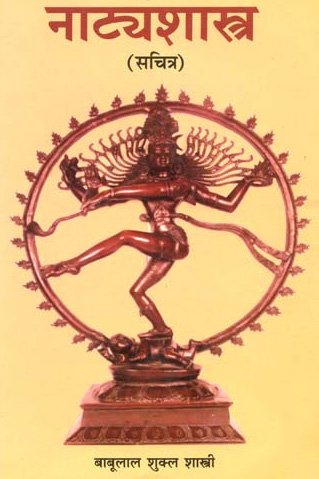
Natyashastra (नाट्यशास्त्र, nāṭyaśāstra) refers to both the ancient Indian tradition (shastra) of performing arts, (natya—theatrics, drama, dance, music), as well as the name of a Sanskrit work dealing with these subjects. It also teaches the rules for composing Dramatic plays (nataka), construction and performance of Theater, and Poetic works (kavya).
See also (Relevant definitions)
Full-text: Ardhahasa.
Relevant text
Search found 1 books and stories containing Ardhahasya, Ardhahāsya; (plurals include: Ardhahasyas, Ardhahāsyas). You can also click to the full overview containing English textual excerpts. Below are direct links for the most relevant articles: