Apagabbha, Apa-gabbha: 4 definitions
Introduction:
Apagabbha means something in Buddhism, Pali. If you want to know the exact meaning, history, etymology or English translation of this term then check out the descriptions on this page. Add your comment or reference to a book if you want to contribute to this summary article.
Languages of India and abroad
Pali-English dictionary
apagabbha : (adj.) (apa + gabbha) not destined to another rebirth; (a + pagabbha) not haughty.
Apagabbha, (adj.) (a + pa + gabbha) not entering another womb, i. e. not destined to another rebirth Vin.III, 3. (Page 50)
apagabbha (အပဂဗ္ဘ) [(pu) (ပု)]—
[apa+gabbha. rū.nhā-1va7. nīti,sutta.nhā-366-.]
[အပ+ဂဗ္ဘ။ ရူ။နှာ-၁ဝ၇။ နီတိ၊သုတ္တ။နှာ-၃၆၆-တို့ကြည့်။]
[Pali to Burmese]
apagabbha—
(Burmese text): (၁) ပဋိသန္ဓေနေခြင်းမှ ကင်းသော၊ သူ။ (က) နတ်ပြည်ပဋိသန္ဓေမှ ကင်းသော၊ သူ။ (ပုဏ္ဏားအလို)။ (ခ) နောင်အခါ အမိဝမ်း၌ ကိန်းခြင်းမှ ကင်းသော၊ သူ။ (ဘုရားအလို)။ (၂) ကဲ့ရဲ့အပ်-ယုတ်ညံ့-သော ပဋိသန္ဓေနေခြင်း ရှိလတ္တံ့သော၊ သူ။ (က) ယုတ်ညံ့သော (နတ်ပြည်ပဋိသန္ဓေမှ တစ်ပါးသော) ပဋိသန္ဓေရှိသော၊ သူ။ (ခ) ယုတ်ညံ့သော အမိဝမ်း၌ ပဋိသန္ဓေနေခဲ့ခြင်းရှိသော၊ သူ။ (၂-ခုလုံးပုဏ္ဏားအလိုချည်း။
(Auto-Translation): (1) The one who is free from ego. (a) The one who is free from the ego of the divine realm. (according to the Buddha). (b) The one who is free from the count in the mother's womb in the future. (according to the Buddha). (2) The one who possesses a distorted and weak ego. (a) The one who has a distorted ego distinct from the divine realm. (b) The one who has lived with a distorted ego in the mother's womb. (Both cases are according to the Buddha).
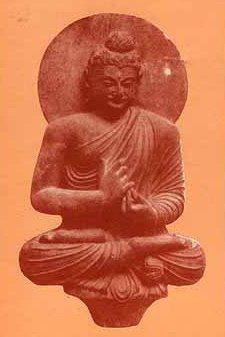
Pali is the language of the Tipiṭaka, which is the sacred canon of Theravāda Buddhism and contains much of the Buddha’s speech. Closeley related to Sanskrit, both languages are used interchangeably between religions.
See also (Relevant definitions)
Partial matches (+0): Gabbha, Apa.
Starts with (+0): Apagabbhata.
Full-text (+0): Apagabbhata, Pagabbha.
Relevant text
Search found 3 books and stories containing Apagabbha, Apa-gabbha; (plurals include: Apagabbhas, gabbhas). You can also click to the full overview containing English textual excerpts. Below are direct links for the most relevant articles:
Vinaya (2): The Mahavagga (by T. W. Rhys Davids)
Mahavagga, Khandaka 6, Chapter 31 < [Khandaka 6 - On Medicaments]
Maha Buddhavamsa—The Great Chronicle of Buddhas (by Ven. Mingun Sayadaw)
Vinaya Pitaka (1): Bhikkhu-vibhanga (the analysis of Monks’ rules) (by I. B. Horner)
Monks’ Expulsion (Pārājika) 1: The origin of the Vinaya < [Monks’ Expulsion (Pārājika) 1]