Anucarika, Anucārikā: 2 definitions
Introduction:
Anucarika means something in Hinduism, Sanskrit. If you want to know the exact meaning, history, etymology or English translation of this term then check out the descriptions on this page. Add your comment or reference to a book if you want to contribute to this summary article.
Alternative spellings of this word include Anucharika.
In Hinduism
Natyashastra (theatrics and dramaturgy)
Source: Wisdom Library: Nāṭya-śāstraAnucārikā (अनुचारिका) refers to “maids in constant attendance” and represents one of the classes of “women” (strī) who have dealings with the king, according to the Nāṭyaśāstra chapter 34. Accordingly, “women who do not under any condition leave the king, are maids in constant attendance (anucārikā)”.
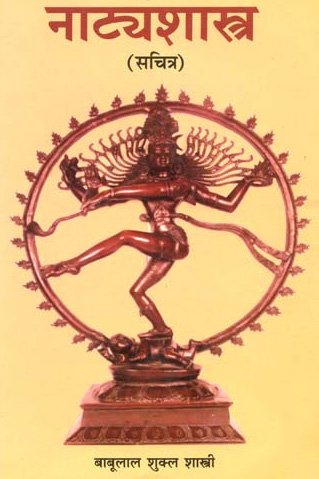
Natyashastra (नाट्यशास्त्र, nāṭyaśāstra) refers to both the ancient Indian tradition (shastra) of performing arts, (natya—theatrics, drama, dance, music), as well as the name of a Sanskrit work dealing with these subjects. It also teaches the rules for composing Dramatic plays (nataka), construction and performance of Theater, and Poetic works (kavya).
Languages of India and abroad
Sanskrit dictionary
Source: Cologne Digital Sanskrit Dictionaries: Monier-Williams Sanskrit-English DictionaryAnucārikā (अनुचारिका):—[=anu-cārikā] [from anu-cāraka > anu-car] f. a female follower or attendant.
Sanskrit, also spelled संस्कृतम् (saṃskṛtam), is an ancient language of India commonly seen as the grandmother of the Indo-European language family (even English!). Closely allied with Prakrit and Pali, Sanskrit is more exhaustive in both grammar and terms and has the most extensive collection of literature in the world, greatly surpassing its sister-languages Greek and Latin.
See also (Relevant definitions)
Full-text: Stri.
Relevant text
Search found 1 books and stories containing Anucarika, Anucārikā, Anu-carika, Anu-cārikā; (plurals include: Anucarikas, Anucārikās, carikas, cārikās). You can also click to the full overview containing English textual excerpts. Below are direct links for the most relevant articles: