Ampal, Ampāl, Āmpal: 3 definitions
Introduction:
Ampal means something in Hinduism, Sanskrit, biology, Tamil. If you want to know the exact meaning, history, etymology or English translation of this term then check out the descriptions on this page. Add your comment or reference to a book if you want to contribute to this summary article.
Images (photo gallery)



In Hinduism
Shilpashastra (iconography)
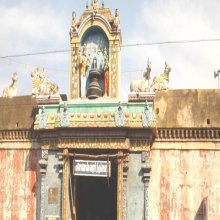
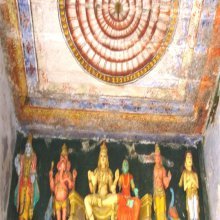
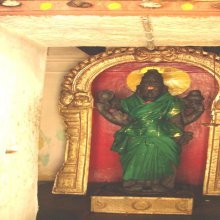
Ampāl is the name of a deity depicted in the Aruṇācaleśvar or Arunachaleswara Temple in Thiruvannamalai (Tiruvaṇṇāmalai) which is one of the Pañcasabhā or “five halls where Śiva is said to have danced”.—Ampāl is found standing to the left of Aruṇācaleśvar and Gaṅga. Ampāl holds kaṭaka in the left hand and dolā in the right hand
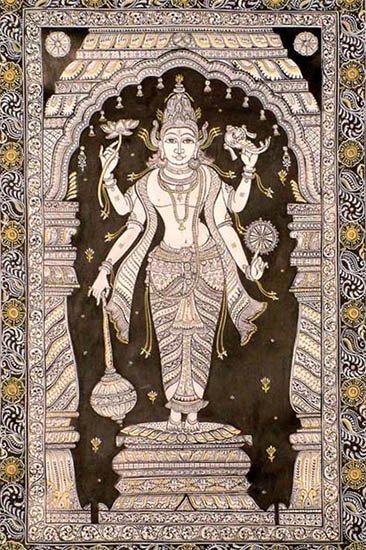
Shilpashastra (शिल्पशास्त्र, śilpaśāstra) represents the ancient Indian science (shastra) of creative arts (shilpa) such as sculpture, iconography and painting. Closely related to Vastushastra (architecture), they often share the same literature.
Biology (plants and animals)
1) Ampal in India is the name of a plant defined with Nymphaea capensis in various botanical sources. This page contains potential references in Ayurveda, modern medicine, and other folk traditions or local practices It has the synonym Nymphaea caerulea Andrews (among others).
2) Ampal is also identified with Nymphaea lotus It has the synonym Castalia mystica Salisb. (etc.).
3) Ampal is also identified with Nymphaea nouchali It has the synonym Nymphaea stellata Willdenow (etc.).
Example references for further research on medicinal uses or toxicity (see latin names for full list):
· Revue Horticole (1853)
· Regni Vegetabilis Systema Naturale (1821)
· Proceedings of the Indian Science Congress Association (1993)
· Kew Bulletin (1989)
· Mem. N.Y. Bot. Gard. (1953)
· Nymphaea lotus
If you are looking for specific details regarding Ampal, for example health benefits, extract dosage, diet and recipes, pregnancy safety, chemical composition, side effects, have a look at these references.
This sections includes definitions from the five kingdoms of living things: Animals, Plants, Fungi, Protists and Monera. It will include both the official binomial nomenclature (scientific names usually in Latin) as well as regional spellings and variants.
Languages of India and abroad
Tamil dictionary
Ampal (அம்பல்) noun
1. (Akapporul) Private talk between people concerning love intrigues of others, distinct from அலர்; சிலரறிந்து புறங்கூறு மொழி. [alar; silararinthu puranguru mozhi.] (தொல். பொ. [thol. po.] 225.)
2. Calumny; பழமொழிிச் சொல். (பிங்கலகண்டு) [pazhis sol. (pingalagandu)]
3. Condition of a flower about to blossom; பூ அலர்தற்குச் சிறிது முன்னுள்ள நிலை. [pu alartharkus sirithu munnulla nilai.] (இறையனாரகப் பொருள் [iraiyanaragap porul] 22, உரை. [urai.])
--- OR ---
Ampāl (அம்பால்) noun probably from அம் [am] + பால். [pal.] Garden; தோட்டம். [thottam.] (W.)
--- OR ---
Ampāl (அம்பால்) interjection cf. T. ambāl. 'Not ready!', a call in a boys' game; விளையாட்டில் பிள்ளைகள் தடைநிகழ்ந்த உபயோகிக்குஞ் சொல். [vilaiyattil pillaigal thadainigazhntha upayogikkugn sol.]
--- OR ---
Āmpal (ஆம்பல்) noun
1. [K. ābal, M. Travancore usage āmbal.] Water-lily, nymphaea lotus; அல்லி. (பிங்கலகண்டு) [alli. (pingalagandu)]
2. Musical pipe. See ஆம்பற்குழல். ஆம்பலந் தீங் குழற் றெள்விளி பயிற்ற [ambarkuzhal. ambalan thing kuzhar relvili payirra] (பத்துப்பாட்டு: குறிஞ்சிப்பாட்டு [pathuppattu: kurinchippattu] 222).
3. A melody-type played on a pipe; பண்வகை. [panvagai.] (சீவகசிந்தாமணி [sivagasindamani] 1314.)
4. Bamboo; மூங்கில். (பிங்கலகண்டு) [mungil. (pingalagandu)]
5. Blow-horn; ஊதுகொம்பு. (திவா.) [uthugombu. (thiva.)]
6. Elephant; யானை. ஆம்பன்முக வரக்கன் (கல்லாடம் கணபதிகாப்பு). [yanai. ambanmuga varakkan (kalladam kanapathigappu).]
7. Toddy; கள். (பிங்கலகண்டு) [kal. (pingalagandu)]
8. A very high number; ஒரு பே ரெண். [oru pe ren.] (தொல். எழுத். [thol. ezhuth.] 393.)
9. Affliction; துன்பம். (சூடாமணிநிகண்டு) [thunpam. (sudamaninigandu)]
10. Arrangement, order; அடைவு. (திவா.) [adaivu. (thiva.)]
11. Moon; சந்திரன். (அகராதி நிகண்டு) [santhiran. (agarathi nigandu)]
--- OR ---
Āmpal (ஆம்பல்) noun < āmla. ((சங்கத்தகராதி) தமிழ்சொல்லகராதி [(sangathagarathi) thamizhsollagarathi])
1. Emblic myrobalan; நெல்லி. [nelli.]
2. Yellow wood-sorrel; புளியாரை. [puliyarai.]
--- OR ---
Āmpal (ஆம்பல்) noun perhaps from அம்பல். [ambal.] Great noise; பேரொலி. (பொதிகை நிகண்டு) [peroli. (pothigai nigandu)]
Tamil is an ancient language of India from the Dravidian family spoken by roughly 250 million people mainly in southern India and Sri Lanka.
See also (Relevant definitions)
Starts with (+1): Ambala, Ampala-vana-kavirayar, Ampala-vanatecikar, Ampala-virutcam, Ampalaccavati, Ampalakaran, Ampalakkal, Ampalakkani, Ampalakkuttan, Ampalam, Ampalamaniyam, Ampalameru, Ampalanattan, Ampalattar, Ampalattati, Ampalatti, Ampalattoladi, Ampalavaci, Ampalavan, Ampalavanan.
Full-text (+16): Matiyampal, Neytalampal, Cevvampal, Unampal, Kallampal, Minampal, Nirambal, Ambal bumbal, Tui ambal, Mati-y-ampal, Nilambal, Kairavam, Cirrampal, Arakkampal, Periyampal, Iyampal, Omal, Vellambal, Kayiravam, Kulampal.
Relevant text
Search found 16 books and stories containing Ampal, Aambal, Ambaal, Ambal, Ampāl, Āmpal; (plurals include: Ampals, Aambals, Ambaals, Ambals, Ampāls, Āmpals). You can also click to the full overview containing English textual excerpts. Below are direct links for the most relevant articles:
Tirumantiram by Tirumular (English translation)
Verse 1408: Aum Sakti Described < [Tantra Four (nankam tantiram) (verses 884-1418)]
Dictionaries of Indian languages (Kosha)
Page 52 < [Tamil-English-Malayalam (1 volume)]
Page 82 < [Malayalam-English-Kannada (1 volume)]
Page 488 < [Kannada-English-Malayalam (1 volume)]
Later Chola Temples (by S. R. Balasubrahmanyam)
Temples in Appakkam < [Chapter X - Temples of Rajadhjraja II’s Time]
Annadatri-carita (study) (by Sarannya V.)
5. Uthiyan Cheralathan as a King < [Chapter 2 - Depiction of King Utiyan Ceralatan in History and Literature]
Indian Medicinal Plants (by Kanhoba Ranchoddas Kirtikar)
54. Nymphaea lotus, Linn. < [Nymphaeaceae (water lilies family)]
57. Nelumbium speciosum, Willd. (Nelumbo nucifera Gaertn.) < [Nymphaeaceae (water lilies family)]
Musical Instruments in Sanskrit Literature (by S. Karthick Raj KMoundinya)
Musical Instruments—Vina, Venu and Nadaswaram < [Chapter 2 - Origin and evolution of Music and Musical instruments]
Musical Instruments in Ancient Tamil Country < [Chapter 4 - A comparative study of the references to Musical Instruments]