Akampita, Ākampita: 22 definitions
Introduction:
Akampita means something in Hinduism, Sanskrit, Jainism, Prakrit, Buddhism, Pali. If you want to know the exact meaning, history, etymology or English translation of this term then check out the descriptions on this page. Add your comment or reference to a book if you want to contribute to this summary article.
In Hinduism
Natyashastra (theatrics and dramaturgy)
Ākampita (आकम्पित) refers to a specific ‘movement of the head’ (śiras), according to the Nāṭyaśāstra chapter 8. The head is one of the six major limbs (aṅga) used to perform certain gestures (āṅgika). These gestures form a part of the histrionic representation (abhinaya).
One of the Twenty-four Heads. Akampita: the same movement slowly. Usage: something in front, enquiry, instruction (upadeśa), one’s own opinion, narration.
Ākampita (आकम्पित).—One of the thirteen gestures of the head;—Instructions: Moving the head slowly up and down. Uses: The Ākampita head is to be applied in giving a hint, teaching questioning, addressing in an ordinary way (lit. naturally), and giving an order. (See the Nāṭyaśāstra 8-23)
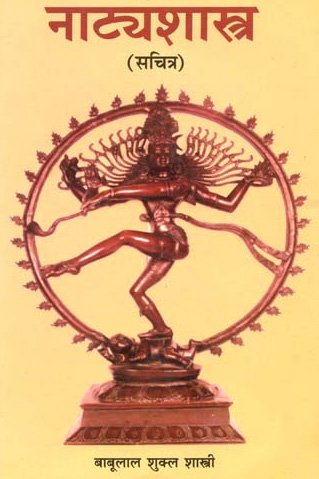
Natyashastra (नाट्यशास्त्र, nāṭyaśāstra) refers to both the ancient Indian tradition (shastra) of performing arts, (natya—theatrics, drama, dance, music), as well as the name of a Sanskrit work dealing with these subjects. It also teaches the rules for composing Dramatic plays (nataka), construction and performance of Theater, and Poetic works (kavya).
Vyakarana (Sanskrit grammar)
Akampita (अकम्पित).—Not shaken; tremulous: said with respect to vowels in Vedic utterance, kampa being looked upon as a fault of utterance., cf अकम्पितान् । कम्पनं नाम स्वराश्रितपाठदोषः प्रायेण दाक्षिणात्यानां भवति । तमुपलक्ष्य स वर्ज्यः। (akampitān | kampanaṃ nāma svarāśritapāṭhadoṣaḥ prāyeṇa dākṣiṇātyānāṃ bhavati | tamupalakṣya sa varjyaḥ|) R.Pr.III.31
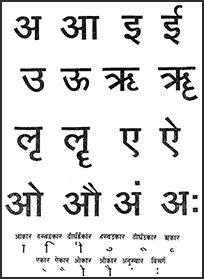
Vyakarana (व्याकरण, vyākaraṇa) refers to Sanskrit grammar and represents one of the six additional sciences (vedanga) to be studied along with the Vedas. Vyakarana concerns itself with the rules of Sanskrit grammar and linguistic analysis in order to establish the correct context of words and sentences.
In Jainism
General definition (in Jainism)
Ākampita (आकम्पित, “inducing”) refers to one of the ten flaws (or transmigressions) requiring prāyaścitta (‘expiation’). Prāyaścitta means ‘purification’ of from the flaws or transmigressions.
Ākampita is a Sanskrit technical term defined according to the Tattvārthasūtra (ancient authorative Jain scripture) from the 2nd century, which contains aphorisms dealing with philosophy and the nature of reality.
Akampita (अकम्पित) is the name of the eighth gaṇadhara (group-leader) of Mahāvīra.—A resident of Mithilā and a Brahmin of the Gautama-gotra, Akampita was the eighth gaṇadhara of the Lord. His mother’s name was Jayantī and his father’s name was Deva. The Lord cleared his doubt about hell and life in hell and he, along with his 300 disciples, took initiation into the Śramaṇa path. At that time, Akampita was 48 years old. After wandering as a mendicant for nine years, he attained pure knowledge at the age of 57. Being a kevalī for 21 years, and observing a fast for a month, he attained nirvāṇa during the Lord’s lifetime at Guṇaśīla-caitya at the age of 78.
All these gaṇadharas (for example, Akampita) were Brahmins by caste and Vedic scholars. After taking initiation, they all studied the 11 Aṅgas. Hence, all of them had the knowledge of the 14 pūrvas and possessed special attainments (labdhis).
Ākampita (आकम्पित).—What is meant by inducing (ākampita) flaw? To offer inducements to the preceptors (in the form of service or presenting implements like water pot or whisk etc) so as to have the duration of penance reduced.

Jainism is an Indian religion of Dharma whose doctrine revolves around harmlessness (ahimsa) towards every living being. The two major branches (Digambara and Svetambara) of Jainism stimulate self-control (or, shramana, ‘self-reliance’) and spiritual development through a path of peace for the soul to progess to the ultimate goal.
Languages of India and abroad
Pali-English dictionary
ākampita : (pp. of ākampeti) shaken; trembling.
Ākampita, (pp. of ākampeti, Caus. of ā + kamp) shaking, trembling Miln.154 (°hadaya). (Page 93)
akampita (အကမ္ပိတ) [(ti) (တိ)]—
[na+kampita]
[န+ကမ္ပိတ]
[Pali to Burmese]
akampita—
(Burmese text): (က) တုန်လှုပ်ခြင်း-မရှိသော-ကင်းသော၊ သည်။ (ခ) မတုန်လစေအပ်သော၊ သူ၊ သည်။ (ဂ) မတုန်လှုပ်သော-မတုန်လှုပ်စေနိုင်သော-တရား (နိဗ္ဗာန်)။
(Auto-Translation): (a) Movement-free-emptiness, is. (b) Non-moving, he, is. (c) Non-movable-non-causing-movement-ultimate reality (Nirvana).

Pali is the language of the Tipiṭaka, which is the sacred canon of Theravāda Buddhism and contains much of the Buddha’s speech. Closeley related to Sanskrit, both languages are used interchangeably between religions.
Sanskrit dictionary
Akampita (अकम्पित).—a. [na. ta.] Unshaken, firm, resolute; not tremulous; असंदिग्धान् स्वरान् व्रूयादविकृष्टानकम्पितान् (asaṃdigdhān svarān vrūyādavikṛṣṭānakampitān) | Rv. Pr.
-taḥ Name of a Jaina, or Buddhist saint, a pupil of the last Tīrthaṅkara (kampitaṃ buddhivṛtteścālanaṃ tannāsti yasya).
--- OR ---
Ākampita (आकम्पित).—a. Shaking, trembling; moved, agitated. अनोकहाकम्पितपुष्पगन्धी (anokahākampitapuṣpagandhī) R.2.13.
See also (synonyms): ākampra.
Akampita (अकम्पित).—m.
(-taḥ) The name of a Jaina saint, one of the pupils of the last Tirt'hankara. mfn.
(-taḥ-tā-taṃ) Firm, unshaken, not agitated or trembling. E. a priv. kapi to tremble; the participial affix kta. and iṭ inserted.
--- OR ---
Ākampita (आकम्पित).—mfn.
(-taḥ-tā-taṃ) Shaken, trembling. E. āṅ prefixed, kapi to shake, and kta participial aff.
Akampita (अकम्पित).—[adjective] not trembling, unshaken.
1) Akampita (अकम्पित):—[=a-kampita] mfn. unshaken, firm
2) [v.s. ...] m. Name of one of the 11 chief pupils (gaṇadhara or gaṇādhipa) of Mahāvīra (the last Tīrtha-kara).
3) Ākampita (आकम्पित):—[=ā-kampita] [from ā-kamp] mfn. caused to tremble, shaken, agitated, [Varāha-mihira’s Bṛhat-saṃhitā; Raghuvaṃśa ii, 13.]
Akampita (अकम्पित):—[tatpurusha compound] I. m. f. n.
(-taḥ-tā-tam) Unshaken, firm, not agitated or trembling. Ii. m.
(-taḥ) The name of a Jaina saint, one of the pupils of the last Tīrthakara and one of the eleven chiefs of the Gaṇas or companies of the Jaina Ṛṣis. E. a neg. and kampita.
1) Akampita (अकम्पित):—[a-kampita] (taḥ) 1. m. The name of a Jaina sage; a. Unshaken.
2) Ākampita (आकम्पित):—[ā-kampita] (taḥ-tā-taṃ) a. Shaken.
Akampita (अकम्पित):—(3. a + kampita part. praet. pass. von kamp)
1) adj. nicht zitternd, fest: asaṃdigdhāṃsvarānbrūyādavikṛṣṭānakampitān [Ṛgveda] [Prātiśākhya 3, 18.] —
2) m. Name eines der 11 gaṇādhipa’s bei den Jaina's, [Hemacandra’s Abhidhānacintāmaṇi 32.]
Akampita (अकम्पित):——
1) Adj. nicht zitternd , fest [111,26.] —
2) *m. Nomen proprium eines Gaṇādhipa bei den Jaina.
--- OR ---
Ākampita (आकम्पित):—n. das Erzittern.
Akampita (अकम्पित) in the Sanskrit language is related to the Prakrit words: Akaṃpiya, Ākhaṃpiya, Ākaṃpiya, Āyaṃpiya.
Sanskrit, also spelled संस्कृतम् (saṃskṛtam), is an ancient language of India commonly seen as the grandmother of the Indo-European language family (even English!). Closely allied with Prakrit and Pali, Sanskrit is more exhaustive in both grammar and terms and has the most extensive collection of literature in the world, greatly surpassing its sister-languages Greek and Latin.
Kannada-English dictionary
Akaṃpita (ಅಕಂಪಿತ):—[adjective] (either physically or mentally) not moving; not trembling; firm; resolute.
--- OR ---
Ākaṃpita (ಆಕಂಪಿತ):—
1) [noun] shaking; vibrating; quivering.
2) [noun] struck with fear.
3) [noun] (dance.) a moving of the head two times up and down as in questioning, imparting instructions, etc.
Kannada is a Dravidian language (as opposed to the Indo-European language family) mainly spoken in the southwestern region of India.
Nepali dictionary
Akampita (अकम्पित):—adj. still; steadfast; unshaken;
Nepali is the primary language of the Nepalese people counting almost 20 million native speakers. The country of Nepal is situated in the Himalaya mountain range to the north of India.
See also (Relevant definitions)
Partial matches (+0): Kampita, A, Na.
Starts with (+0): Akampitaciram, Akampitacitta, Akampitairiyapatha, Akampitamukam, Akampitasagara.
Full-text (+3): Akampitairiyapatha, Akampitacitta, Akampiya, Akampitaciram, Kamp, Akampitamukam, Akmpit, Akhampiya, Ayampiya, Akampa, Akampya, Kampita, Ankap, Akampra, Jayanti, Deva, Akamp, Twenty-four Heads, Mithila, Mukavapinayam.
Relevant text
Search found 16 books and stories containing Akampita, A-kampita, Ā-kampita, Ākampita, Akaṃpita, Ākaṃpita, Na-kampita; (plurals include: Akampitas, kampitas, Ākampitas, Akaṃpitas, Ākaṃpitas). You can also click to the full overview containing English textual excerpts. Below are direct links for the most relevant articles:
Kathasaritsagara [Sanskrit/English] (by C. H. Tawney)
Samyuta Nikaya (Linked Discourses)
Discourse 5.7: Upacālā-sutta < [5.1. Bhikkhunī-vagga: Nuns]
Shiva Purana [sanskrit/english]
Verse 4.35.115 < [Chapter 35]
Kohala in the Sanskrit textual tradition (Study) (by Padma Sugavanam)
Kohala and Nṛtya (10): The concept of Deśī Cārīs < [Chapter 2 - Kohala as seen in citations]
Part 2.2 - Contents of Dattilakohalīyam < [Chapter 4 - Works attributed to Kohala]
Manasollasa (study of Arts and Sciences) (by Mahadev Narayanrao Joshi)
7. Dance in Somesvara’s Manasollasa < [Chapter 4 - Fine arts in Manasollassa]
Natyashastra (English) (by Bharata-muni)