Ajjhavasati, Ajjhāvasati: 2 definitions
Introduction:
Ajjhavasati means something in Buddhism, Pali. If you want to know the exact meaning, history, etymology or English translation of this term then check out the descriptions on this page. Add your comment or reference to a book if you want to contribute to this summary article.
Languages of India and abroad
Pali-English dictionary
Source: BuddhaSasana: Concise Pali-English Dictionaryajjhāvasati : (adhi + ā + vas + a) inhabits; dwells; settles down.
Source: Sutta: The Pali Text Society's Pali-English DictionaryAjjhāvasati, (adhi + ā + vas) to inhabit (agāraṃ a house; i. e. to be settled or live the settled life of a householder) D.II, 16; M.I, 353; Vin.IV, 224; J.I, 50; Pug.57; Miln.348. — pp. ajjhāvuttha (q. v.). (Page 11)
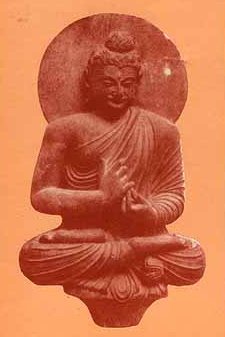
Pali is the language of the Tipiṭaka, which is the sacred canon of Theravāda Buddhism and contains much of the Buddha’s speech. Closeley related to Sanskrit, both languages are used interchangeably between religions.
See also (Relevant definitions)
Full-text: Ajjhavuttha, Ajjhavasi, Ajjhavasitva, Ajjhavasatar, Danda, Adhi, Utsada.
Relevant text
Search found 4 books and stories containing Ajjhavasati, Ajjhāvasati; (plurals include: Ajjhavasatis, Ajjhāvasatis). You can also click to the full overview containing English textual excerpts. Below are direct links for the most relevant articles:
Maha Prajnaparamita Sastra (by Gelongma Karma Migme Chödrön)
V. Body with marks and body without marks < [Part 3 - Possessing a body endowed with the marks]
Bihar and Eastern Uttar Pradesh (early history) (by Prakash Narayan)
Hanging Nations of Gohapati < [Chapter 2 - Economic and Urban Processes]
The Pattern of Landholding < [Chapter 2 - Economic and Urban Processes]
Vinaya Pitaka (1): Bhikkhu-vibhanga (the analysis of Monks’ rules) (by I. B. Horner)
Buddhist Monastic Discipline (by Jotiya Dhirasekera)