Abhishekavidhana, Abhiṣekavidhāna, Abhisheka-vidhana, Abhisekavidhāna: 3 definitions
Introduction:
Abhishekavidhana means something in Hinduism, Sanskrit, Buddhism, Pali. If you want to know the exact meaning, history, etymology or English translation of this term then check out the descriptions on this page. Add your comment or reference to a book if you want to contribute to this summary article.
The Sanskrit term Abhiṣekavidhāna can be transliterated into English as Abhisekavidhana or Abhishekavidhana, using the IAST transliteration scheme (?).
In Hinduism
Pancaratra (worship of Nārāyaṇa)
Abhiṣekavidhāna (अभिषेकविधान) (lit. “rules for the initiatory bath”) is the name of the tenth chapter of the Nāradīyasaṃhitā: a Pāñcarātra document comprising over 3000 verses in 30 chapters presenting in a narrative framework the teachings of Nārada to Gautama, dealing primarily with modes of worship and festivals.
Description of the chapter [abhiṣekavidhāna]: Gautama wants to hear details concerning the qualifying abhiṣeka-bath that admits an initiate to deśika-status (1): Nārada turns first to the general qualifications for any preceptor (2b-3a), and then, turning to what is the first of three types of abhiṣeka to be distinguished, notes that attention must be given to selecting an appropriate maṇḍala-design within which the abhiṣeka-activities will transpire. Then, a bhadrapīṭha-plank will be placed and surrounded by eight kalaśa-pots containing a variety of materials including water, sprouts, herbs, gems, etc. (3b-13). The candidates for ācārya-ship sits on the plank while the officiating priest utters mantras and pours libations over him. He notes that during the libations ladies in attendance sing lovely songs. It is only after this event—equivalent to a saṃskāra-sacrament—that one may properly be called a dīkṣita (14-16). Abhiṣeka, guru, ācārya, bhagavān, cakravartin, dīkṣita—these are titles that distinguish how many times one has undergone abhiṣeka (17-20).
Another type of abhiṣeka-rite requires only one pot to be used, at the conclusion of which bathing ceremony the candidate is given the symbols of his new office—an uṣṇīṣa-turban, a kaṭaka-anklet, mudrikā-emblem, a pustaka-book, a pair of sandals, a deer skin, a whisk, a sruk-spoon, sruva-ladle, an āsana and a pīṭha for seating purposes, an umbrella, and a yogapaṭṭaka-sash—along with a charge from his preceptor to pursue his duties (21-32). The initiate, in turn, honors this preceptor in all appropriate ways (33-37).
A third type of abhiṣeka-rite involves another, much larger pot [mahāghaṭa] (38-46). Such an abhiṣeka-rite should be done on the 12th or 15th day (of the fortnight?) under puṣya or rohiṇī asterisms, in time of war when a king is going forth to battle and wishes to gain victory, or it may be done to rectify a number of other defects among individuals or within society, etc. (47-53).
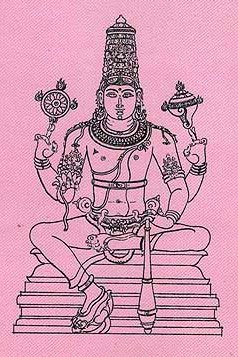
Pancaratra (पाञ्चरात्र, pāñcarātra) represents a tradition of Hinduism where Narayana is revered and worshipped. Closeley related to Vaishnavism, the Pancaratra literature includes various Agamas and tantras incorporating many Vaishnava philosophies.
Languages of India and abroad
Pali-English dictionary
abhisekavidhāna (အဘိသေကဝိဓာန) [(na) (န)]—
[abhiseka+vidhāna]
[အဘိသေက+ဝိဓာန]
[Pali to Burmese]
abhisekavidhāna—
(Burmese text): အဘိသိက်အစီအရင်။
(Auto-Translation): The abstract report.
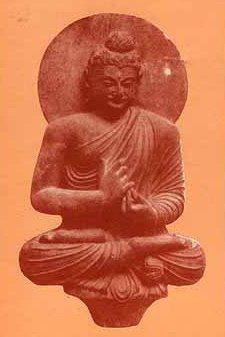
Pali is the language of the Tipiṭaka, which is the sacred canon of Theravāda Buddhism and contains much of the Buddha’s speech. Closeley related to Sanskrit, both languages are used interchangeably between religions.
See also (Relevant definitions)
Partial matches (+0): Abhisheka, Vidhana.
Full-text (+0): Abhisekavidhanavinicchaya, Sruk, Mudrika, Ushnisha, Sruva, Yoga-pattaka, Mahaghata, Samhri, Pustaka, Bhadrapitha, Kataka, Pitha, Asana, Abhisheka.
Relevant text
Search found 1 books and stories containing Abhishekavidhana, Abhiṣekavidhāna, Abhiṣeka-vidhāna, Abhisheka-vidhana, Abhisekavidhana, Abhiseka-vidhana, Abhisekavidhāna, Abhiseka-vidhāna; (plurals include: Abhishekavidhanas, Abhiṣekavidhānas, vidhānas, vidhanas, Abhisekavidhanas, Abhisekavidhānas). You can also click to the full overview containing English textual excerpts. Below are direct links for the most relevant articles:
A Descriptive Catalogue of the Sanskrit Manuscripts, Madras (by M. Seshagiri Sastri)
Page 178 < [Volume 22 (1918)]